Can Pets Improve Your Mental Health? Exploring the Human-Animal Bond
20 January 2026
Ever wondered why being around animals just feels... better? Whether you're a cat cuddler or a dog enthusiast, chances are, you've felt that warm, fuzzy feeling after spending time with your pet. But is it all in your head, or is there actual science behind the emotional lift we get from our furry (and sometimes feathery or scaly) friends?
Let’s dive into the psychology behind pet ownership and mental health. Together, we’ll unpack the intriguing relationship between humans and animals—and why your four-legged buddy might just be the best therapist you never paid.
The Psychology of Companionship: Why Animals Matter
Humans are wired for connection. We crave relationships, belonging, and love. So, when life gets tough—hello stress, loneliness, and anxiety—it’s no surprise that animals often step in as emotional life rafts.Think about it: pets don’t judge, interrupt, or ghost you. They just... show up, tail wags and all.
At its core, the human-animal bond is all about trust, loyalty, and unconditional affection. And it’s not just anecdotal; it’s backed by research. Studies show that pet owners often report lower levels of stress, depression, and loneliness. Why? Because animals provide emotional support just by being themselves.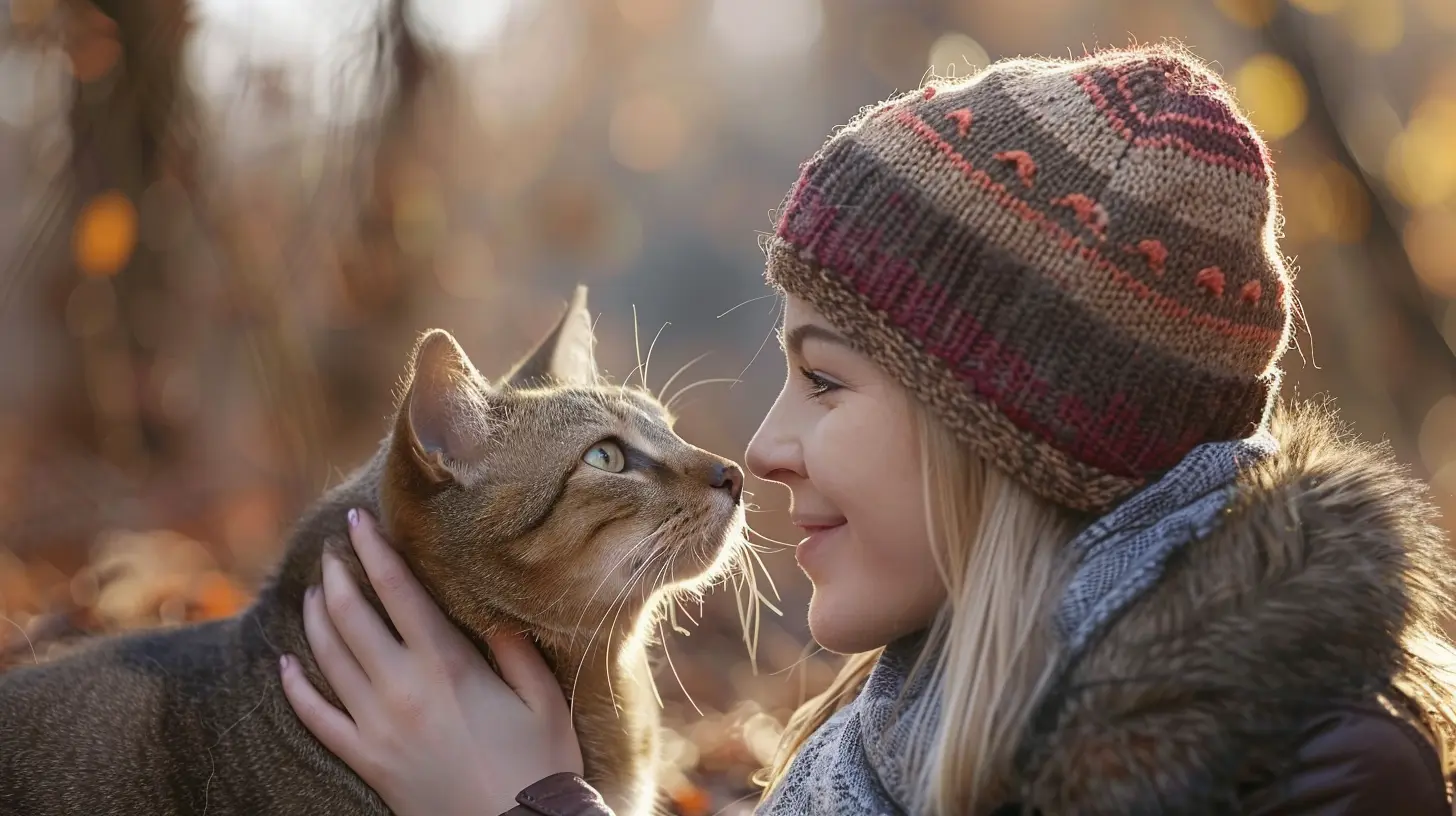
Emotional Support That Doesn’t Speak a Word
You know that comforting feeling when your dog curls beside you after a long day? Or when your cat snuggles into your lap like they know you're feeling low?That’s not coincidence—it's emotional attunement at work.
Animals can sense our moods. They don’t understand words the way humans do, but they pick up on tone, body language, and energy. This unique form of non-verbal communication can be incredibly powerful, especially for people who have difficulty connecting with others.
For individuals struggling with anxiety or depression, simply petting an animal can release oxytocin—a feel-good hormone that boosts mood and reduces stress.
It’s like a dose of calm... without needing a prescription.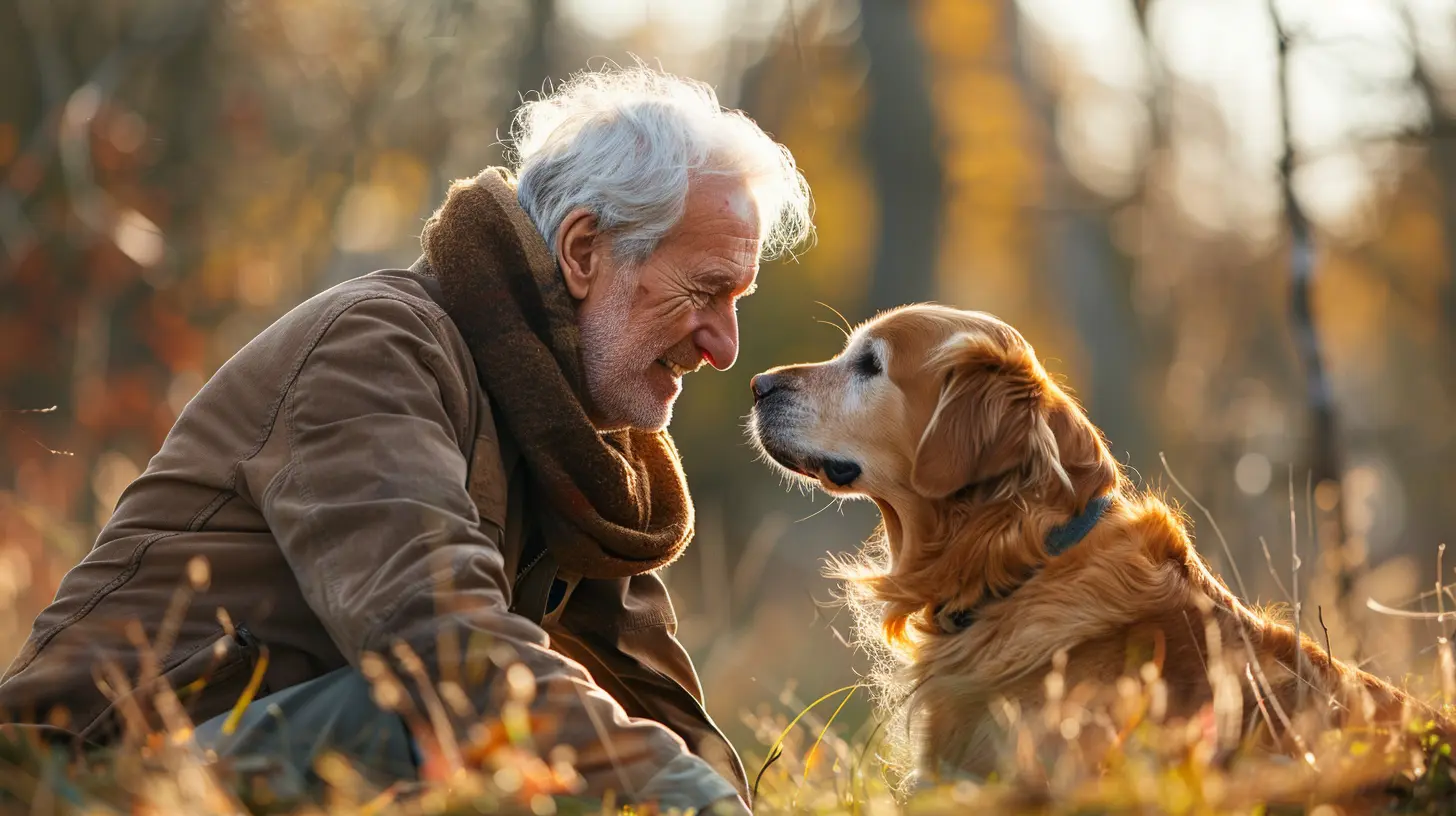
Physical Health and Mental Health Go Hand in Paw
Ever noticed how pet owners seem more active? That’s not just because dogs love walks—it’s because pets motivate us to move.Here’s the thing: physical health and mental health are deeply connected. Regular movement can improve your mood, reduce symptoms of anxiety and depression, and help regulate your sleep cycle.
If you own a dog, chances are you’ve already reaped the benefits of those early morning strolls or spontaneous games of fetch. But even non-active pets like cats, rabbits, or even fish play a role in lowering heart rate and reducing blood pressure through the simple act of observation and care.
Pets encourage routine, and routines keep us grounded. That alone can improve overall mental clarity and emotional stability. Pretty neat, right?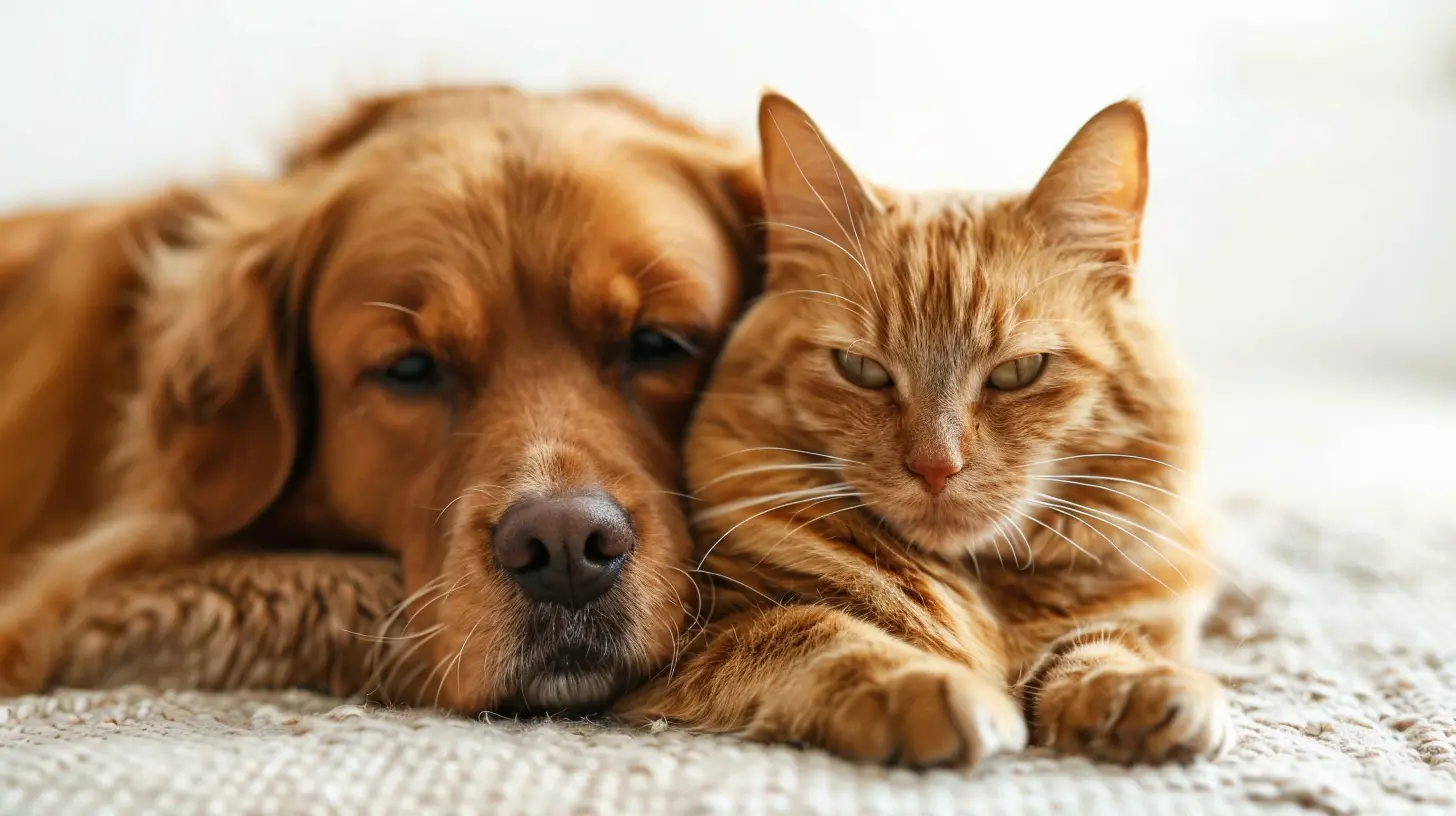
Pets as Natural Stress Relievers
Let’s be real—life is stressful. From work deadlines to family drama and the pressures of modern life, it's no wonder stress feels like a permanent houseguest.But here's where pets act like emotional ninjas.
Just being near them can lower cortisol (the stress hormone), reduce heart rate, and even make you feel less isolated. According to the American Psychological Association, interacting with pets can help people handle stress better than those without animal companions.
Ever feel like your pet just knows when you're upset? That’s the magic of intuitive presence. They’re not trying to fix your problems—they’re just there. And sometimes, that’s exactly what we need.
Pets and Loneliness: The Ultimate Antidote
Loneliness is one of the biggest contributors to declining mental health. In a hyper-connected world, it seems ironic that so many people feel isolated. But this is where pets shine.Whether you're living alone, far from family, or dealing with social anxiety, pets provide a consistent presence. They don’t care if you haven’t brushed your hair or if you’re in an emotional funk. They show up for you—every single day.
The simple act of caring for another living being creates emotional investment. Feeding, grooming, playing—it builds a bond that fosters purpose and attachment. And with purpose comes a deeper sense of wellbeing.
In short, pets make us feel needed. And sometimes, that’s enough to keep us going.
The Science Behind the Bond
Let’s get into some neurochemical magic, shall we?When you interact with a pet, your brain goes through a series of feel-good reactions:
- Oxytocin: Often called the "love hormone", it promotes trust and bonding.
- Serotonin and dopamine: These neurotransmitters regulate mood and boost happiness.
- Cortisol: This stress hormone decreases with positive human-animal interaction.
All of this adds up to one thing: spending time with pets can literally change your brain chemistry.
Science says so—and honestly, that tail wag or purr vibrating on your chest says it louder.
Dogs, Cats, and More: Which Animal is Best for Mental Health?
You might be thinking, “Okay, but does it matter which pet I have?”Great question.
While dogs and cats are the most popular emotional support animals, other pets can be just as impactful. What matters most is the connection—the bond you form.
Dogs:
Known for loyalty and energy. Great for active people and those who need motivation. Their enthusiasm is contagious, and they often form strong, protective bonds with their humans.Cats:
Independent but affectionate. Perfect for introverts or people who need low-maintenance companionship. That rhythmic purring? It’s like a built-in meditation soundtrack.Birds:
Chirpy and colorful, birds bring joy through sound and movement. They can be highly intelligent and interactive.Rabbits, Guinea Pigs, and Hamsters:
Cute, cuddly, and ideal for people in smaller living spaces. They respond to affection and can form meaningful connections.Fish:
Okay, hear me out. Watching fish swim has been proven to lower blood pressure and induce relaxation. They might not nuzzle you, but their calming presence is therapeutic.Pets and Children: Building Resilience Early On
Let’s not forget the little humans. Growing up with pets can teach children responsibility, empathy, and emotional regulation.Research shows that kids who grow up with animals often have improved self-esteem, better social skills, and lower levels of anxiety. Pets offer a safe space for expression—one that’s free of judgment.
Having a buddy by your side, especially during tough years like adolescence, can soften the blow of emotional stress and even prevent early onset depression or anxiety.
Pet Therapy and Emotional Support Animals
Now, let’s talk about formalized pet therapy.Animal-assisted therapy (AAT) is a legit mental health treatment strategy used in many clinical settings. Therapy animals—typically dogs—work alongside licensed therapists to support clients dealing with trauma, PTSD, grief, and even autism.
There are also Emotional Support Animals (ESAs)—not to be confused with service animals—that provide comfort simply by being present. While they don't have specific training, they help people with mental health conditions live more stable, balanced lives.
And the best part? You don’t need to be in therapy to benefit from this connection. Your own pet at home can offer similar support—no fancy title required.
Downsides and Real Talk: Is Pet Ownership Always a Good Idea?
Now hold up—before you go adopt a menagerie of animals, let’s get real for a sec.Pet ownership isn’t for everyone. It’s a commitment that involves time, money, energy, and responsibility. If you’re already stretched thin, adding a pet might cause more stress than relief.
Also, not all pets suit all lifestyles. Allergies, travel schedules, living arrangements—all of these matter.
The key is choosing an animal that aligns with your needs, energy levels, and environment. The goal is to improve your mental health, not create extra pressure.
Tips for Strengthening the Human-Animal Bond
If you already own a pet (or plan to), here’s how to deepen your connection for mutual mental health benefits:- Spend quality time. Play, cuddle, and talk to your pet.
- Maintain routines. Animals thrive on structure—and so do we.
- Pay attention to their needs. A healthy pet means a happier you.
- Touch matters. Petting, stroking, brushing—these tactile interactions go a long way.
- Be mindful. Focus on the moment when you're with your pet. It’s a built-in mindfulness practice.
Final Thoughts: Unleashing the Power of Pet Love
So, can pets improve your mental health?Absolutely. They offer a unique, wordless support system that taps into our most basic emotional needs. From reducing stress to increasing happiness and easing loneliness, pets serve as quiet healers in a loud, often chaotic world.
It’s not magic—it’s connection. And isn’t that what we all crave in the end?
So next time your dog greets you like a rockstar or your cat curls into your chest, soak it in. Your mental health just got a little boost—from a friend who speaks straight to your soul.
all images in this post were generated using AI tools
Category:
Mental HealthAuthor:

Nina Reilly
Discussion
rate this article
2 comments
Isabella Sanchez
Furry therapists: pawsitively good for the soul!
February 9, 2026 at 5:11 PM
Nina Reilly
Thank you! Furry companions truly have a remarkable way of lifting our spirits and enhancing our well-being.
Naomi McDaniel
This article sparks such curiosity! The connection between pets and mental well-being is fascinating. I’d love to hear more about specific studies and personal experiences that highlight this unique bond!
January 26, 2026 at 4:58 AM
Nina Reilly
Thank you for your comment! I’m glad you found the topic intriguing. I’ll make sure to include more studies and personal experiences in future pieces to further explore this unique bond.