Cultivating Gratitude: A Path to Improved Mental Health
27 April 2026
Let’s be real—life throws curveballs. Maybe your morning coffee spilled all over your white shirt, your favorite Netflix show got canceled, and your neighbor decided 6:00 AM was the perfect time to mow the lawn. It’s easy to get caught in a whirlwind of grumbles and sighs. But what if we told you there’s a kind of mental “superpower” that can shift your whole vibe? Yep, it’s called gratitude, and it has more mojo than you think.
In this post, we’re diving into how cultivating gratitude isn’t just some feel-good fluff—it’s a legit power-up for your mental health. So grab your cozy beverage of choice, and let’s chat about how you can turn those "meh" days into something a little brighter.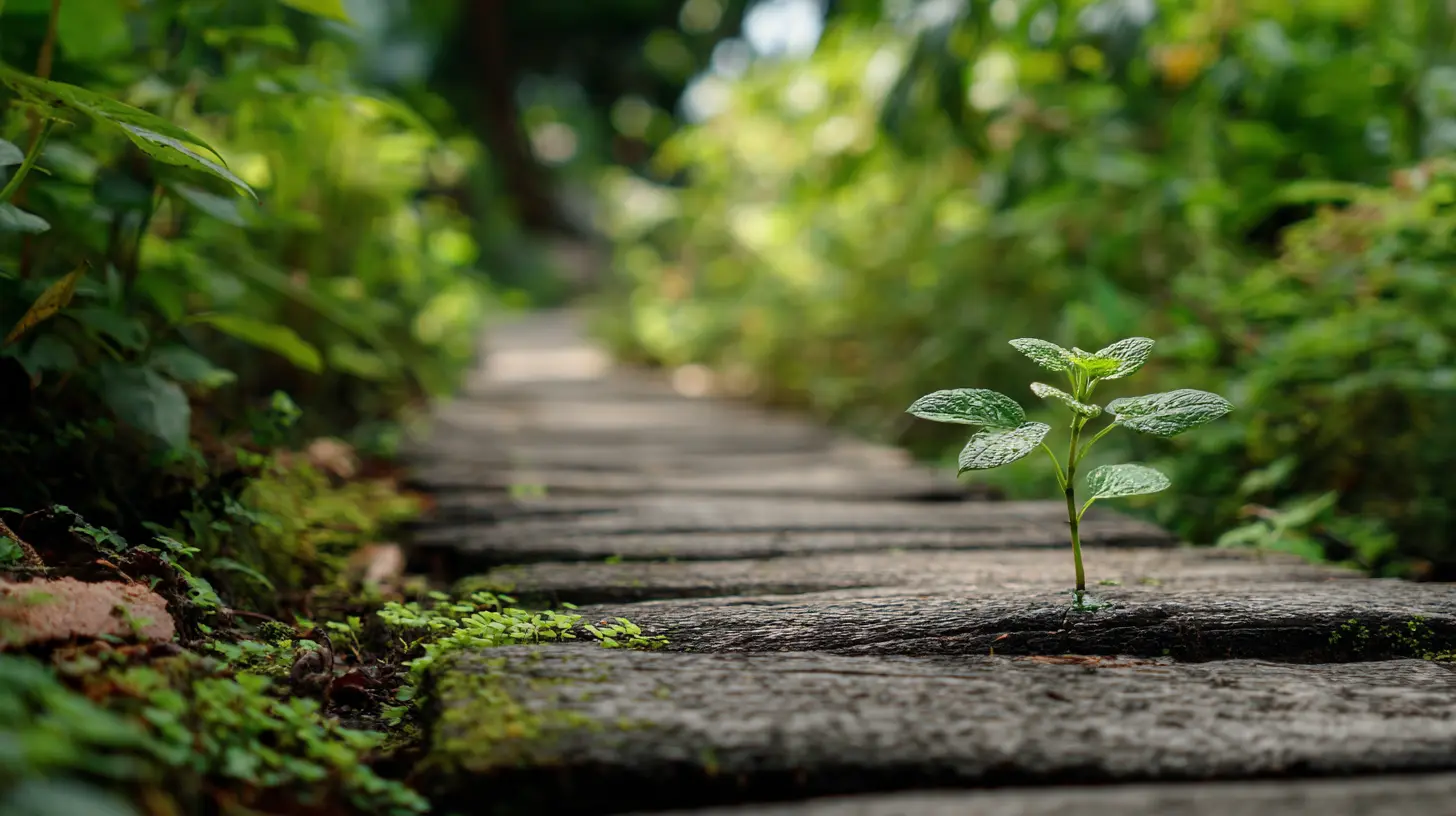
What Is Gratitude, Anyway?
Before we go chasing after it, let’s define it. Gratitude isn’t just saying “thank you” when someone lets you cut in line at Starbucks. It’s a deeper vibe, a mindset. It’s about recognizing and appreciating the good stuff in your life—even if it’s tiny like your dog wagging its tail when you walk through the door or catching green lights when you’re in a rush.Gratitude is consciously choosing to focus on the positive, even when life feels like a dumpster fire. Think of it as emotional recycling—turning your everyday “trash” into treasure.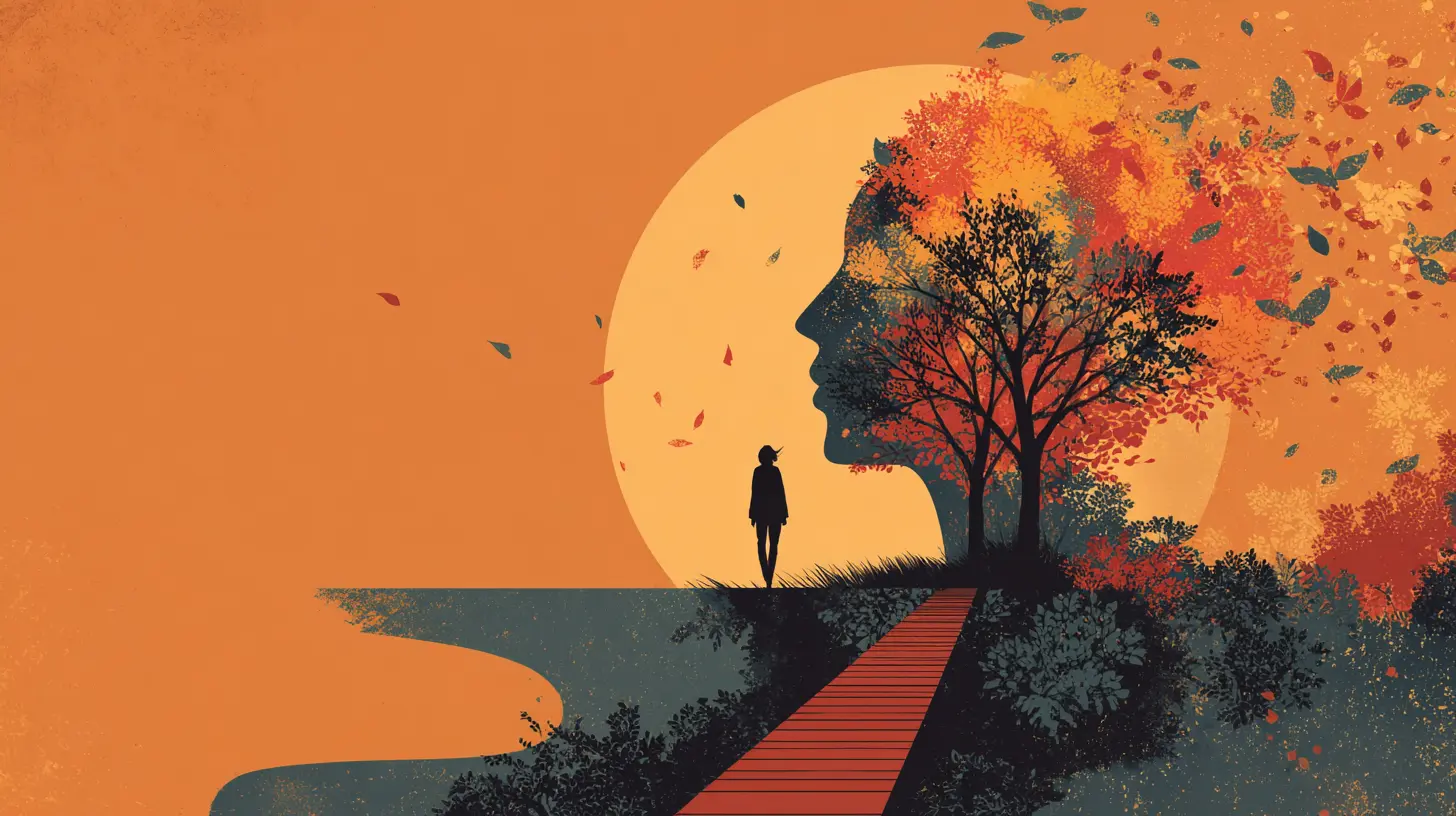
The Sciencey Side of Gratitude
Alright, let's geek out a little. Research in positive psychology (thanks to brilliant minds like Dr. Robert Emmons and Dr. Martin Seligman) shows that gratitude is like protein powder for your brain. It boosts serotonin and dopamine—aka your brain's happy chemicals. It also lowers cortisol, the stress hormone that loves to hang around like an uninvited guest.People who regularly practice gratitude report:
- Less depression and anxiety
- Better sleep
- Improved relationships
- Higher self-esteem
- And even stronger immune systems (who would've thought?)
Gratitude literally rewires your brain to scan for the good instead of the bad. It’s like turning on mental night vision and seeing all the hidden gems in your day.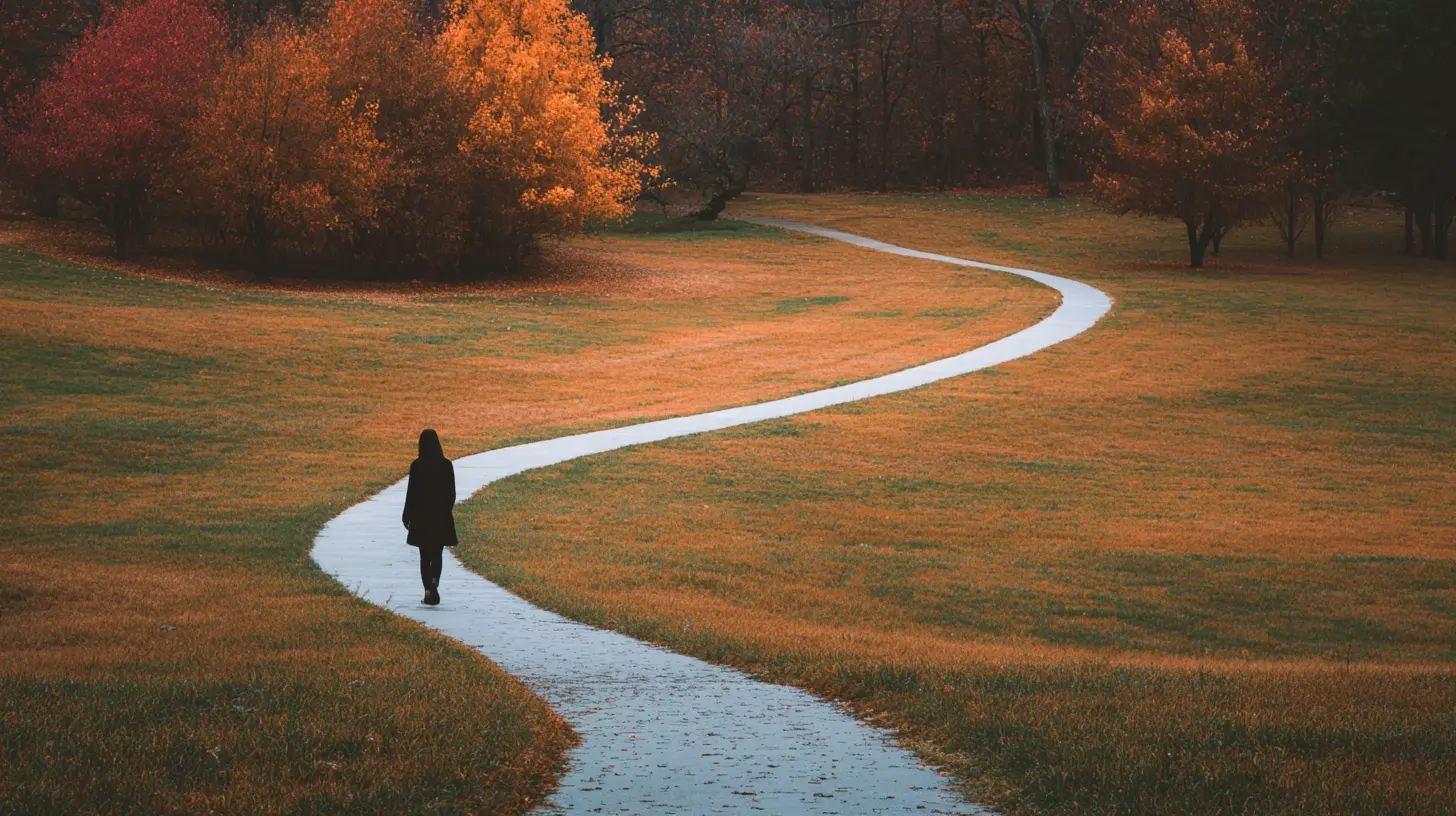
Why Gratitude Feels Like a Cheat Code for Mental Health
Imagine you’re playing a video game, and you find this secret tunnel that skips you past all the chaos and drops you into a sunny field full of puppies and free pizza. Gratitude = that tunnel.Okay, maybe not actual pizza, but it does make life feel lighter. Here’s why:
1. It Shifts Your Focus
Your brain’s default setting is negativity bias. Thanks, evolution. Our ancestors needed to remember which berries killed Bob. But in today’s world, this means we dwell more on criticism than compliments, mistakes over wins.Gratitude flips the switch. It trains your brain to notice the glimmers—the inside jokes, cozy blankets, a good hair day. This small shift creates massive waves in how you feel day-to-day.
2. It Deepens Relationships
Want to be instantly more lovable? Say “thank you” more. Show appreciation. Gratitude strengthens connections because everyone likes to feel seen and valued.When you express gratitude, it’s like giving someone a high-five to their soul. Beautiful, right?
3. It Anchors You in the Present
Ever spiral into “what-if” scenarios until your brain feels like a hamster on espresso? Gratitude brings you back to now. It nudges you to notice what’s already good, already working. It’s mindfulness with confetti.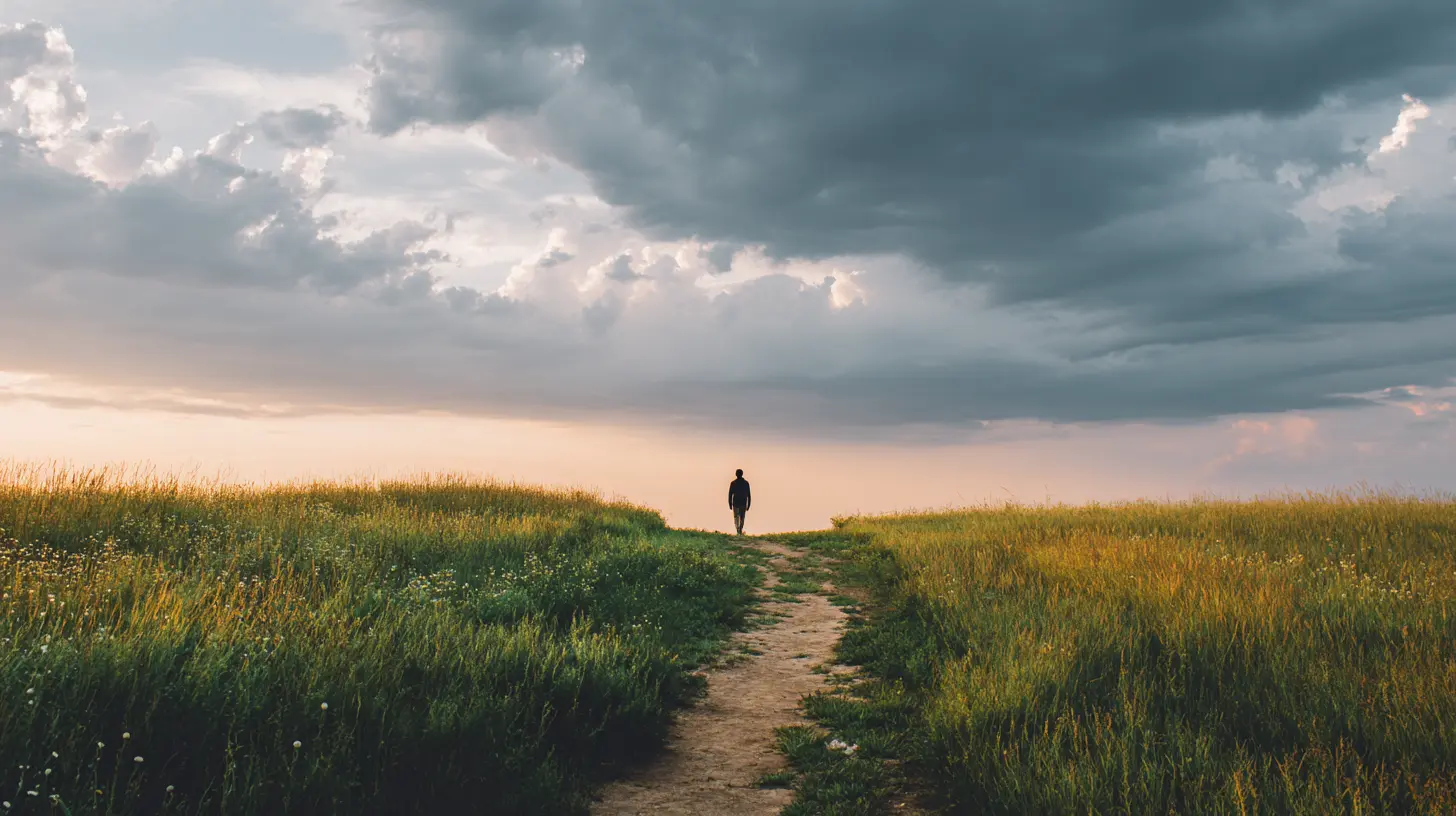
Common Obstacles to Gratitude (And How to Bulldoze Through Them)
Let’s not pretend it’s always easy. Gratitude doesn’t erase challenges. But it does change how you meet them.Here are a few roadblocks—and the hacks to blast past them.
✖︎ “I Have Nothing to Be Grateful For”
First off, that’s a lie. If you’re reading this, you’ve got functioning eyes, internet access, and (hopefully) a comfy chair. Boom—gratitude foundations!Start small. Be thankful for the socks that match (miracle), your first sip of coffee, or the way sunbeams hit your wall just right. Gratitude grows when you water it—even with drops.
✖︎ “I Don’t Have the Time”
Gratitude doesn’t require a vacation to Bali or a Pinterest-worthy journal spread. A simple mental list while brushing your teeth works just fine.Try this mini ritual: Before bed, think of three good things from your day. Could be as simple as finding a parking spot or hearing your favorite song. Easy. Done. Game changed.
✖︎ “It Feels Fake”
Totally get it. When you're in a funk, gratitude can feel forced, like trying to smile with spinach in your teeth. But here's the thing: your brain doesn't care at first. If you keep practicing gratitude, the feelings follow.It’s like going to the gym—awkward at first, but eventually, you feel stronger.
Fun Ways to Make Gratitude Stick (Without Boring Journals)
Not that we have anything against a good leather-bound journal, but gratitude doesn’t have to look like a Hallmark card.🎲 Play the “Gratitude Game”
Whenever something annoying happens, challenge yourself to find one good thing hiding in it.Example: Stuck in traffic? More time to crush that podcast episode. Rained on unexpectedly? At least your car got a rinse.
It’s silly, but it rewires your brain to spot silver linings like a trained detective.
📸 Make a Gratitude Photo Album
Start snapping pics of things you’re thankful for. Your dog’s goofy smile, your favorite mug, the post-rain sky. Collect them like Pokémon cards. When you're down, scroll through and boom—mini joy explosion.❤️ Send Surprise Gratitude Texts
Text someone and tell them why you appreciate them. Doesn’t have to be deep. “Hey, thanks for always sending me cat memes. You’re a vibe.” Watch how their reaction lifts your spirits.✨ Create a “Ta-Da” List
Forget the to-do list for a second. At the end of the day, write a “ta-da” list—everything that went right. Clean dishes? Ta-da! Didn’t cry during a Zoom meeting? Mega ta-da!Gratitude vs. Toxic Positivity
Let’s pause for a sec. Practicing gratitude doesn't mean pretending everything’s fine when it’s not. That’s toxic positivity, and it’s about as helpful as telling someone with a broken leg to “just walk it off.”Gratitude is honest. It says, “Yeah, today sucked—but that one coworker made me laugh, and I’m holding on to that."
It’s okay to feel big feelings and still look for the bright spots. One doesn’t cancel the other out.
A Quick Gratitude Practice You Can Start Today
Ready to dip your toes into the gratitude pool? Try this DIY practice:The 3x3 Method:
1. Write down 3 things you’re grateful for (seriously, right now).
2. Write down 3 people you appreciate—and why.
3. Write down 3 things you’re looking forward to (even if it’s just pancakes tomorrow).
Do this daily for a week, and see how your mental sky clears up. No unicorn magic—just you training your brain to tune into a happier frequency.
Final Thoughts: Gratitude Isn’t a Trend—It’s a Lifestyle
Here’s the quirky truth: gratitude isn’t reserved for yoga teachers or people with perfectly curated Instagram feeds. It's not about always being cheerful or never complaining. It's about balance, perspective, and giving the good moments the spotlight they deserve.Gratitude is like a mental greenhouse. When you plant those tiny thankful seeds, joy, resilience, and mental clarity start to grow. And even when life gets stormy (and it will), you’ll have your own inner garden to keep you grounded.
So next time life hands you lemons... say “thank you,” then make a delightfully weird gratitude smoothie.
Cheers to your mental health—and all the little things that make it brighter.
all images in this post were generated using AI tools
Category:
Mental HealthAuthor:

Nina Reilly
Discussion
rate this article
2 comments
Pia Morrow
While gratitude can enhance well-being, it's important to acknowledge that forced positivity may overlook deeper issues. True mental health requires a balance between gratitude and authentic emotional expression.
July 24, 2026 at 4:24 AM
Carrie Harper
In the garden of the mind, gratitude is the quiet rain. It softens harsh edges, grows resilience, and blooms a steadier peace within.
April 30, 2026 at 4:32 AM
Nina Reilly
Thank you for this beautiful imagery. Gratitude truly nourishes our inner landscape and fosters lasting peace.