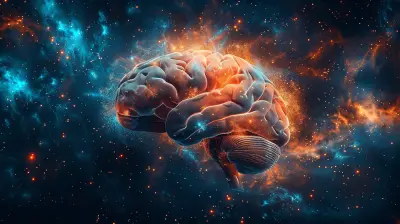
Fear and the Body: How Stress Manifests Physically
3 February 2026
Fear is one of the most powerful emotions we experience. It can protect us, warn us of danger, and even push us to take action. But what happens when fear lingers too long? What if it becomes a daily companion rather than an occasional warning signal?
When fear and stress become chronic, they don’t just stay in your mind—they take a toll on your body as well. Let’s dive into how fear manifests physically and what you can do to regain control of both your mind and body.

The Mind-Body Connection: Fear Isn’t Just “In Your Head”
Ever noticed how your heart races when you're scared? Or how your palms get sweaty before a big presentation? That’s your body's way of reacting to fear. It’s an ancient survival mechanism known as the fight-or-flight response—a system designed to keep you safe from danger.But here’s the catch: Your body doesn't know the difference between a real threat, like a wild animal chasing you, and a perceived one, like public speaking. Either way, it reacts the same way. And when fear becomes a constant presence in your life, your body starts paying the price.

How Fear and Stress Impact Your Body
Fear goes far beyond making your heart race. It weaves its way into every system of your body, often without you even realizing it. Let’s break it down:1. The Nervous System: Always on High Alert
When you're afraid, your brain signals the sympathetic nervous system, which controls your fight-or-flight response. It releases stress hormones like cortisol and adrenaline, preparing your body to react.But if you're in a constant state of fear, your nervous system never really “turns off.” You may feel jumpy, irritable, or exhausted because your body is always on edge, as if waiting for danger that never comes.
2. The Cardiovascular System: The Heart Feels It Too
Fear and stress increase your heart rate and blood pressure. Over time, this repetitive strain can contribute to heart disease, high blood pressure, and even irregular heartbeats.You might feel chest tightness, shortness of breath, or dizziness—all of which can be terrifying. The irony? These sensations can create more fear, fueling a vicious cycle of stress and anxiety.
3. The Muscular System: Tension You Can’t Shake
Ever find yourself clenching your jaw or carrying tension in your shoulders? Chronic fear keeps your muscles tight and stiff, leading to pain, tension headaches, and even migraines.Left unchecked, this tension can result in chronic pain conditions like fibromyalgia or tension-related back pain.
4. The Digestive System: Your Gut Feels the Stress
They don’t call it “gut instinct” for nothing. Your digestive system is closely linked to your emotions. Fear can cause nausea, stomach pain, bloating, or indigestion.In extreme cases, chronic stress can contribute to IBS (Irritable Bowel Syndrome), ulcers, or appetite changes—causing either overeating or a loss of appetite entirely.
5. The Immune System: More Stress, More Sickness
Living in a constant state of fear weakens your immune system. Your body stays in “survival mode,” diverting energy away from fighting infections.This leaves you more vulnerable to colds, viruses, and even chronic conditions like autoimmune diseases. Ever noticed that you're more likely to catch a cold after a particularly stressful week? That’s no coincidence.
6. The Skin: Stress Shows on Your Face
Breakouts, dryness, rashes—your skin is like a mirror reflecting your internal stress. Fear increases inflammation, which can trigger or worsen conditions like acne, eczema, and even premature aging.If you’ve ever had a stress breakout before a big event, you know exactly what this feels like!
Breaking Free: How to Calm Fear Before It Controls You
The good news? While fear and stress take a toll on your body, there are ways to hit the reset button. Here’s how you can shift from surviving to thriving:1. Breathe Like You Mean It
Deep breathing isn’t just a wellness trend—it’s science-backed. Slow, deep breaths activate your parasympathetic nervous system, which signals your body to relax.Try this:
- Inhale deeply for four seconds.
- Hold your breath for four seconds.
- Exhale slowly for six seconds.
Repeat this a few times, and you’ll notice an instant shift in how your body feels.
2. Get Moving (Even When You Don’t Feel Like It)
Exercise is one of the most powerful stress busters. Moving your body helps burn off excess stress hormones and releases endorphins, the body’s natural feel-good chemicals.You don’t need an intense workout—a simple walk, yoga, or dancing around your living room will do the trick!
3. Sleep: The Ultimate Reset
Chronic stress often leads to poor sleep, which makes everything feel worse. Prioritize rest by:- Sticking to a consistent sleep schedule
- Avoiding screens an hour before bed
- Creating a calming bedtime routine
A well-rested brain is far better at handling fear than a sleep-deprived one!
4. Challenge Your Thoughts
Not every fearful thought deserves attention. Sometimes, our minds trick us into believing worst-case scenarios that never happen.Ask yourself:
- Is this fear based on facts or assumptions?
- What’s the worst that could happen—and how likely is it?
- How have I handled fear before?
Challenging irrational fears takes time, but with practice, your perspective will shift.
5. Connect With Others
Fear thrives in isolation. Talking to a friend, therapist, or support group can help you process emotions and feel less alone.You don’t have to go through this alone—lean on people who uplift and support you.
6. Try Relaxation Techniques
Meditation, journaling, acupuncture, or even listening to calming music can help shift your nervous system from alert mode to relaxation.Find what works for you and make it a part of your daily routine.
Final Thoughts: Your Body Deserves Peace
Fear is natural, but living in a constant state of fear isn’t. When stress takes a toll on your body, it's a sign to slow down, take a breath, and prioritize your well-being.Your body isn’t working against you—it’s simply reacting to the signals you send it. By choosing relaxation, movement, and self-care, you can rewire your response to fear and reclaim your health.
It’s time to stop just surviving and start thriving. Because you deserve to live a life where your body feels safe, strong, and at peace.
all images in this post were generated using AI tools
Category:
Psychology Of FearAuthor:

Nina Reilly
Discussion
rate this article
2 comments
Maxwell McClure
Thank you for this insightful article on the connection between fear, stress, and physical manifestations. Your exploration of the body’s response to emotional stressors underscores the importance of addressing mental health for overall well-being. Looking forward to more discussions on this topic!
February 27, 2026 at 3:49 AM
Nina Reilly
Thank you for your kind words! I'm glad you found the article insightful. I look forward to sharing more discussions on this important topic!
Heidi Lewis
Understanding the profound connection between fear and our physical state is crucial. Acknowledging how stress manifests in the body empowers us to take proactive steps towards mental well-being. Let's prioritize holistic approaches to manage both our minds and bodies effectively.
February 7, 2026 at 3:58 AM
Nina Reilly
Absolutely. Recognizing the link between fear and physical reactions is key. By understanding this connection, we can better address our mental health and overall well-being. Holistic approaches truly make a difference.