Fear and Trust: How One Influences the Other
19 July 2026
Ever noticed how hard it is to trust someone when you're scared? Or how easily fear creeps in when trust is broken? It’s like fear and trust are dancing partners in the grand ballroom of our minds—when one steps forward, the other often steps back.
In this article, we’ll take a deep dive into the complex relationship between fear and trust. We'll look into how they shape our thoughts, behaviors, and relationships. Whether it's in love, friendship, work, or even self-trust, the tug-of-war between these two emotions affects us more than we realize.
Let’s peel back the layers of how fear and trust interact and why understanding this dynamic can change the way we see ourselves and others.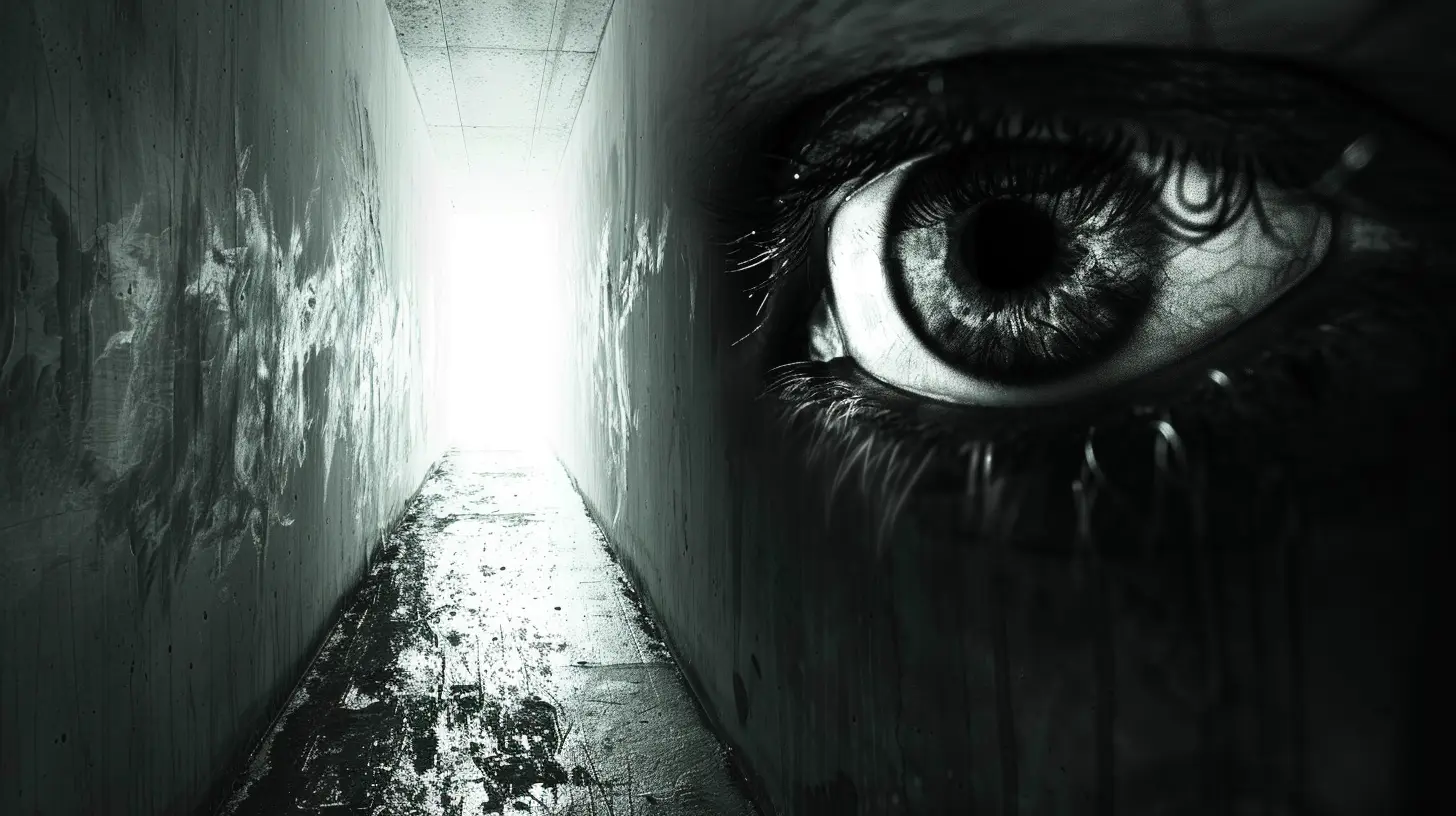
What Are Fear and Trust, Really?
Before we dive deep, let’s break it down.Fear is an emotional response to a perceived threat. It’s your brain saying, "Hey! This might hurt!" Whether it's physical harm, emotional pain, or even embarrassment, fear gets triggered when your mind tries to protect you.
Trust, on the other hand, is confidence in something or someone. It’s sort of like a mental safety net. It allows you to be vulnerable, to rely on others, and to believe that things will turn out okay.
Now here's the kicker—both fear and trust live in your brain, and more often than not, they’re sitting on opposite ends of a see-saw.
The Brain Chemistry Behind Fear and Trust
Alright, time to get a little nerdy—but stay with me.Fear triggers the amygdala, the part of the brain responsible for detecting danger. It fires up when you hear a strange noise at night or when you're about to confront someone.
Trust, however, involves different circuits—mainly the prefrontal cortex and a hormone called oxytocin (sometimes called the “love hormone”). Oxytocin gets released when we connect with people—like hugging a friend or bonding with a pet.
So, when fear takes the wheel, your brain is less likely to access the parts that lead to trust. That’s why it’s so hard to trust when you feel threatened. It’s not just emotional—it’s biological.
Why Fear Cripples Trust
Imagine this: You’re walking across a rope bridge. You’re scared, your palms are sweaty, and your heart’s racing. Now someone says, “Don’t worry, I’ve got you.”Can you trust them?
Probably not. Your fear is screaming louder than their reassurance.
Fear has a way of putting us into “survival mode.” In that state, trusting someone—or something—feels risky. Our brain wants to protect us, so it leans into doubt instead.
That’s why people who've been hurt before (whether in relationships, at work, or during childhood) often struggle to trust again. Their fear of getting hurt overrides their desire to connect or believe.
But Can Trust Beat Fear?
Here’s the good news: Yes, trust can absolutely overcome fear—but it takes time, consistency, and a whole lot of patience.Think of trust as a muscle. The more you use it, the stronger it gets. But if you’ve experienced betrayal, rejection, or trauma, that muscle gets weak. And rebuilding it? That requires intentional effort.
When someone repeatedly shows up for you, listens, supports you, or respects your boundaries, your brain slowly starts to relax. Oxytocin starts flowing. The amygdala chills out. You start to believe again.
In short, trust doesn’t erase fear—it helps us manage it.
How Fear and Trust Play Out in Relationships
Relationships are ground zero for the fear-trust dynamic.Let’s break it down:
Romantic Relationships
Ever been in a relationship where jealousy creeps in, even when there's no reason? That's your fear talking. Maybe you've been burned before, and now your brain keeps scanning for red flags—real or imagined.Developing trust in a romantic relationship takes vulnerability. It means opening your heart, even if you’ve been hurt before—which, let’s be honest, can be terrifying.
But the more your partner shows you consistency, empathy, and respect, the more your brain will allow trust to take root.
Friendships
Fear in friendships often looks like holding back, being guarded, or keeping secrets. Maybe you've had a friend betray your confidence before—so now, you're cautious.Healthy friendships are built on mutual trust, and that trust grows when both people feel emotionally safe. That means no shame, no judgment, and no fear of abandonment.
Workplace Trust
Fear in the workplace kills creativity. If you don’t trust your boss or coworkers, you won’t take risks. You’ll play it safe. That’s bad for innovation and productivity.Great leaders create environments where trust thrives—not because they eliminate fear, but because they make it safe to speak up, fail, and grow.
The Vicious Cycle: Trust Issues and Anxiety
Here’s something not many people talk about: Unresolved fear can lead to anxiety, and anxiety often creates trust issues.An anxious mind is always bracing for impact. It expects failure, betrayal, or disaster. That makes trusting others (or yourself) feel risky.
And when trust is low, fear takes over. You doubt your decisions, second-guess your instincts, and often isolate yourself—further increasing your anxiety.
It’s a self-feeding loop, and breaking it requires both understanding and action.
How to Build Trust (Even When You’re Scared)
Okay, so we’ve talked about how fear wrecks trust. But how do you rebuild it?Here are some real-world steps you can take:
1. Acknowledge Your Fear
Don’t pretend it’s not there. Say it out loud: “I’m scared of being hurt again.” Naming your fear reduces its power.2. Start Small
Don’t go diving into full-blown vulnerability. Dip your toe in. Share something small. Notice how the other person responds.3. Look for Consistency
Trust isn’t built on grand gestures—it’s built on showing up. Again and again. People earn our trust not by being perfect, but by being reliable.4. Communicate Honestly
If you’re feeling scared, say so. A good friend, partner, or coworker will appreciate your honesty—and usually respond with empathy.5. Practice Self-Trust
This one’s huge. If you can’t trust yourself, it’s tough to trust others. Start making small promises to yourself—and keep them. That builds internal safety.Self-Trust: The Foundation You Didn't Know You Needed
Let’s talk a little more about self-trust—because it’s the bedrock of all trust.When you trust yourself, fear doesn’t vanish, but it loses control. You start believing that no matter what happens, you’ll handle it. That’s powerful.
Self-trust means:
- Respecting your boundaries
- Saying no when something doesn’t feel right
- Listening to your gut
- Forgiving yourself when you mess up
When you treat yourself with that kind of respect and trust, your fear response starts to ease. You’re less reactive, more grounded, and more open to trusting others.
Can You Trust and Be Afraid at the Same Time?
Short answer: Yes. In fact, real trust often coexists with fear.Think about jumping into a new job, starting therapy, or telling someone you love them. There’s fear there—but there’s trust too. You trust that it’s worth the risk.
Courage isn’t the absence of fear. It’s acting in spite of it.
And trust? Trust is a form of courage.
Final Thoughts
Fear and trust are both part of being human. They’re not enemies—they're more like balancing weights on a scale. Too much fear, and trust struggles to survive. But the right amount of trust can silence fear’s loudest alarms.It's not about eliminating fear—it’s about learning to lean into trust even when you’re afraid.
So if you find yourself pulling away when things get too close, or doubting when someone reaches out—pause. Ask yourself: Is this fear talking? Or am I ready to trust—not blindly, but bravely?
The more we understand this dance between fear and trust, the better we get at choosing connection over protection. And that’s a life worth leaning into.
all images in this post were generated using AI tools
Category:
Psychology Of FearAuthor:

Nina Reilly