Freud's Seduction Theory: Controversy and Revision
21 April 2026
If you've ever taken a deep dive into the world of psychology, you've probably come across the name Sigmund Freud. Love him or hate him, his theories reshaped how we think about the mind. But there's one theory of his that caused waves—both back in the day and still today. It’s called the Seduction Theory, and trust me, it’s as complex and controversial as it sounds.
So, let’s break it down. What was Freud's Seduction Theory all about? Why did he later revise it? And what does all of this say about how we understand trauma, memory, and the human psyche?
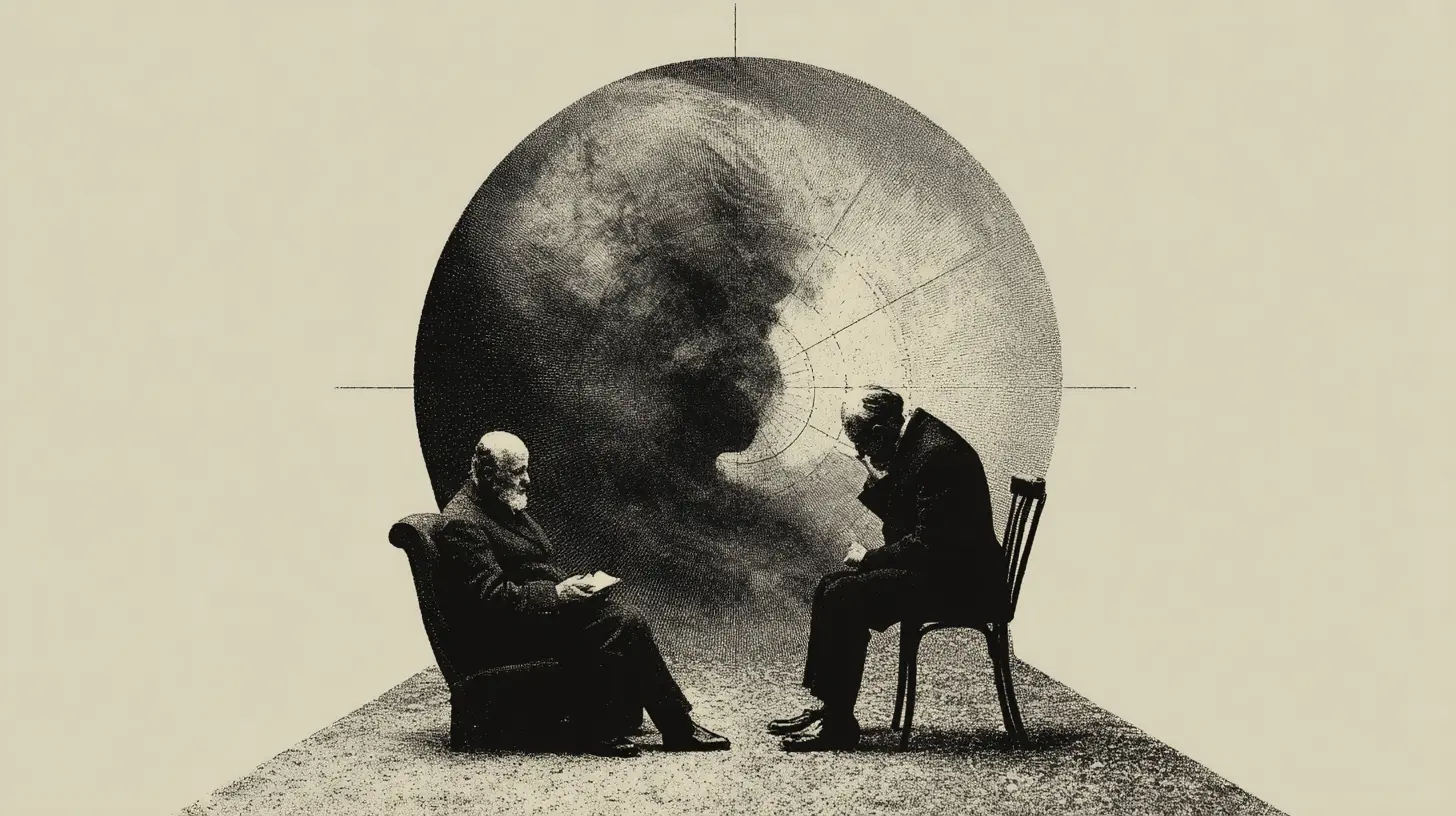
What Exactly Was Freud's Seduction Theory?
Alright, let’s go back to the late 1800s. Freud, still early in his career and practicing as a neurologist in Vienna, was seeing patients with what he called "hysteria"—a catch-all term back then for a wide range of psychological issues.Now, these patients—mostly women—shared something striking in common: they described traumatic memories from childhood involving sexual abuse or inappropriate advances. Freud noticed a pattern and made a bold claim. He theorized that childhood sexual abuse (or "seduction") was at the root of many neurotic symptoms in adulthood.
In other words, he believed many mental health struggles stemmed from real-life sexual violations during early development.
Sounds pretty progressive for the 1890s, doesn’t it?

Why It Was Groundbreaking... and Risky
At a time when polite society rarely even whispered the word "sex," Freud’s theory was explosive. To say that well-bred Victorian families were sexually abusing their children? That was social and scientific dynamite.On one hand, Freud was giving a voice to deeply disturbing experiences that had long been dismissed or ignored. He was essentially telling women, “I believe you.”
But here’s where things get messy.
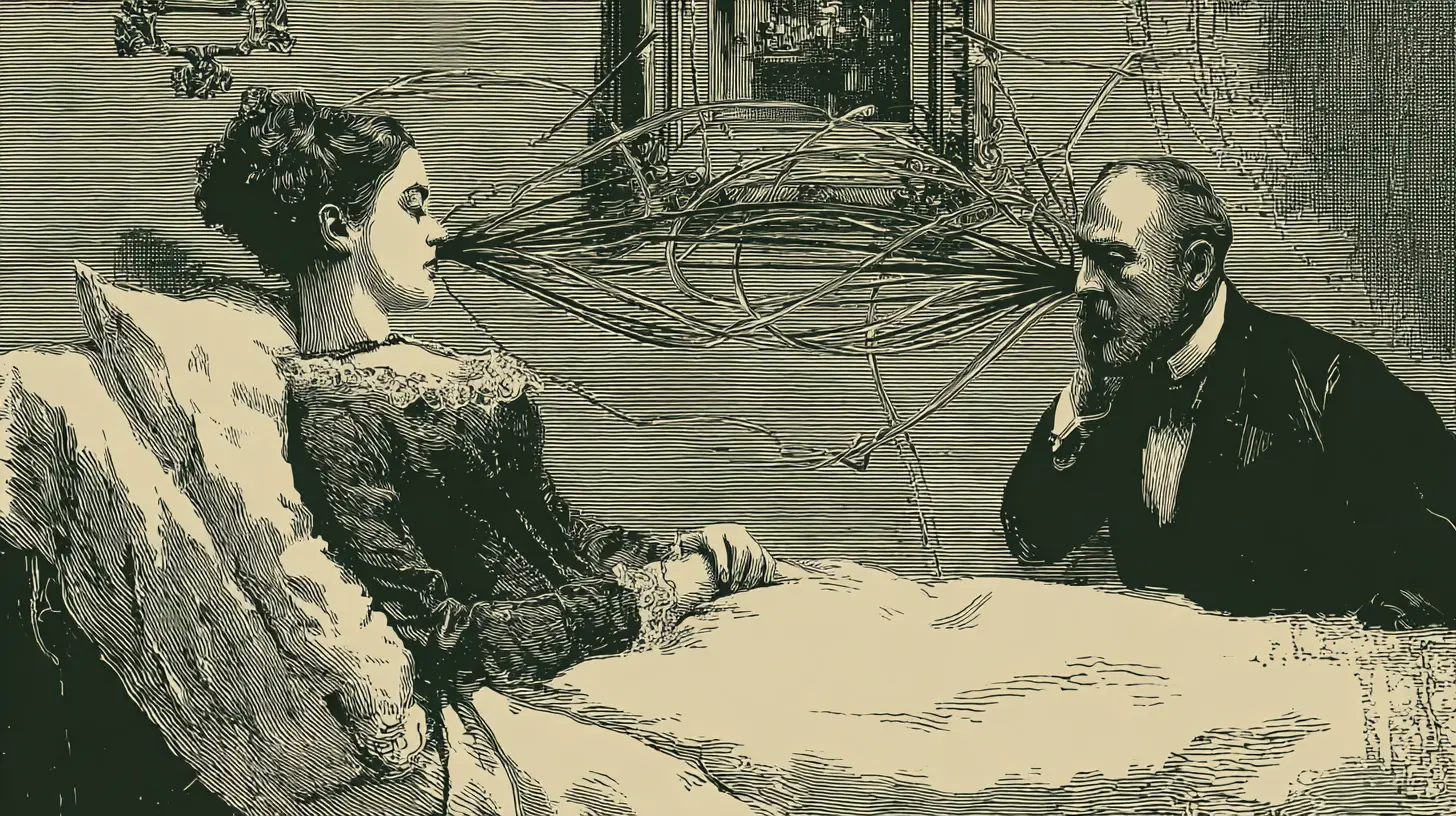
The Big Revision: From Reality to Fantasy
Just a few years after proposing the Seduction Theory, Freud seemed to pull a 180. He publicly recanted it. Instead of focusing on actual abuse, he introduced one of his most iconic (and controversial) ideas: the Oedipus Complex.Freud now argued that these so-called “memories” of seduction weren’t necessarily real. According to him, they were unconscious fantasies—products of repressed sexual desires in early childhood. He suggested that many of these "memories" were symbolic or wish-fulfilling, not actual events.
In other words, many patients weren't recalling real abuse—they were generating imagined scenarios born from internal conflict.
This shift wasn't just a small tweak. It rewrote the script for how psychoanalysis approached trauma, memory, and sexuality.
What happened? Did Freud cave under pressure? Did new evidence really change his mind? Or did he just realize the serious implications of accusing parents—often wealthy and respectable—of incest?
Let’s dig in.

Why Did Freud Change His Mind?
Freud gave several reasons for his dramatic reversal, but critics have debated them ever since. Here are a few possibilities:1. Lack of Concrete Evidence
Freud admitted that he couldn’t verify many of the abuse claims. He began to doubt whether the seduction events actually happened. Without clear proof, he feared his theory would collapse.2. Social Backlash
There’s no denying Freud faced enormous societal pressure. Accusing upper-class men of sexually abusing their daughters? Yeah, not exactly going to win you friends—or professional allies.A lot of historians believe Freud abandoned the Seduction Theory because it threatened to burn bridges he couldn’t afford to lose.
3. Theoretical Evolution
Let’s give him a little credit, though. Freud was deeply invested in developing a comprehensive theory of the unconscious. The idea that fantasies—not just real-life events—could shape our inner world helped lay the groundwork for much of psychoanalysis.So maybe he wasn’t just backing down. Maybe he was expanding his lens.
4. Internal Conflict
Some argue Freud may have had personal reasons for abandoning the theory. Could his own biases, discomfort, or buried memories have influenced his pivot? Hard to say, but it certainly adds some psychological intrigue to the story.The Backlash and Ongoing Debate
Freud’s recantation didn’t go down easy—then or now. Critics have slammed him for “covering up” the realities of sexual abuse. In their eyes, he traded truth for theoretical elegance.Enter Jeffrey Masson
In the 1980s, writer and former Freud archivist Jeffrey Masson blew the lid off the controversy. He argued that Freud knew the abuse was real but abandoned the Seduction Theory to avoid scandal. Masson’s book, The Assault on Truth, reignited public interest and cast a long shadow over Freud’s legacy.His central claim? Freud had basically engaged in a scientific betrayal—choosing reputation and theory over the painful truths his patients shared.
Big accusation, right?
And Then There’s Modern Psychology
Today, we know that childhood sexual abuse is tragically real and alarmingly common. But we also understand that memory—especially traumatic memory—is incredibly complex.Sometimes people forget real trauma. Sometimes they remember things that didn’t happen. And sometimes, the line between reality and fantasy is blurrier than we’d like to admit.
That’s why Freud’s original and revised theories both carry weight—and both deserve scrutiny.
Freud’s Legacy: Genius with a Grain of Salt
Let’s be honest—Freud was a genius. But he wasn’t infallible. Like any scientist, he was working with the tools and knowledge of his time.Was he right that fantasy plays a huge role in shaping our minds? Absolutely.
Was he wrong to dismiss real-life abuse as merely imagined? In many cases, yes.
It’s not either/or. It’s both/and.
Freud opened the door to talking about things society wanted to bury—be it sex, trauma, or the tangled web of childhood emotions. In doing so, he made some brilliant insights. But he also made some serious missteps, especially when it came to how we treat survivors of abuse.
So, What Can We Learn From All This?
Honestly? A lot.1. Trauma Deserves to Be Believed and Examined
Freud’s early theory emphasized something modern psychology confirms: early trauma can shape adult mental health. That part, he got right.But we also have to be careful with “recovered” memories and understand that memory is not a perfect recording device. It's more like a scrapbook—sometimes accurate, sometimes edited, always subjective.
2. Scientific Theories Should Evolve—But With Integrity
It’s totally okay (and expected) for theories to change with new evidence. But when those changes are influenced by personal comfort or social pressure, that’s a problem.3. We Have to Sit With Complexity
Humans are messy. Memories are murky. Emotions are tangled. Freud’s story teaches us that truth isn’t always black-and-white—and that understanding the human mind means wading through some uncomfortable gray areas.
Final Thoughts: The Controversy That Still Echoes
Freud’s Seduction Theory—and his rejection of it—remains one of the most debated chapters in the history of psychology. Was it a brave insight ahead of its time? A mistake born from naivety? A betrayal cloaked in theory?Probably a bit of all three.
But here’s what’s clear: this conversation still matters. Not just because it’s about Freud but because it’s about how we handle trauma, truth, and the complexity of the human experience.
We need to listen. We need to question. And most of all, we need to keep the conversation going.
all images in this post were generated using AI tools
Category:
PsychoanalysisAuthor:

Nina Reilly
Discussion
rate this article
2 comments
Jessamine McQuade
In shadows of thought where whispers dwell, Freud's seduction theory weaves a tale of desire and denial, echoing the depths of the human psyche... a labyrinth of longing.
June 28, 2026 at 3:16 PM
Nina Reilly
Your poetic take on Freud's theory captures its complexity beautifully. The interplay of desire and denial truly reflects the intricacies of human emotions.
Yazmin McKeever
“Brave revisions remind us: growth emerges from confronting uncomfortable truths.”
April 30, 2026 at 4:32 AM