How Anxiety and Fear Are Connected but Different
6 February 2026
Ever get that sudden jolt in your chest when you hear a loud bang? Or feel a creeping sense of doom before a job interview? Yeah, we've all been there. That feeling might be fear… or maybe anxiety. They’re often tossed around like they mean the same thing, but here’s the kicker—they’re not.
Anxiety and fear are definitely related, like siblings. But they’re far from identical twins. In fact, understanding how anxiety and fear are connected but different can completely change the way we handle stress in our everyday lives.
So, let’s untangle this emotional spaghetti, shall we?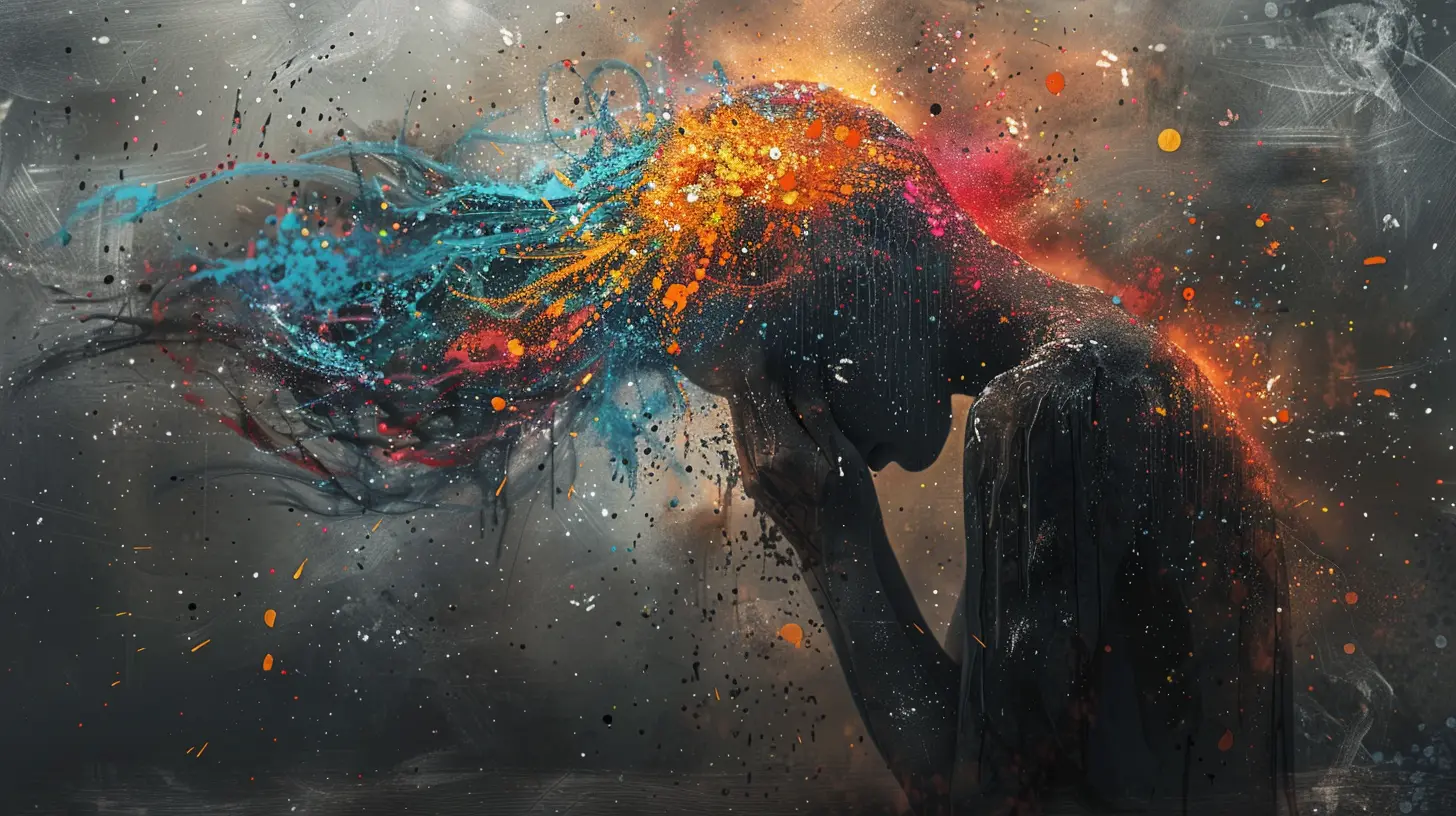
What Exactly Is Fear?
Fear is your body’s alarm system—it kicks in when there’s an immediate threat. Think fire, a snarling dog, or someone jumping out at you in a dark alley. When fear hits, your fight-or-flight response goes into overdrive. Your heart pounds. Your muscles tense. You get laser-focused. Basically, fear is your body yelling, “RUN OR FIGHT!”Here’s the thing: fear is primal. It’s hardwired into your brain from the time we were dodging saber-toothed tigers. It keeps you safe from danger, and it only sticks around as long as the danger is present.
Example: You’re hiking, and suddenly you see a bear. Your brain screams, “Bear = danger!” That’s fear.
Now, What Is Anxiety?
Anxiety, on the flip side, is more of a nagging worry that something bad might happen—even if there’s no obvious threat. It’s like your brain writing horror stories about the future, even when the present is totally chill.Anxiety can sneak in slowly. You might feel it in your stomach, your chest, or it might just be a sense of dread you can’t shake. It often overstays its welcome, making you nervous about things that haven’t even happened.
Example: You’re about to give a presentation, and you keep thinking, “What if I forget what I’m supposed to say? What if everyone laughs at me?” That’s anxiety.
The Key Differences Between Anxiety and Fear
So, what separates the two? Let’s break it down:| Aspect | Fear | Anxiety |
|-----------------------|------------------------------------------|-------------------------------------------|
| Trigger | Immediate, real threat | Potential or imagined future threat |
| Duration | Short-term; ends when danger is gone | Long-lasting; can linger for days or more |
| Emotional Feel | Strong, urgent, intense | Persistent, nagging, anticipatory |
| Physical Reaction | Fight-or-flight response | Tension, unease, restlessness |
| Cognitive Focus | "There’s danger right now!" | "What if something goes wrong later?" |
The Biological Side: Why We Feel Both
Let’s talk brain chemistry for a sec—no boring science lecture, promise.Both fear and anxiety live in your brain’s emotional control center: the amygdala. That little almond-shaped structure processes threats and sets off the fight-or-flight alarm. But here's where things get interesting:
- Fear is mostly reactive. It happens when the amygdala senses danger based on your surroundings—like a gunshot or a car speeding toward you.
- Anxiety pulls in more parts of the brain, like the prefrontal cortex. That’s where all your what-if thinking happens. It’s not just reacting to a threat; it’s trying to predict one.
In other words, your brain isn’t just yelling, “Danger!” It’s whispering, “Something bad might happen.”
How They Work Together (And Sometimes Against You)
Fear and anxiety actually feed off each other. Think of anxiety as fear’s overprotective cousin. It’s always watching out, trying to prevent things before they happen. That sounds helpful in theory, but in real life, it can spin out of control.Imagine anxiety as that friend who always assumes the worst. You say, “I have a headache,” and they’re like, “It could be a brain tumor!” Thanks, anxiety.
While fear keeps you from stepping into traffic, anxiety might keep you from leaving the house altogether. See the difference?
Common Triggers That Blur the Lines
Sometimes it’s tricky to tell whether you're dealing with fear or anxiety, especially when your body reacts the same way for both. Here are some situations that blur the emotional boundaries:Public Speaking
You could feel fear if you’re about to step on stage and freeze up. There’s an immediate trigger—people staring, lights on you, silence waiting to be filled.But you might experience anxiety for days leading up to the event, imagining embarrassing scenarios that haven’t even happened.
Interviews or Exams
Facing a difficult question might trigger fear in the moment. But worrying about the interview or test weeks before? Pure anxiety.Health Scares
Fear is reading a test result that doesn’t look good. Anxiety is googling symptoms at 2 AM and convincing yourself you’ve got a rare disease.How Chronic Anxiety Takes a Toll (And Why Fear Doesn’t Always Stick Around)
Here’s something people often overlook: fear might hit you like a truck, but it usually passes quickly. It’s reactive and tied to a present situation. Once the threat is gone, you return to baseline.Anxiety? Not so much.
Chronic anxiety is like a faucet that’s always dripping. It can impact your:
- Sleep (ever lay awake replaying a cringy moment from 4 years ago?)
- Appetite (either stress-snacking or skipping meals)
- Concentration (your brain hopping from one worry to the next)
- Immune system (yep, long-term stress weakens it)
Over time, chronic anxiety can even lead to or worsen mental health conditions like depression or panic disorder.
Can You Have One Without The Other?
Absolutely!You can experience pure fear—like nearly slipping on ice—and then move on without lingering anxiety.
And you can have anxiety without any actual fear trigger—like feeling on edge all day with no clear reason why.
But—and here's the twist—they often show up hand-in-hand. Anxiety can prime you for fear, making you react even more intensely to threats that wouldn’t normally faze you.
How to Cope With Anxiety and Fear (Without Losing Your Mind)
Okay, so both emotions are part of life. But what do you do when they’re overwhelming?Let’s get into some practical tips.
1. Name It to Tame It
First step? Understand what you’re feeling. Ask yourself:- Is there an immediate danger? → Probably fear.
- Am I worried about something that hasn’t happened? → Likely anxiety.
Just labeling the emotion can help you feel more in control.
2. Breathe Like You Mean It
Deep breathing isn’t just new-age fluff. It actually helps calm the nervous system—and both fear and anxiety jack it up.Try this: Inhale for 4 seconds, hold for 4, exhale for 6. Repeat a few times. You’ll literally slow your heart rate and calm your mind.
3. Get Moving
Physical activity burns off the adrenaline that fear and anxiety pump into your system. A brisk walk, some jumping jacks, dancing—you don’t need a gym membership to feel better.4. Talk About It
Seriously, find someone who’ll listen. A therapist, a friend, even a journal. Bottled-up fear or anxiety tends to leak out in not-so-fun ways (like snapping at your cat or crying in traffic).5. Stay Present
Anxiety loves to live in the future. Fear dominates the now. The more you can stay grounded in the present, the less power they both have.Try mindfulness, meditation, or even just tuning into your five senses to anchor yourself.
When to Seek Help
Feeling fear in dangerous situations or getting anxious before big life events? Totally normal.But if anxiety:
- Interferes with daily life
- Stops you from doing things you enjoy
- Causes physical symptoms like chest pain or extreme fatigue
…it might be time to speak with a mental health professional. Therapy, medication, or a combination of both can work wonders.
Final Thoughts
Anxiety and fear are like emotional cousins—close, sometimes overlapping, but not the same. Fear is your body’s fast reaction to real threats. Anxiety is the slow-burning spark of worry that’s often about what-ifs and maybes.Both serve a purpose, but when they get out of control, they can really throw your life off balance. The good news? Once you understand the differences, you can start taking back control.
We’re all human. Feeling scared or anxious doesn’t make you weak—it makes you alive. The key is learning to notice the difference, manage the emotions, and not let them steer the wheel.
Because you deserve to be in the driver’s seat of your mind.
all images in this post were generated using AI tools
Category:
Psychology Of FearAuthor:

Nina Reilly
Discussion
rate this article
2 comments
Lys Griffin
This article offers fascinating insights into the nuanced relationship between anxiety and fear. I’m intrigued by how understanding their distinct characteristics can enhance our approach to mental health. Looking forward to exploring practical applications from these insights!
March 2, 2026 at 4:52 AM
Nina Reilly
Thank you for your thoughtful comment! I’m glad you found the insights intriguing and hope they inspire practical applications in mental health.
Callista McPhail
This article effectively clarifies the nuanced relationship between anxiety and fear. Understanding their differences is crucial for better mental health management. It’s a helpful resource for anyone looking to navigate these complex emotions.
February 6, 2026 at 5:57 AM
Nina Reilly
Thank you for your insightful comment! I'm glad you found the article helpful in understanding the nuances between anxiety and fear.