How Attention Deficit Disorder Affects Relationships and Social Skills
28 July 2026
Ever had a conversation where someone seems completely engaged, only to realize halfway through they were mentally plotting the best taco toppings for dinner? Welcome to the wonderfully chaotic world of Attention Deficit Disorder (ADD). It’s not just about misplaced car keys and half-finished projects—ADD can significantly impact social skills and relationships too.
So, if you’ve ever wondered why your friend with ADD zones out during dinner convos or why relationships might seem like an emotional rollercoaster with no seatbelts—you’re in the right place. Let's dive into how this quirky cognitive wiring affects our ability to connect, bond, and communicate with others.
What Is Attention Deficit Disorder, Anyway?
Before we start dissecting how ADD plays third wheel in relationships, let’s break down what it actually is.Attention Deficit Disorder (now often included under the broader term ADHD—specifically the inattentive type) is like having a hundred browser tabs open in your brain—most unrelated, all loud, and none playing the music you actually want. It affects focus, impulse control, and organization. But spoiler alert: It messes a bit with the emotional and social circuitry too.
ADD: The Unexpected Social Saboteur
1. The Vanishing Act: Trouble with Attention
Imagine trying to have a heart-to-heart with someone while there's a marching band parading through their brain. Sounds difficult, right?One of the key hallmarks of ADD is, well, attention issues. In relationships, this shows up as zoning out during important conversations, forgetting details your partner just shared, or unintentionally interrupting mid-sentence because your brain is already five points ahead.
To others, this might seem careless or selfish. But honestly? It’s not intentional. The ADD mind just has a slightly chaotic relationship with focus.
2. The Talking Tornado: Impulsivity in Action
People with ADD often speak before they think—like verbal fireworks that go off without warning. This impulsivity can lead to saying things that are brutally honest or, occasionally, just plain inappropriate.While this can lead to some genuinely hilarious moments, it can also ruffle feathers in everyday social and romantic interactions. It's not that someone with ADD doesn't care about your feelings—it’s more like their internal filter took a coffee break.
3. Emotional Tsunamis: Mood Swings and Regulation
Let’s be real—everyone gets moody sometimes. But with ADD, emotions can go from zero to drama in 2.5 seconds.Folks with ADD often struggle with emotional regulation. Minor frustrations can feel like monumental betrayals, and sometimes, affection is dialed up to 11—followed by a sudden emotional shutdown. This rollercoaster of feelings can be confusing (and exhausting) for both parties in a relationship.
4. The Memory Maze: Forgetfulness and Disorganization
Ah, the art of forgetting to RSVP, missing anniversaries, or leaving your best friend's birthday gift in the trunk for three weeks. It’s not neglect—it’s executive dysfunction.This forgetfulness isn’t limited to little things either. In relationships, it might look like forgetting promises or overlooking emotional needs. And that can feel hurtful—even if the forgetfulness is purely neurological, not emotional.
How ADD Impacts Different Types of Relationships
Romantic Relationships: Love on a Loop
Romantic relationships and ADD are kind of like trying to play chess during a tornado. There's strategy involved, yes, but also a whole lot of wind throwing your plans off course.People with ADD might struggle with:
- Keeping up with their partner's emotional needs
- Managing shared responsibilities (bills, chores, you name it)
- Being present in conversations (without mentally planning their next meal)
This can leave their partner feeling unimportant or unheard. But when both people understand what’s really behind the behavior—things can get better, fast.
Friendships: The Lost Text Phenomenon
Maintaining friendships with ADD isn’t always easy. Text messages go unanswered (not ghosting—just forgetting), and plans get mixed up or double-booked.But here's the good news: Friends who "get it" often learn to ride the wave, understanding that the connection is real even if the communication is a little chaotic.
Tip: Friends of people with ADD—gentle reminders go a long way.
Workplace Relationships: Ping-Pong Brains and Coffee Break Confessions
ADD can also make workplace relationships a bit… complicated. There's often a desire to connect, mixed with difficulty in reading social cues, staying on topic, or avoiding the overshare during watercooler chats.Colleagues might misinterpret this as a lack of professionalism or awareness. But in reality, the brain is just doing its best under unique wiring.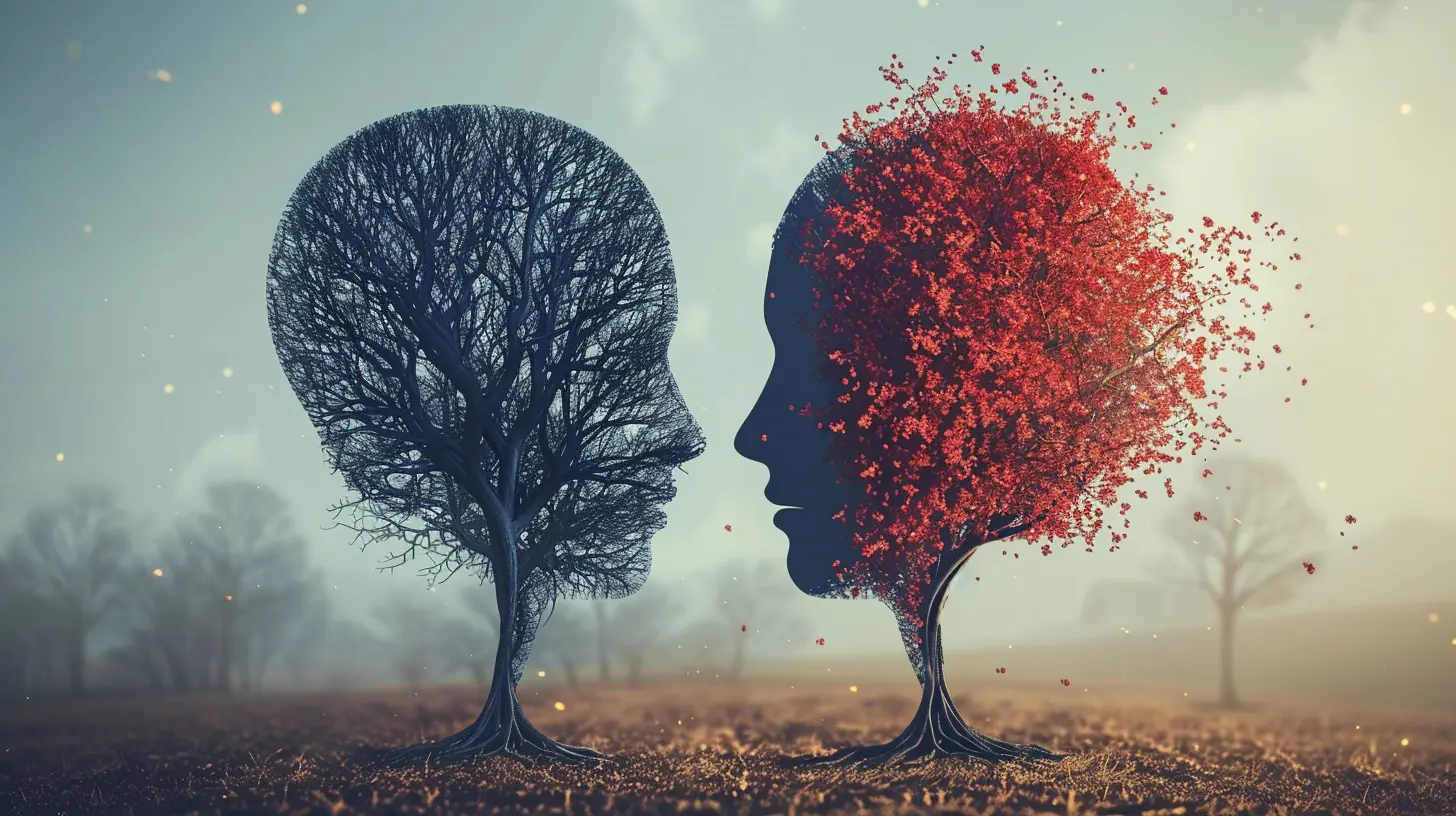
Social Skills—The Often-Overlooked Casualty
Reading the Room? More Like Reading a Comic Book
Social cues can be subtle—eye rolls, awkward silences, the classic "polite fake laugh." For someone with ADD, these signs can be harder to interpret.This can make interactions feel off, or leave the person with ADD wondering what went wrong—when, really, they just missed some non-verbal hints.
Talking vs. Listening: The Balance Is Tricky
In conversations, people with ADD may dominate the chatter without realizing it. Why? Because the fear of forgetting their point drives them to speak quickly—and sometimes excessively.It’s not narcissism. It’s a racing thought train that doesn’t stop unless acknowledged.
Social Anxiety with a Twist
Interestingly, despite the extroverted energy many with ADD give off, social anxiety can be very real. Past social "failures" (interrupting, saying the wrong thing, missing cues) can make people question their likability—even if they’re incredibly charismatic.The Silver Lining: Superpowers of the ADD Mind
Alright, it’s not all doom and social disasters. That ADD brain? It also comes with some incredible strengths that, when embraced, can actually enhance relationships.Spontaneity: The Spark of Life
Need a last-minute road trip or an impromptu dance party in your kitchen? Count on someone with ADD. Their spontaneity keeps things fresh and exciting.Creativity and Passion: All In, All Heart
ADD often brings intense curiosity and passion. When someone with ADD cares—they CARE. They’ll notice the little things, write sweet notes, and plan surprisingly thoughtful gifts (assuming they remembered the occasion 😉).Empathy: Deep and Real
Despite attention stumbling blocks, people with ADD can be incredibly empathetic and emotionally in-tune. Their own struggles give them a unique ability to relate to others going through tough times.How to Build Stronger Relationships When You (or Someone You Love) Has ADD
Communication is Queen (Or King)
Over-communicate if you have to. Explain what's happening in that busy-brain of yours or ask your loved one to do the same. Use metaphors, charts, interpretive dance—whatever works.Set Friendly Reminders (Electronically or Otherwise)
Use your phone, sticky notes, smart watches, carrier pigeons. Having external systems in place helps bridge the forgetfulness gap and shows that you care enough to stay on top of things.Be Open to Therapy (Seriously)
Whether it’s individual, couples, or coaching—therapy can be HUGE for managing ADD in relationships. It creates a space for better understanding, emotional management, and smoother communication.Embrace the Weird, Together
If you love someone with ADD—or have it yourself—understand that there’s beauty in that brain. Embrace the randomness, laugh at the chaos, and work through the tougher bits with patience.Final Thoughts: Relationships Aren’t About Perfection
In the end, having ADD doesn’t doom you to a lifetime of awkward silences and forgotten birthdays. It just means you (and those around you) might need to develop a bit more awareness, patience, and humor.Remember: every relationship—ADD or not—takes work. And maybe a shared Google Calendar.
So whether you're the zoning-out partner or the one feeling unheard, a little empathy and a lot of understanding can go a long way.
Now, where did I put my car keys again?
all images in this post were generated using AI tools
Category:
Attention Deficit DisorderAuthor:

Nina Reilly