How Childhood Trauma Impacts Adult Relationships
28 December 2025
Let’s be real—childhood isn’t always picture-perfect. Some of us grow up with laughter and bedtime stories, while others carry emotional scars that no one can see. What’s even trickier? These childhood hurts don’t just disappear with age. They quietly follow us into adulthood, often sneaking into our relationships like uninvited guests at a dinner party.
Whether you're someone who's experienced childhood trauma or you're trying to understand a partner who has, unpacking how those early experiences shape adult relationships is key to healing and building deeper connections. This article breaks it all down in a way that's easy to digest (no psych degree required).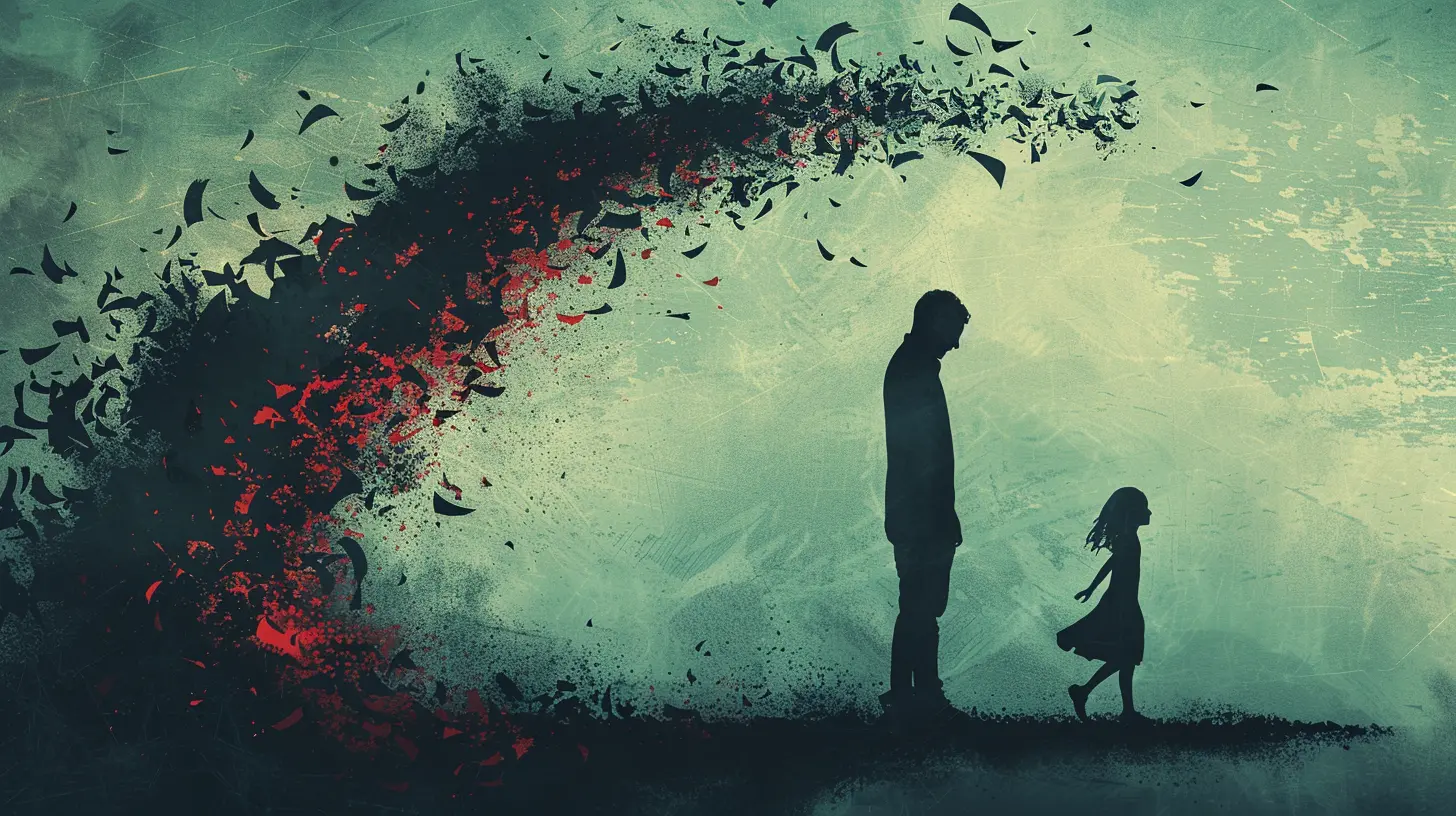
What Counts as Childhood Trauma?
Before diving into the aftermath, let’s first get clear on what we mean by childhood trauma. It's not just about major events like abuse or neglect—though those are certainly significant. Trauma can also come from:- Growing up with a caregiver who was emotionally unavailable
- Experiencing parental divorce or separation
- Living in a home with addiction, mental illness, or domestic violence
- Being bullied or socially isolated
- Losing a loved one at an early age
In short, trauma is any experience that overwhelms a child’s ability to cope. It's the kind of stuff that leaves a mental fingerprint long after the moment has passed.
The Link Between Childhood Trauma and Adult Relationships
So, how does something that happened decades ago still affect your relationships today?Think of your childhood as the foundation of your emotional house. If that foundation was shaky, it makes sense that the adult you built on top of it might feel unstable sometimes—especially when love and vulnerability are involved.
Let’s unpack a few core ways trauma shows up in adult relationships.
1. Trust Issues: The Wall You Keep Building
Trust is the backbone of any healthy relationship. For trauma survivors, trust doesn’t come easily—and for good reason.If a child was betrayed, abandoned, or consistently let down, they may have learned early on that people aren’t safe. Fast forward to adulthood and suddenly, trusting a romantic partner feels like walking a tightrope over fire.
Even small things—like a delayed text reply or a change in tone—can feel like major red flags. The instinct is to protect yourself. So maybe you build walls, withdraw emotionally, or push people away before they can hurt you.
Sound familiar?
2. Attachment Styles: The Invisible Blueprint
Our early bonds shape the way we connect with others. Psychologists call this "attachment theory." Basically, how loved and secure you felt as a kid directly influences how you relate to romantic partners later in life.Here’s a breakdown of the common attachment styles:
- Secure Attachment: You’re comfortable with intimacy and independence. Relationships feel safe.
- Anxious Attachment: You crave closeness but fear abandonment. You might be clingy or constantly need reassurance.
- Avoidant Attachment: You value independence to the point of rejecting closeness. Intimacy feels threatening.
- Disorganized Attachment: A mix of both anxious and avoidant. You're caught between wanting connection and fearing it.
Those with childhood trauma are more likely to fall into the anxious, avoidant, or disorganized categories. This can turn relationships into emotional rollercoasters.
3. Emotional Reactivity: When Feelings Hijack Logic
Ever lash out in an argument and regret it minutes later? Or shut down completely when things get too intense? That might be your trauma talking.Childhood trauma wires your brain to stay on high alert. It's like living with a smoke alarm that goes off every time someone lights a candle. You become hypersensitive to conflict, tone, even facial expressions.
This leads to emotional reactivity. Instead of responding calmly, your body goes into fight, flight, or freeze mode. It’s not that you're overreacting—your nervous system is just trying to protect you the only way it knows how.
4. Low Self-Esteem: The Inner Critic Won’t Shut Up
If you grew up feeling unloved, unwanted, or consistently criticized, chances are your inner voice can be pretty harsh.You might:
- Feel unworthy of love
- Settle for toxic partners
- Constantly seek validation
- Struggle with boundaries
This isn’t because you’re flawed—it’s because your early experiences taught you lies about yourself. Healing involves unlearning those lies and rewriting the narrative.
5. Fear of Intimacy: Love Feels Dangerous
Trauma survivors often crave closeness, but fear it at the same time. Why? Because vulnerability reminds them of a time when opening up led to pain.One moment, you’re leaning into intimacy. The next, panic sets in. You start pulling away, picking fights, or sabotaging the relationship without even realizing it.
It’s a push-pull dynamic that can be exhausting for both partners.
6. Repetition Compulsion: Falling Into the Same Trap Again
Here's a wild (and kind of frustrating) truth: we often repeat the patterns of our past, even if they hurt us.Ever wonder why you keep dating emotionally unavailable people or why drama follows you in every relationship?
It’s called "repetition compulsion"—your subconscious trying to recreate past wounds in hopes of a different outcome. You keep choosing partners who mirror your childhood relationships, hoping this time, it’ll be different.
Spoiler alert: It usually isn’t—unless you break the cycle.
Healing Is Possible (And Totally Worth It)
The good news? Trauma isn’t a life sentence. You’re not doomed to repeat your past forever. Healing takes effort, but it's doable—and honestly, so worth it.Here are a few steps to get you started:
1. Go to Therapy
Therapy is like a gym for your emotional health. It helps you process what happened, understand how it’s affecting you now, and develop healthier relationship patterns.Look into:
- Trauma-informed therapy
- EMDR (Eye Movement Desensitization and Reprocessing)
- Cognitive Behavioral Therapy (CBT)
- Internal Family Systems (IFS)
A good therapist acts like a compassionate mirror—reflecting your behaviors and helping you make sense of them.
2. Practice Self-Awareness
Start paying attention to your triggers. What makes you feel unsafe or reactive in your relationships? What stories are you telling yourself in those moments?Journaling, mindfulness, and even voice memos can help you track your thoughts and feelings in real-time.
The more aware you are, the more control you gain.
3. Communicate With Your Partner
Don’t bottle things up. Share what you’re going through with your partner. You don’t need to trauma-dump your entire childhood on the first date, but opening up little by little builds trust and intimacy.Say things like:
- “I sometimes struggle with trust because of my past. It’s not about you—I just need some extra patience.”
- “When you pull away, it triggers old fears. Can we talk about it?”
Vulnerability is scary, but it's also the secret sauce of connection.
4. Practice Boundaries (Yes, It’s a Skill)
Boundaries protect your peace. They tell people how to treat you—and they keep resentment at bay.Practice saying:
- “I’m not comfortable with that.”
- “I need some space right now.”
- “Let’s revisit this conversation when we’re both calm.”
Remember: boundaries aren’t walls—they’re bridges that help relationships thrive.
5. Rewrite the Narrative
Your trauma may shape you, but it doesn’t define you. Every day is a fresh page. You get to decide the story you tell yourself moving forward.Instead of saying, “I always mess up relationships,” try:
- “I’m learning to love in a healthier way.”
- “My past doesn't dictate my future.”
- “I deserve safe, respectful love.”
It’s a mindset shift—and it’s powerful.
Don’t Let The Past Steer The Wheel
Let’s face it: we all carry emotional baggage. Some suitcases just happen to be heavier than others. But here’s the thing—your childhood may have written the first few chapters of your story, but you hold the pen now.Understanding how childhood trauma impacts adult relationships isn’t about assigning blame. It’s about shining a light on the hidden forces at play, so you can stop stumbling in the dark.
You deserve love that feels safe. You deserve connection, joy, and peace. And yes—you deserve a relationship that doesn’t feel like survival.
Healing takes time. But it starts with awareness…and a little bit of courage.
Final Thoughts
If you're someone carrying the invisible weight of childhood trauma, give yourself grace. The fact that you're reading this means you're already doing the work. Healing isn’t linear—it’s messy, confusing, and sometimes downright exhausting. But it's also beautiful.And you’re not alone.
Keep showing up. Keep choosing healthier love. You’re not broken—you’re human.
all images in this post were generated using AI tools
Category:
Psychological ResearchAuthor:

Nina Reilly
Discussion
rate this article
2 comments
Caroline McGowan
Childhood trauma: adult relationship comedy!
January 21, 2026 at 5:52 AM
Nina Reilly
Childhood trauma can shape our adult relationships in unexpected ways, often leading to both humor and heartache. It's a complex blend that can create comedic situations but also highlights the need for healing and understanding.
Phoebe Hall
Thank you for shedding light on the profound effects of childhood trauma on adult relationships. This article beautifully illustrates the connection between past experiences and current dynamics, providing valuable insights for both individuals and mental health professionals. Keep up the great work!
December 29, 2025 at 3:51 AM
Nina Reilly
Thank you for your kind words! I'm glad you found the article insightful. Your support means a lot!