How Exercise Impacts Your Mental Well-Being
22 April 2026
Let’s be honest—when most of us think about exercise, we think about sweating through a tough workout, trying to shed a few pounds, or chasing that summer body. But what if I told you that exercise does way more than just make you look good in jeans? It can actually reshape your brain—no, really—and massively boost your mental well-being.
Science has shown time and again that physical activity is a powerful tool against stress, anxiety, depression, and a whole bunch of mental health struggles. So today, we’re diving deep into exactly how exercise impacts your mental well-being. Get ready—this could change the way you view your workouts forever.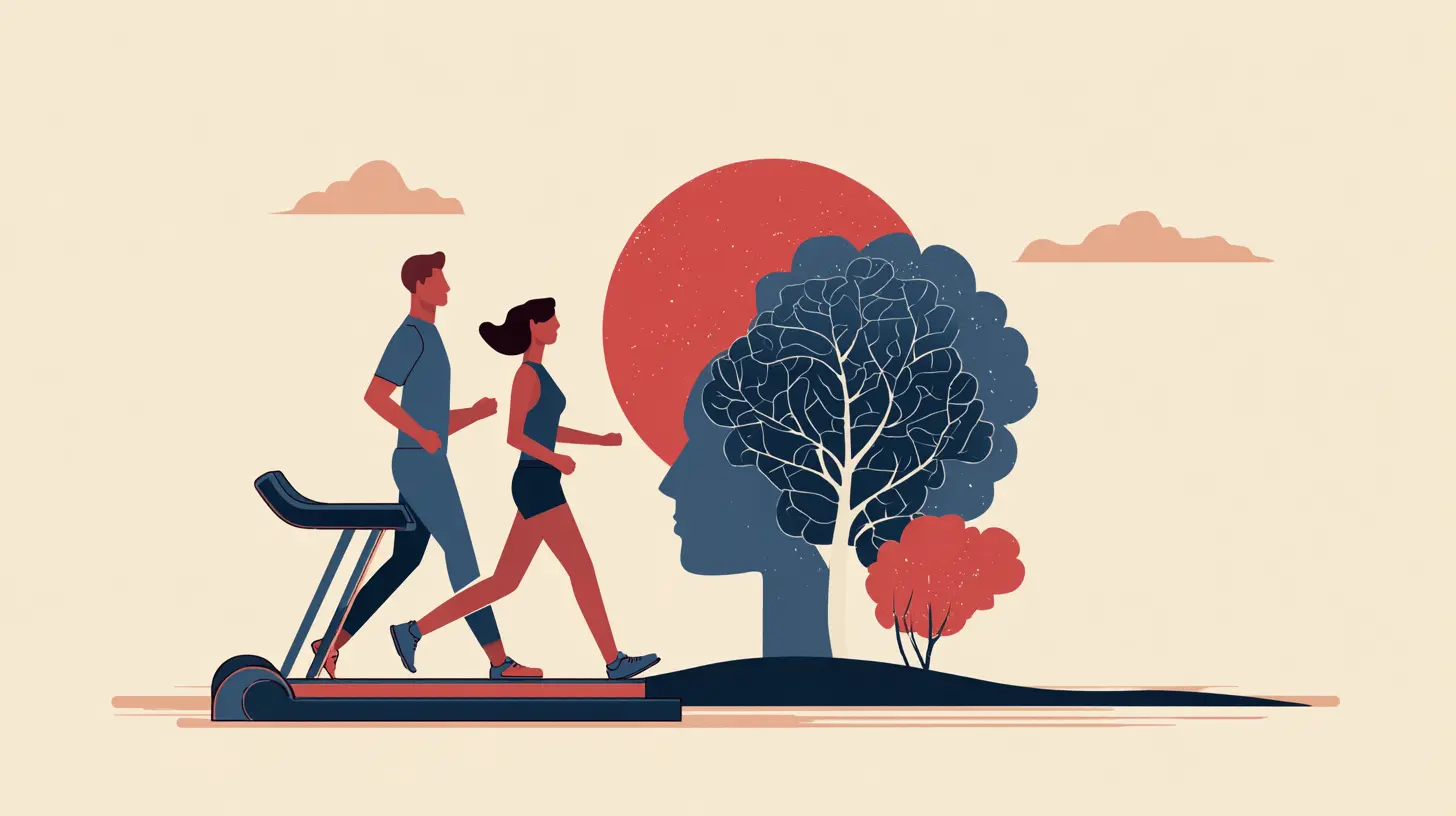
The Mind-Body Connection: More Real Than You Think
You’ve probably heard the phrase “healthy body, healthy mind” tossed around, right? Well, it’s not just a motivational quote from your high school gym teacher. It’s actually at the root of how our bodies and minds work together. The truth is, our brains respond directly to the state of our bodies.When you move your body, your brain starts reacting—releasing feel-good chemicals like endorphins and dopamine, calming stress hormones, and even improving the structure of your brain over time.
So in a way, working out is kind of like a reset button for your brain. And who doesn’t want that from time to time?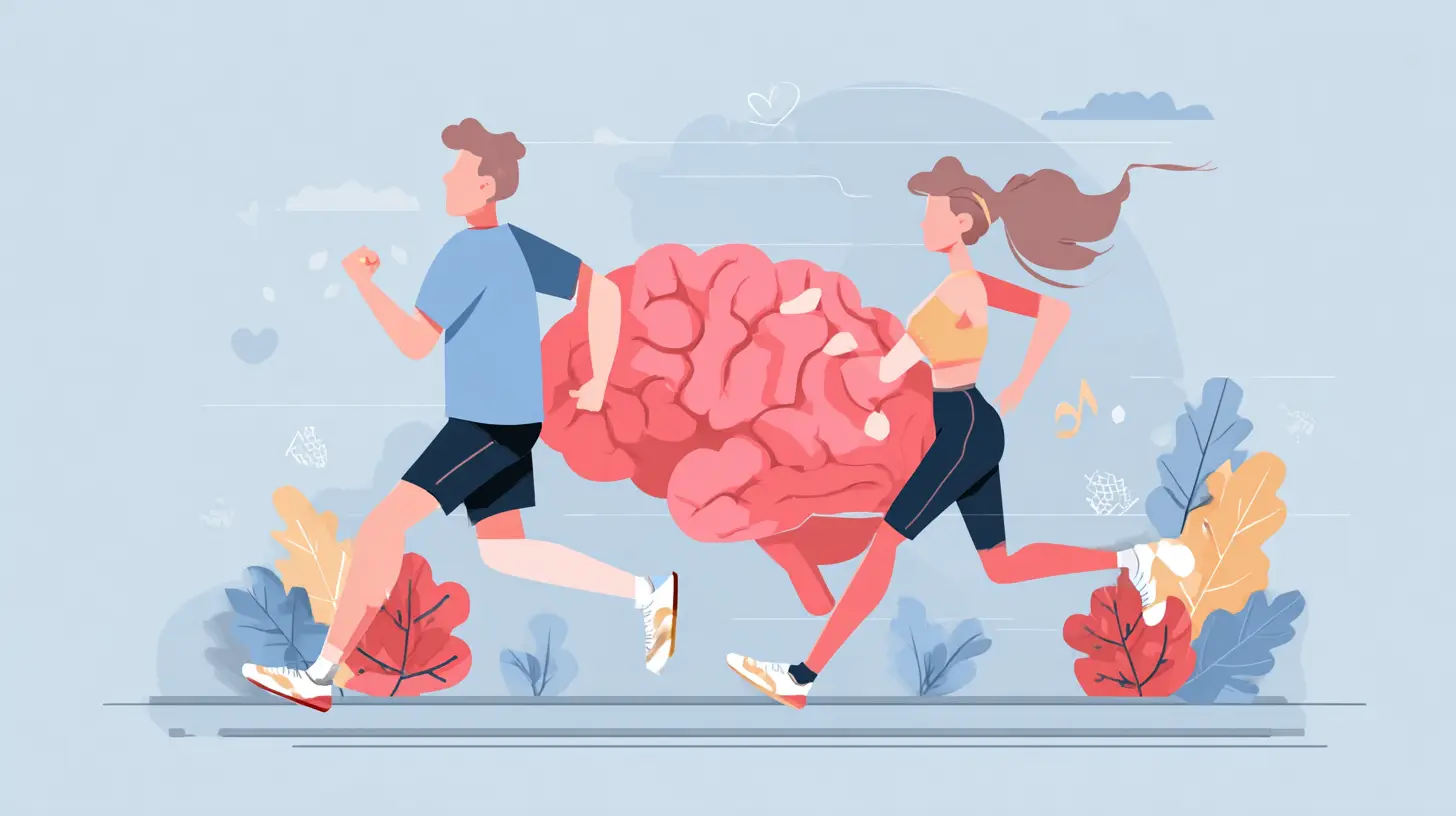
How Exercise Affects the Brain: The Science, Simplified
Let me break it down for you without getting all textbook-y.When you exercise, a few magical things happen in your brain:
1. Endorphins Flood Your System (Hello, Natural High)
Ever heard of the “runner’s high”? It’s not just for marathoners. When we engage in physical activity, our brains release endorphins—natural chemicals that make us feel euphoric and energized. It's like nature’s version of anti-anxiety medication, minus the side effects.You don’t need to run ten miles to get it either. Even a brisk walk or a workout dance party in your living room can get those endorphins flowing.
2. Cortisol Levels (A.K.A. Stress Hormones) Take a Dip
Cortisol is what makes your heart race when you're stressed out. It’s helpful in small doses but harmful in large amounts. Chronic stress = high cortisol = bad news for your mental health.Exercise helps lower cortisol levels naturally. That’s why after a good workout, you often feel calmer, clearer, and just...better.
3. Brain-Derived Neurotrophic Factor (BDNF): Brain Fertilizer
This one sounds super technical, but think of BDNF like Miracle-Gro for your brain. It helps your brain grow new cells and maintain existing ones. The more BDNF you have, the better your brain runs—especially when it comes to memory, learning, and emotional processing.And guess what increases BDNF levels? Yep, you guessed it—exercise.
The Impact of Exercise on Mental Health Conditions
Okay, so exercise helps your brain chemistry. But what does that really mean if you’re struggling with anxiety, depression, or burnout? Let’s get into it.1. Depression: Moving Your Way Out of the Fog
Depression can feel like a dark cloud constantly hovering over you. It zaps your energy, motivation, and even your will to get out of bed. But incorporating physical activity—even the smallest effort—can make a tangible difference.Why? Because exercise increases norepinephrine and serotonin, two chemicals linked to mood regulation. It also gives you a sense of accomplishment, even if it’s just completing a 15-minute walk.
In fact, some studies suggest that exercise can be just as effective as antidepressants for mild to moderate depression. That’s huge.
2. Anxiety: Unwinding the Mind
Anxiety is like your brain being stuck in “what-if” mode 24/7. Your thoughts race, your heartbeat quickens, and your stomach churns.Good news: consistent physical activity can help manage anxiety. Cardio exercises like running, swimming, or cycling are especially effective—they increase heart rate and simulate the physical sensations of anxiety, which actually helps your brain learn how to manage those sensations.
Think of it like exposure therapy—training your body to cope in a safe, controlled way.
3. Stress Management 101
Stress is unavoidable. But it becomes a problem when we don’t have healthy outlets for it. That’s where exercise comes in.Regular movement helps your body process and get rid of built-up stress hormones. It also diverts your brain’s focus from what’s stressing you out. After all, it’s hard to worry about work emails when you’re mid-squat.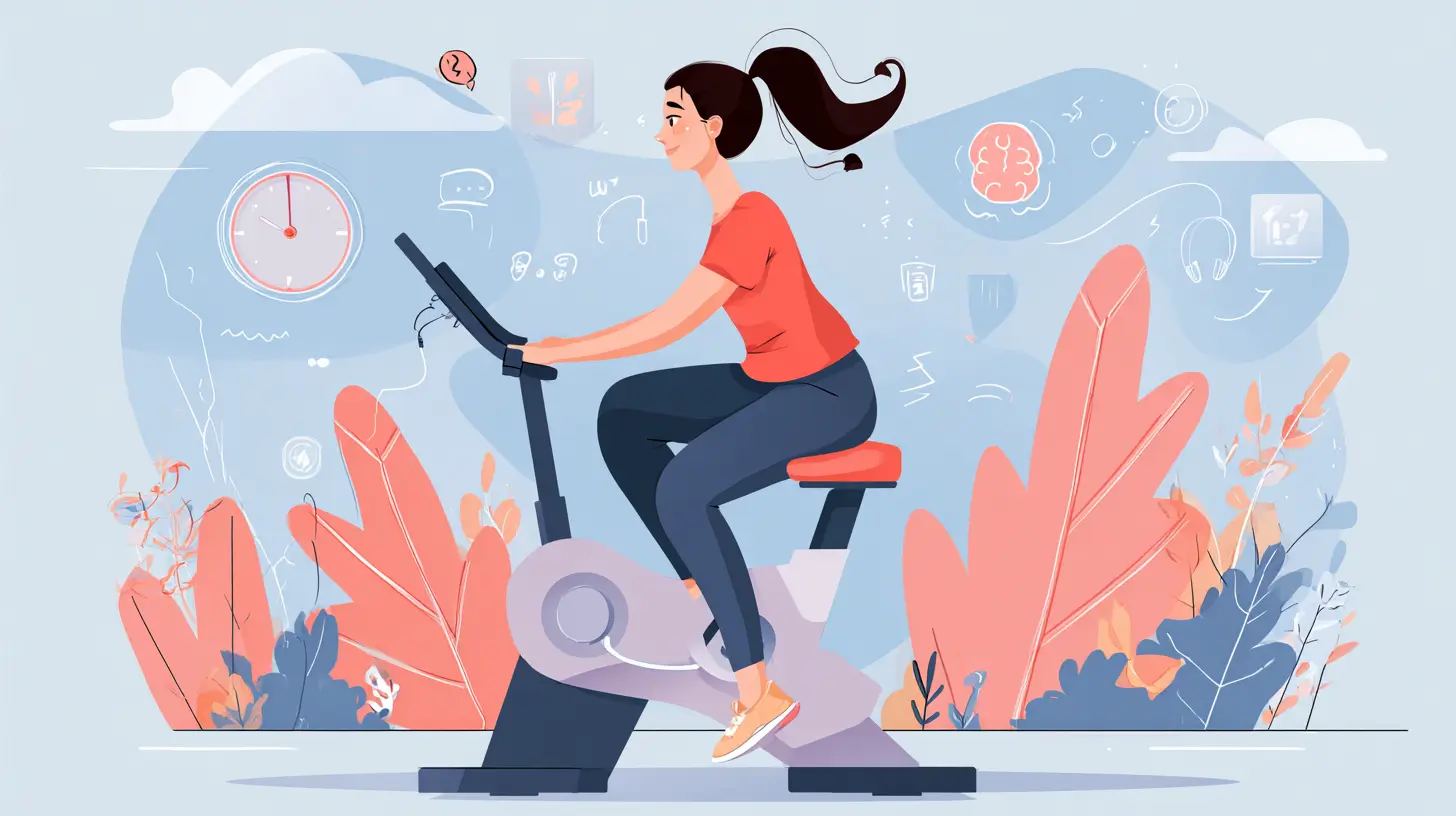
Exercise and Sleep: The Mental Health Sidekick You Didn’t Know You Needed
Let’s not forget about sleep. If you’re not sleeping right, your mental health will take a dive—fast. Exercise can help on that front too.Working out (especially earlier in the day) promotes better, deeper sleep. It helps regulate your circadian rhythm, decreases insomnia, and leads to more restorative rest. And when you wake up well-rested? You feel more grounded, focused, and ready to handle whatever the day throws at you.
Building Confidence, One Rep at a Time
There’s a powerful psychological benefit of exercise that doesn’t get talked about enough: confidence.Each time you challenge yourself physically—whether it's lifting a heavier weight, running a bit farther, or just showing up—you prove to yourself that you’re capable. That you can grow. That you can handle hard things.
And that belief? It starts to spill into other parts of your life. Before you know it, you're not just stronger physically—you’re more resilient mentally too.
Social Interaction Through Exercise: An Underrated Mood Booster
Let’s face it—humans are social creatures, even the introverts among us. Loneliness can be a serious downward spiral for mental health.Group workouts, fitness classes, walking clubs, or even finding a gym buddy can add much-needed social interaction into your routine. Sharing goals, celebrating progress, and just having someone to chat with can lift your spirits way more than you’d think.
Types of Exercise That Support Mental Wellbeing
You don’t have to become a crossfit junkie or train for a triathlon. The best workout for your mental health? The one you’ll actually do. Here are some great options:1. Walking
Simple, free, and effective. Just 30 minutes a day can make a huge difference.2. Yoga
Combines movement with mindfulness, perfect for reducing stress and anxiety.3. Running or Jogging
Cardio is king when it comes to anxiety relief and mood boosting.4. Strength Training
Helps with self-esteem, focus, and gives a strong sense of progression.5. Dancing
Fun, freeing, and boosts serotonin like crazy. Plus, who doesn’t love a good dance party?How to Make Exercise a Mental Health Habit
Ready to harness all these benefits? Here’s how to make movement stick without burning out:- Start small. Even a 10-minute walk counts.
- Pick something you enjoy. If you hate running, don’t run. Dance, hike, swim—just move.
- Be consistent. Aim for 3–5 days a week to start seeing the feel-good effects.
- Track your mood. Notice how you feel before and after. This reinforces the habit.
- Be kind to yourself. Miss a day? Don’t beat yourself up. Mental health is a marathon, not a sprint.
Exercise is Not a Cure-All, But It's a Game-Changer
Now, let’s get real for a minute.Exercise alone isn’t going to fix everything. If you’re struggling with severe depression or anxiety, professional help is always the right move. Therapy, medication, and support systems play vital roles in mental health care.
But exercise? It's a powerful piece of that puzzle. It’s a tool in your toolbox—a way to take back some control, feel a little better, and bring balance back to your day.
It doesn't take a complete lifestyle overhaul to experience the mental benefits of exercise. Start where you are, with what you have. Let movement become your medicine—one step, one breath, one rep at a time.
Because you deserve to feel good—not just in your body, but in your mind too.
Final Thoughts
Exercise isn’t just about burning calories or building muscle. It’s about reconnecting with yourself. It’s about giving your brain space to breathe, your heart room to heal, and your soul a little spark of joy.So next time you're debating whether to skip that workout, remember: it’s not just your body that benefits—it’s your mind, your spirit, and your entire sense of well-being.
Take the first step. Your brain will thank you.
all images in this post were generated using AI tools
Category:
Mental HealthAuthor:

Nina Reilly
Discussion
rate this article
2 comments
Kade Newton
Exercise not only boosts mood but also enhances cognitive function, creating a powerful synergy for mental health.
June 29, 2026 at 4:16 AM
Aiden Dillon
Exercise? Pfft! Who needs endorphins when you can binge-watch your favorite shows and eat chips instead?
April 28, 2026 at 2:21 AM
Nina Reilly
While binge-watching and snacks are fun, exercise actually boosts your mood and helps reduce stress. Balance is key for overall well-being.