How Fear Drives Conspiracy Theories
1 August 2026
Conspiracy theories have been around for centuries, from whispers about secret societies controlling the world to modern-day claims about government cover-ups. But have you ever stopped to wonder, Why do people believe in conspiracy theories?
At the heart of these beliefs lies one powerful emotion: fear. Fear has an uncanny ability to shape our thoughts, influence our decisions, and even rewire our perception of reality. When uncertainty creeps in, our brains scramble for answers—even if those answers aren't entirely rational.
So, what is it about fear that makes us so vulnerable to conspiracy theories? Let's break it down.
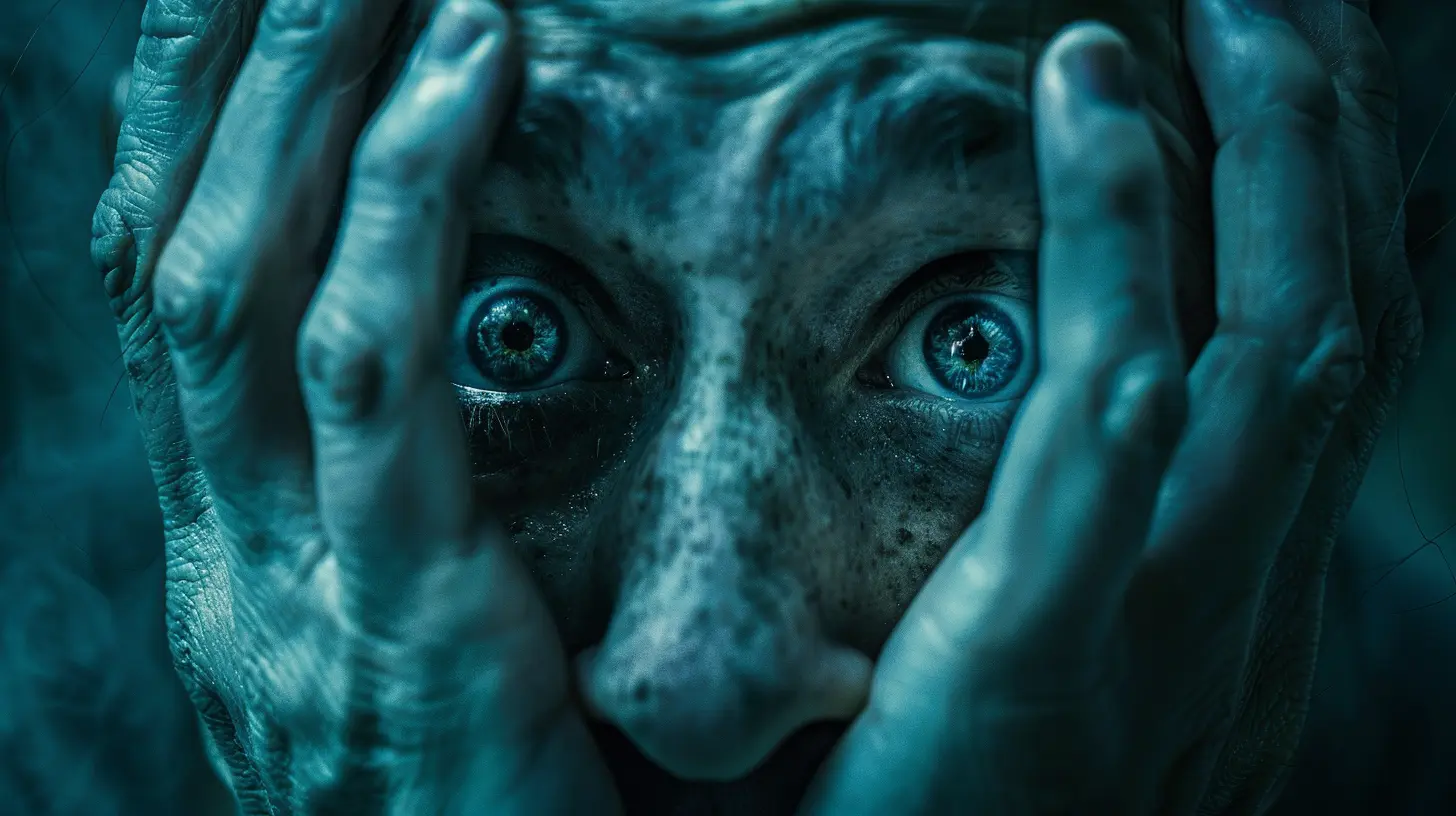
The Psychology of Fear: Why It’s So Powerful
Fear isn’t just an emotion—it’s a survival mechanism. It evolved to keep us safe from potential threats, whether it was a lurking predator in ancient times or an economic crisis today. When we sense danger, our brain activates the "fight or flight" response, flooding us with adrenaline and sharpening our focus.But here’s the catch: our brains hate uncertainty. When faced with situations we don't fully understand, fear drives us to seek explanations, even if those explanations are based on incomplete or misleading information. This is where conspiracy theories step in.
How Fear Fuels Conspiratorial Thinking
When fear takes hold, the mind craves certainty. If an official explanation seems vague or unsatisfying, conspiracy theories offer a compelling alternative—a way to "make sense" of chaos. Here’s how fear plays a crucial role in shaping conspiratorial beliefs:1. Fear Amplifies Pattern Recognition
Our minds are wired to connect dots—even when no real connection exists. This is why we sometimes see faces in clouds or patterns in random events. Conspiracy theories thrive on this tendency, turning unrelated events into a grand, hidden plot.For example, after a major catastrophe, people often search for deeper, hidden meanings rather than accepting that disasters can sometimes be random. Fear makes us vigilant, so we start looking for patterns where none exist.
2. Fear Increases Distrust
When people are afraid, they become more skeptical of authority figures. Governments, media outlets, and scientific institutions are suddenly seen as potential deceivers rather than trusted sources of information.This is why conspiracy theories often revolve around the idea of a "hidden agenda"—a secret group supposedly pulling the strings behind the scenes. Fear breeds distrust, making it easier for people to believe that they’re being manipulated or lied to.
3. Fear Strengthens Group Identity
Conspiracy theories often create an "us vs. them" mentality. Fear draws people toward communities that share their beliefs, reinforcing their sense of belonging. This emotional bond can be incredibly powerful—it’s comforting to know that others "see the truth" while the rest of the world remains blind.Think about it: If you’re convinced that a secret elite controls the world, wouldn't you want to bond with others who "get it"? This sense of unity makes people even more resistant to opposing viewpoints.
4. Fear Reduces Critical Thinking
When people are scared, their ability to think critically diminishes. Instead of evaluating information rationally, they rely on gut feelings and emotional reasoning. This makes them more susceptible to sensational claims, especially if those claims validate their fears.Research has shown that stress and anxiety can impair logical thinking. In times of crisis—be it a pandemic, economic downturn, or political turmoil—people are more likely to embrace conspiracy theories because they provide quick, emotionally satisfying answers.

Real-World Examples of Fear-Driven Conspiracy Theories
Fear-driven conspiracies aren’t just a product of the internet age; they've existed throughout history. Let’s look at a few well-known examples:The Salem Witch Trials (1692)
During the Salem Witch Trials, fear of the unknown led to mass hysteria. People believed that witches were secretly working with the devil, causing misfortunes and sickness. This fear spiraled into a deadly conspiracy theory, resulting in numerous executions.The Red Scare and McCarthyism (1950s)
Cold War paranoia fueled the idea that communists were infiltrating American institutions. This led to widespread accusations, blacklists, and ruined careers—all because fear convinced people that a hidden enemy was lurking everywhere.The 9/11 Truther Movement
After the September 11th attacks, many refused to accept the official explanation, instead believing that the U.S. government orchestrated the tragedy. Fear of government deception played a major role in the spread of 9/11 conspiracy theories.COVID-19 Misinformation
During the COVID-19 pandemic, uncertainty and fear led to countless conspiracy theories—ranging from claims that the virus was a bioweapon to the idea that vaccines contained microchips. The fear of losing control over one’s health fueled these narratives, despite overwhelming scientific evidence.
Why Do Some People Embrace Conspiracies While Others Don’t?
Not everyone falls for conspiracy theories, so what makes some individuals more susceptible? Several psychological factors come into play:1. Personality Traits – People with high anxiety and low tolerance for uncertainty are more likely to believe in conspiracy theories.
2. Cognitive Biases – Confirmation bias (seeking information that confirms pre-existing beliefs) and proportionality bias (assuming big events must have big causes) contribute to conspiratorial thinking.
3. Social Influences – A person’s environment, family, and peer group play a significant role in shaping beliefs. If everyone around them believes in conspiracy theories, they’re more likely to adopt similar views.
4. Mistrust of Authorities – Previous experiences of being deceived or misled by officials can increase susceptibility to conspiracy theories.
How to Combat Fear-Driven Conspiracies
So, how do we prevent fear from leading us down the conspiracy rabbit hole? While completely eliminating misinformation is impossible, we can take steps to think more critically and respond to fear in a healthier way.1. Acknowledge Uncertainty
It's okay not to have all the answers. Instead of jumping to conclusions, we should learn to accept uncertainty and wait for credible information to emerge.2. Apply Critical Thinking
Before believing or sharing a claim, ask:- What’s the evidence?
- Who benefits from this belief?
- Are multiple reliable sources saying the same thing?
3. Be Mindful of Emotional Reactions
If something triggers fear or outrage, take a step back. Conspiracy theories often exploit emotional responses—recognizing this can help us stay grounded.4. Seek Out Reliable Information
Stick to trustworthy sources, such as reputable news organizations and scientific publications. Fact-checking sites can also help debunk misleading claims.5. Encourage Open Conversations
Instead of dismissing people who believe in conspiracy theories, engage in open and respectful discussions. Challenge misinformation with curiosity rather than hostility.Final Thoughts
Fear is a powerful force—it can protect us, but it can also lead us astray. When fear clouds our judgment, we become vulnerable to conspiracy theories that offer simple answers to complex problems.The next time you feel drawn to a sensational claim, take a moment to reflect: Is fear influencing my thoughts? By staying aware of our emotional responses and practicing critical thinking, we can navigate the world with clarity and reason.
all images in this post were generated using AI tools
Category:
Psychology Of FearAuthor:

Nina Reilly