How to Help Teens Develop Healthy Coping Mechanisms
19 January 2026
Adolescence can feel like an emotional rollercoaster. One moment, teens are on top of the world, and the next, they're drowning in stress, anxiety, or self-doubt. As parents, educators, or mentors, it’s crucial to equip them with healthy ways to cope. But how exactly can we do that?
In this guide, we'll discuss practical ways to help teens develop healthy coping mechanisms so they can navigate life's challenges with resilience and confidence. 
Why Coping Mechanisms Matter for Teens
Teenagers face a unique set of pressures—school stress, social drama, body image concerns, and the overwhelming influence of social media. Without healthy coping strategies, they might turn to unhealthy behaviors like avoidance, aggression, or even substance use.By teaching them how to manage stress in a healthy way, we set them up for long-term success in handling life’s ups and downs. 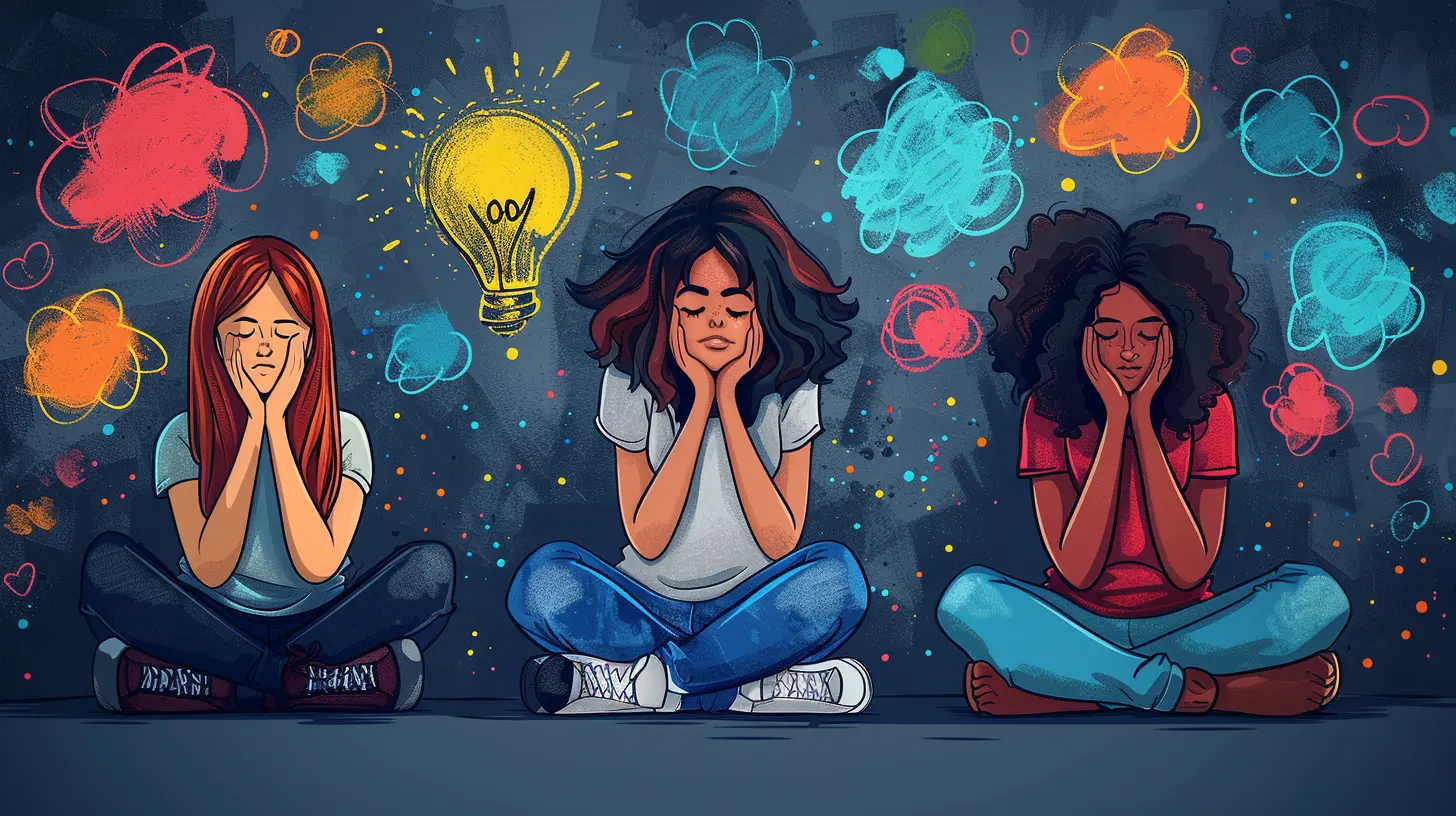
Signs a Teen Might Be Struggling
Before we jump into solutions, it's important to recognize when a teen is having a hard time. Some common signs that they might need better coping strategies include:- Sudden mood swings or irritability
- Withdrawal from family and friends
- Declining grades or lack of motivation
- Increased anxiety or sadness
- Engaging in risky behaviors (substance use, self-harm, etc.)
If you notice these signs, it may be time to step in and provide guidance. 
Healthy Coping Mechanisms for Teens
Now, let’s talk about the practical ways teens can handle stress and emotions in a healthy way.1. Encourage Open Communication
Teens often bottle up their feelings, fearing judgment or misunderstanding. Creating a safe space where they feel comfortable expressing their emotions is key.- Ask open-ended questions like, "How was your day?" instead of just "Are you okay?"
- Validate their feelings. Even if their struggles seem minor, show empathy.
- Avoid lecturing. Sometimes, they just need someone to listen.
When teens feel heard, they’re more likely to open up instead of suppressing their emotions.
2. Teach Stress-Relief Techniques
Stress is unavoidable, but teens can learn to manage it effectively. Here are some techniques to introduce:- Deep Breathing: Encourage them to inhale deeply for four seconds, hold for four seconds, and exhale for four seconds. It’s a simple trick to calm the nervous system.
- Meditation & Mindfulness: Apps like Headspace or Calm can guide teens through relaxation exercises.
- Progressive Muscle Relaxation: Tensing and then relaxing different muscle groups can ease physical tension caused by stress.
These methods help teens stay grounded when emotions run high.
3. Encourage Physical Activity
Exercise isn’t just for staying fit—it’s a natural stress reliever. Physical movement helps release endorphins, which improve mood and reduce stress.- Suggest activities they enjoy—dance, basketball, yoga, swimming, or even just walking.
- Encourage movement as a daily habit rather than a chore.
- Join them! A family walk or game of catch can be a great bonding experience.
When teens engage in physical activity regularly, they build resilience against stress.
4. Promote Healthy Social Connections
Teen years are heavily influenced by peer relationships. Having a strong support system is crucial for emotional well-being.- Encourage healthy friendships that uplift rather than drag them down.
- If they struggle with social anxiety, suggest joining clubs or activities where they can meet like-minded people.
- Teach them how to set boundaries with toxic relationships.
Positive social interactions can be a powerful buffer against stress and negative emotions.
5. Help Them Identify and Express Emotions
Many teens struggle with identifying their emotions, which can lead to frustration or acting out. Helping them label and express their feelings can be life-changing.- Encourage journaling as a way to process emotions.
- Teach them the difference between anger, frustration, sadness, and disappointment.
- Provide a safe space where they feel comfortable sharing their struggles.
When teens can understand and articulate what they’re feeling, they’re less likely to resort to unhealthy coping mechanisms.
6. Introduce Creative Outlets
Art, music, writing, or any other form of creative expression can be incredibly therapeutic for teens.- Suggest painting, playing an instrument, or even writing poetry.
- Encourage them to explore different creative activities to find what works best for them.
- Remind them that creativity isn’t about perfection—it’s about self-expression.
Creative outlets give teens a productive way to channel their emotions.
7. Foster a Healthy Daily Routine
A chaotic routine can make stress feel even worse. Help your teen establish daily habits that promote balance and well-being.- Consistent Sleep Schedule: Lack of sleep can make emotions harder to manage. Aim for 8-10 hours per night.
- Healthy Eating Habits: Junk food may be tempting, but a balanced diet supports mental health.
- Time Management: Teach them how to break tasks into manageable chunks to avoid feeling overwhelmed.
A structured routine helps create stability, which can significantly reduce stress.
8. Limit Screen Time & Social Media Exposure
Let’s be real—social media can be a breeding ground for stress, comparison, and negativity. While we can’t eliminate it entirely, we can encourage mindful use.- Set limits on screen time, especially before bed.
- Encourage real-world activities that don’t involve a screen.
- Teach them to recognize unhealthy comparisons and remind them that social media isn’t always reality.
Managing screen time can do wonders for a teen’s mental health.
9. Encourage Professional Support When Needed
Sometimes, guidance from a trusted adult isn’t enough. If a teen is struggling with intense emotions, anxiety, or depression, professional help may be necessary.- Normalize therapy as a tool for self-care rather than something to be ashamed of.
- Help them find a therapist they connect with.
- Reassure them that seeking help is a sign of strength, not weakness.
There’s no shame in seeking professional support—it’s a powerful step toward healing. 
Leading by Example
Teens don't just learn from what we tell them—they learn from what we do. If we want them to develop healthy coping mechanisms, we must model those behaviors ourselves.- Show them how you handle stress in a healthy way.
- Be open about your own feelings and how you work through them.
- Practice the coping mechanisms together.
Leading by example can be one of the most effective ways to encourage positive habits in teens.
Final Thoughts
Helping teens develop healthy coping mechanisms isn’t about forcing solutions on them—it’s about guiding them toward finding what works best for them. By providing support, encouragement, and resources, we can help them build resilience and navigate life’s challenges with confidence.So, whether it's through open conversations, stress-relief activities, or professional guidance, let’s empower the teens in our lives to cope in a way that strengthens them for the future.
all images in this post were generated using AI tools
Category:
Mental Health In AdolescenceAuthor:

Nina Reilly
Discussion
rate this article
2 comments
Yvonne McSweeney
Great insights! Empowering teens with healthy coping strategies is key. Let’s cheer them on as they navigate challenges—small steps lead to big breakthroughs! 🌟
February 8, 2026 at 3:46 AM
Nina Reilly
Thank you! Supporting teens in developing healthy coping strategies is crucial for their growth. Let's continue to uplift and encourage them! 🌟
Karina McQuade
Great insights! Encouraging open communication and modeling healthy behaviors are key to supporting teens' coping strategies.
January 21, 2026 at 5:52 AM
Nina Reilly
Thank you! Open communication and modeling positive behaviors are indeed vital for helping teens navigate challenges effectively.