How to Manage Stress for a More Balanced Life
10 December 2025
Let’s face it—life can be a lot. Between work deadlines, family responsibilities, endless to-do lists, and the rollercoaster of emotions that come with it all, stress often feels like that unwanted roommate you never invited. It sneaks in, overstays its welcome, and makes everyday life harder than it needs to be.
But here’s the good news: you don’t have to live in survival mode. Stress is a natural response, but when it starts taking the wheel, it's time to hit the brakes. In this guide, we're going to dive deep into how to manage stress for a more balanced life. And don’t worry—this isn’t just about bubble baths and deep breathing (though those help too). We're talking real, practical solutions you can use daily.
What Exactly Is Stress?
Before we can kick stress to the curb, we need to understand what it really is. Think of stress like your body's alarm system. It goes off when it senses a threat—physical or emotional. Back in the caveman days, this was helpful. Running from a tiger? Stress helped you survive.But today’s tigers look more like overflowing inboxes, traffic jams, or financial worries. And unlike the old days, these “threats” don’t just go away. So, our bodies stay stuck in high alert, and that's when things go south.
The Two Faces of Stress
Believe it or not, not all stress is bad:- Eustress is the good kind. Like the butterflies before a big presentation—that kind of stress can push you to perform better.
- Distress is the toxic stuff—the overwhelming, tear-your-hair-out kind of stress that drains you mentally and physically.
Our focus here? Turning down the volume on distress.
The Signs You're Stressed (Even If You Didn't Realize It)
Sometimes, stress isn't shouting—it’s whispering. So you ignore the signs until they explode. Here’s what to watch out for:- Constant fatigue
- Increased irritability (snapping at the barista over the wrong latte? Red flag.)
- Trouble sleeping
- Racing thoughts
- Muscle tension or headaches
- Procrastination or lack of motivation
- Emotional eating or appetite changes
Recognizing your stress symptoms is the first step toward taking back control.
Why Managing Stress Matters (Like, A Lot)
Aside from just feeling better (which is reason enough!), stress management plays a huge role in your physical and mental health. Long-term stress is linked to:- Weakened immune system
- Heart disease
- Depression and anxiety
- Digestive issues
- Weight gain
Managing stress isn’t just self-care—it’s self-preservation.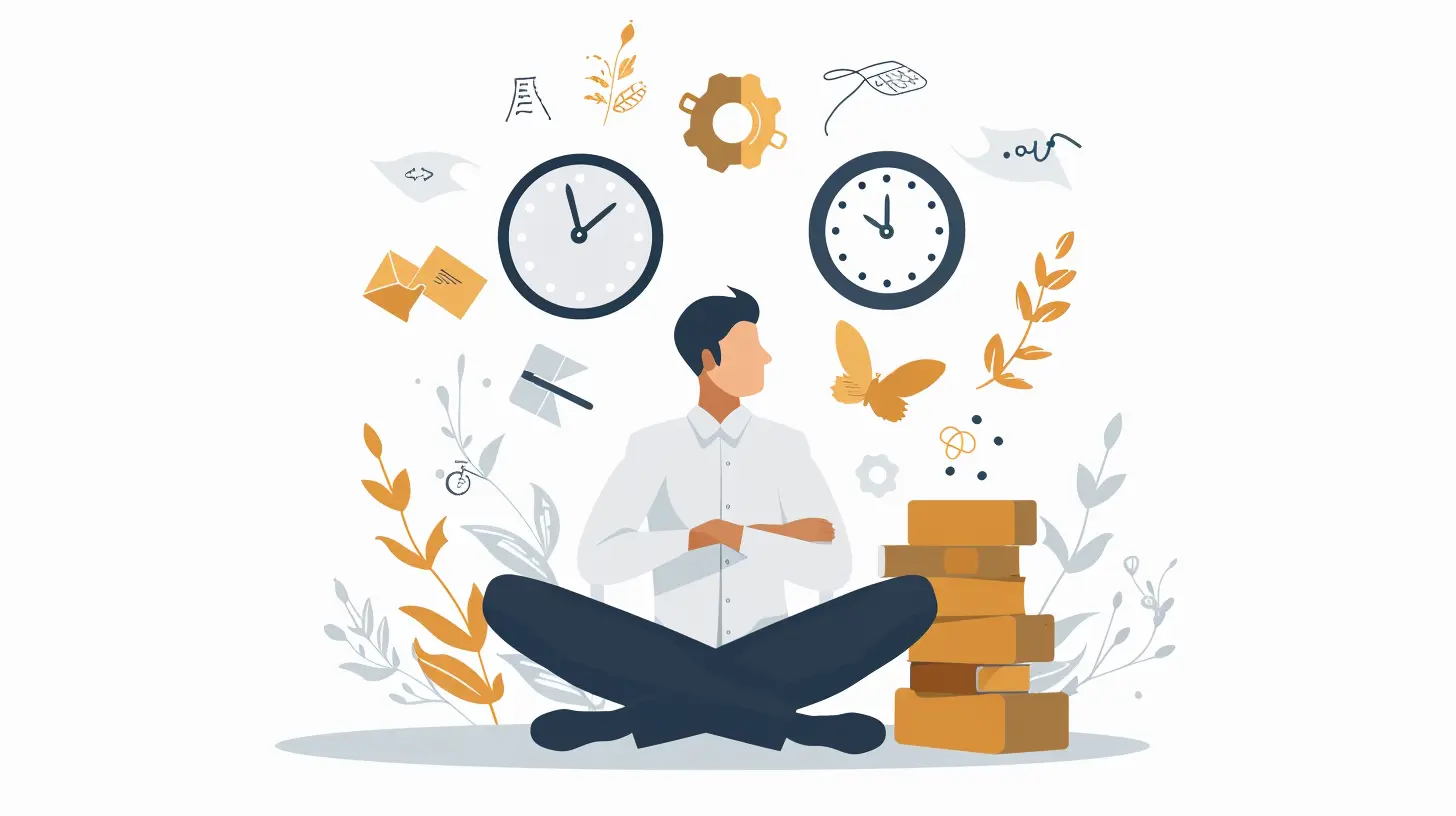
Step-By-Step Guide to Managing Stress
Let’s get into the nitty-gritty with actionable strategies you can start using today.1. Get to Know Your Triggers
Ever notice how stress shows up like clockwork before a certain event or around a specific person? That’s not a coincidence. Make a list of your biggest stressors. Are they work-related? Money issues? Relationship dramas?Knowing your triggers helps you anticipate them—and prepare.
2. Ditch the Perfectionism
Perfectionism is like a leaky faucet of stress. You think you're aiming for excellence, but really you're setting yourself up for burnout.Try this: Replace “perfect” with “done is better than perfect.” The goal is progress, not perfection. Seriously, give yourself a break.
3. Set Boundaries (Yes, You Can Say No)
One word: boundaries. They're magical. Overcommitting is a fast track to stress city. Whether it's taking on extra tasks at work or saying yes to yet another social event you dread—stop.Practice saying "no" without guilt. It’s not selfish, it’s self-care.
4. Move Your Body
Exercise isn't just about getting fit—it’s stress relief on steroids. When you move, your body produces endorphins (aka nature's mood boosters).You don’t need to become a gym rat. Try walking, dancing in your living room, yoga, or any movement you enjoy. Just get moving.
5. Practice Mindfulness and Meditation
Mindfulness is basically training your brain to be present instead of worrying about the 857 things on your plate. Meditation helps too—it’s like a reset button for your mind.Start with just 5 minutes a day. Use apps if you need help (Headspace and Calm are great options).
6. Fix Your Sleep Hygiene
You’d be surprised how much better life feels after a good night's sleep. Poor sleep and stress feed off each other, creating a vicious cycle.- Stick to a consistent bedtime.
- Avoid screens an hour before bed.
- Create a calming bedtime routine (yes, like a toddler).
7. Eat and Hydrate Smart
Stress makes you reach for junk, but that just makes things worse. Feed your body the good stuff—fruits, veggies, protein, and complex carbs. Don’t forget to hydrate! Even mild dehydration can increase cortisol (stress hormone).Tip: Avoid excessive caffeine and sugar, no matter how tempting they seem.
8. Connect With People (Even If You Feel Like Hermiting)
Isolation fuels stress. Talking to someone you trust can lighten the emotional load. And no, you don’t always need advice—just having someone listen is powerful.If you’re introverted, one-on-one chats with close friends work best. If you're struggling, consider therapy. There’s zero shame in it.
9. Engage in Hobbies and Joyful Activities
What lights you up? Painting, gardening, reading, baking? These things aren’t frivolous—they're essential. They let your brain play, and play is healing.Block out time for fun the same way you schedule meetings. Your mental health deserves it.
10. Practice Gratitude Daily
Gratitude is like a mental detox. When you focus on what’s good, your brain starts to shift away from stress and negativity.Each night, jot down 3 things you're grateful for. They don’t have to be life-changing. “Had coffee while it was still hot” totally counts.
Bonus Tips for In-The-Moment Stress Relief
Need stress relief in the middle of a meltdown? Try these quick fixes:- Box breathing: Inhale for 4 seconds, hold for 4, exhale for 4, hold for 4.
- Cold water splash: Shock your system and reset your mind.
- Grounding technique: Notice 5 things you can see, 4 you can touch, 3 you can hear, 2 you can smell, 1 you can taste. Works like a charm.
When Stress Gets Serious
Sometimes stress isn’t just a bad day—it’s chronic and debilitating. If you’re feeling hopeless, anxious all the time, or struggling to cope, it might be time to talk to a mental health professional.Therapists can help untangle what’s going on beneath the surface. There’s no shame—in fact, it’s one of the bravest things you can do.
The Takeaway: You Can Take the Power Back
Managing stress doesn’t mean eliminating it—because, let’s be real, that’s impossible. But you can definitely turn the volume down and stop stress from running your life.Start small. Pick one or two of these strategies and try them this week. Give yourself grace. Some days you’ll nail it, other days not so much. That’s okay.
Remember, stress might be part of life, but it doesn’t have to be the boss of you.
FAQs About Stress Management
How long does it take to manage stress effectively?
It depends. Some people feel better after just a few days of changes, while others need weeks or months. The key is consistency. Think of it as building a muscle—the more you practice, the stronger your stress resilience gets.Can stress ever be completely gone?
Not really, and that’s okay. Stress, in small doses, helps us stay alert and motivated. The goal isn’t to erase stress completely—it’s to manage it in healthy, balanced ways.Is therapy only for serious stress?
Absolutely not. Therapy is a tool, not a last resort. Whether your stress feels minor or major, talking to a professional can provide clarity, support, and actionable solutions.all images in this post were generated using AI tools
Category:
Self ImprovementAuthor:

Nina Reilly
Discussion
rate this article
2 comments
Dolores Lynch
Managing stress is essential for a balanced life. Techniques such as mindfulness, regular exercise, and effective time management can significantly reduce stress levels. Prioritizing self-care and setting realistic goals also contribute to improved mental well-being and overall life satisfaction.
December 20, 2025 at 3:56 AM
Nina Reilly
Thank you for your insights! I completely agree—incorporating mindfulness, exercise, and self-care into our routines is vital for achieving balance and enhancing our well-being.
Pilar Warren
Great insights! Managing stress is essential for a balanced life. I especially loved the practical tips on mindfulness and time management. Can't wait to try some of these strategies in my daily routine! Keep up the fantastic work!
December 19, 2025 at 3:27 AM
Nina Reilly
Thank you so much for your kind words! I'm glad you found the tips helpful. Wishing you success in your journey towards a balanced life!