How to Recognize the Blind Spots in Your Self-Awareness
9 August 2026
Ever feel like you're stuck in a loop of the same mistakes, or people keep pointing out things about you that just don’t seem true? It’s frustrating. You might even ask yourself, “Why can’t I see this about myself?” That’s the thing about blind spots—they're invisible to us but glaringly obvious to others.
Recognizing your blind spots isn't just about fixing what's “wrong.” It's about growing into the best, most authentic version of yourself. It's peeling away layers of ego, defense mechanisms, and habits so you can see yourself a little clearer every day. In this article, we’ll get into what mental blind spots are, why we all have them, and most importantly, how you can start identifying them without judgement or shame.
What Are Blind Spots in Self-Awareness?
Blind spots are parts of our personality, behavior, or thinking that we don’t recognize—yet they influence us consistently. Think of them like smudges on your glasses. You can't see them while you're wearing the glasses, but everyone else can spot the smudge.These blind spots aren’t necessarily flaws. They’re just parts of ourselves that we haven't fully acknowledged, often because they clash with how we like to see ourselves.
Types of Blind Spots
There are different ways these blind spots show up:- Emotional blind spots: Unacknowledged feelings like jealousy, anger, or insecurity.
- Behavioral blind spots: Habits or actions we’ve normalized, like interrupting people or avoiding conflict.
- Cognitive blind spots: Biases or assumptions we hold without questioning them.
So essentially, blind spots are like psychological “dead zones.” We keep driving, unaware of the stuff that’s dangerously close in our peripheral vision.
Why Do We Have Blind Spots?
Short answer? We’re human.Longer answer? Our minds are built to protect us and help us survive. Denial, selective attention, and unconscious patterns helped our ancestors stay alive. Today, those same mental shortcuts can work against us.
Here are a few psychological reasons blind spots exist:
- Cognitive biases like confirmation bias make us cherry-pick information that supports what we already believe.
- Defense mechanisms like repression or projection help us avoid uncomfortable truths.
- Social conditioning can shape our self-image based on what others expect from us.
And then there’s ego—our internal narrator that wants to believe we’ve got it all figured out. The ego doesn’t like being wrong.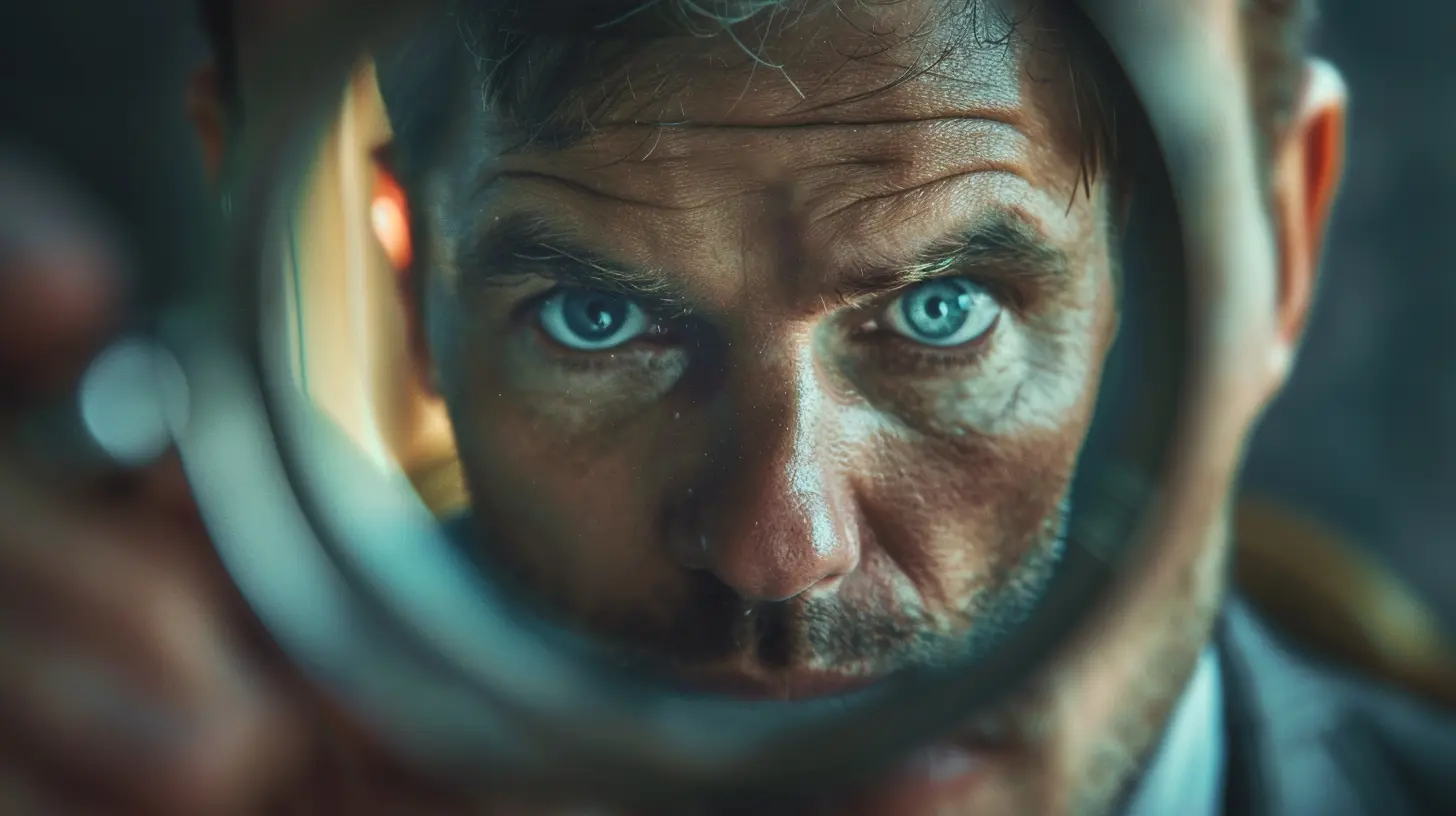
Signs You Might Have a Blind Spot
How do you know if something is in your blind spot if… well, you can’t see it?Here’s the twist: you can’t see it—but you can sense it. Sometimes, it's not about what you know; it's about what keeps showing up in your life.
1. You Hear the Same Feedback Over and Over
If friends, coworkers, or family members keep pointing out the same thing—your tone, your temper, your tendency to take over conversations—it might be time to pause. One person might be wrong, but if you’re hearing the same note from multiple people, there’s probably some truth there.2. Your Reactions Don’t Match the Situation
Ever completely overreacted to something minor? That’s a red flag. When our emotional responses are too intense or disproportionate, a blind spot may be at play. Often, it’s tied to a deeper fear, insecurity, or belief we’ve never examined.3. You Struggle with Certain Relationships
If your relationships feel strained or you keep running into the same issues with different people, it could be less about “them” and more about a pattern you're not seeing in yourself.4. You Always Play the Victim (or the Hero)
If your inner monologue always casts you as the misunderstood one, the fixer, or the martyr—take a step back. These roles can be comforting but deceptive. They can prevent you from seeing the full picture.
Why It’s Hard to Spot Blind Spots
We all know people who seem completely unaware of how they come across. But here’s the plot twist—they probably think the same about us.We don't want to see our flaws because it's painful. Admitting you've been wrong or hurtful isn’t easy. We want to think of ourselves as kind, smart, and self-aware—and challenging that identity can feel like an attack.
Add in the fact that we live in a fast-paced, performance-driven world, and we rarely slow down enough to self-reflect. Over time, that just makes our blind spots more entrenched.
And truthfully? Sometimes we do see the blind spot, but we look away because facing it would mean doing the hard work of change.
How to Start Recognizing Your Blind Spots
Okay, so how do we bring these hidden parts into the light? Here’s where it gets both challenging and empowering.1. Invite Honest Feedback
This one’s simple but powerful: ask people you trust to give you raw, honest feedback. Let them know you’re working on your self-awareness, and they’ll likely be glad to help.Ask questions like:
- “What’s something you think I don’t see about myself?”
- “Have I ever made you feel uncomfortable without realizing it?”
- “Is there a pattern you’ve noticed in my behavior that I don’t recognize?”
Pro tip: Don’t argue or defend yourself. Just listen. Let their perspective simmer.
2. Pay Attention to Your Triggers
Your emotional triggers are gold mines for self-awareness. If someone says something that makes your blood boil or leaves you in tears, ask yourself:- “What exactly about this bothered me?”
- “Have I felt this way before?”
- “Is there a story I’m telling myself here?”
Often, our strongest emotional reactions are tied to old wounds we haven’t healed.
3. Practice Self-Reflection (The Real Kind)
Journaling isn't just for teens in rom-coms. Writing things down forces you to slow down and untangle your thoughts. Try prompts like:- “What am I avoiding right now?”
- “How did I contribute to that conflict?”
- “Who am I when nobody’s watching?”
Be curious, not cruel. Compassionate self-reflection is like turning on the lights in a dark room. You don’t judge the mess; you just start cleaning up.
4. Use Mindfulness to Catch Yourself in Real Time
Mindfulness is about catching your automatic responses before they run the show. Start noticing when you:- Interrupt someone mid-sentence
- Dismiss criticism quickly
- Justify bad behavior with “that’s just how I am”
When you catch yourself in the moment, you start building a new habit of awareness.
5. Seek Therapy or Coaching
Sometimes, we’re just too close to the issue to see it clearly. A trained therapist or life coach can help you explore your blind spots without judgment. They can hold up the mirror gently and help you process what you see.This isn’t about being “broken” or “messed up.” It’s about having someone walk alongside you on the journey inward.
The Role of Self-Compassion
Here’s something important: recognizing blind spots requires grace. You’re not broken because you have blind spots. You’re human.When we uncover something unflattering about ourselves, the instinct is to criticize or shame ourselves. But that doesn't help. In fact, it makes us more likely to hide from the truth next time.
Instead, try saying this to yourself: _“I’m learning. I didn’t know before, and now I’m beginning to see.”_
Your growth doesn’t come from being perfect; it comes from being willing.
What Happens When You Start Seeing Your Blind Spots
Let’s be real. This work isn’t easy. But it’s so, so worth it. Once you start cracking open your blind spots, a few things happen:- Your relationships become more authentic and respectful.
- You make fewer decisions based on ego or fear.
- You stop repeating certain negative patterns.
- You feel lighter—honestly, there’s freedom in self-awareness.
And maybe best of all? You become someone others trust and admire—not because you’re flawless, but because you have the courage to face yourself.
Final Thoughts: Make Peace With What You Find
Recognizing your blind spots is an ongoing practice, not a one-and-done task. Think of it like cleaning your house—there will always be dust, but the more often you check in, the easier it is to keep things tidy.And remember: this isn't about becoming perfect. It's about becoming real. The more you understand yourself, the more power you have to grow, change, and show up fully in your life.
So next time life holds up a mirror and shows you something uncomfortable—don’t look away. Smile. You’ve just uncovered a new part of yourself, and that’s something worth celebrating.
all images in this post were generated using AI tools
Category:
Self AwarenessAuthor:

Nina Reilly