Recognizing the Signs of Depression in Teens
14 March 2026
Teenage years can be a rollercoaster—emotionally, physically, socially. Hormones are all over the place, friendships shift, school is stressful, and let’s not forget the pressure from social media. It’s a whirlwind, to say the least. So, when a teen seems down in the dumps, it’s easy to brush it off as “just a phase.” But is it? That’s the million-dollar question.
Let’s talk about something incredibly important, yet often overlooked: recognizing the signs of depression in teens. This isn’t just about feeling sad. We’re talking about a real mental health issue that can have long-term effects if ignored. Not to sound scary—but awareness can literally save lives.

Why Teen Depression Often Goes Unnoticed
Here’s the thing. Teens aren’t exactly known for opening up about their feelings. The “How was school today?” followed by the classic “fine” might be all you get. And with mood swings being a common part of adolescence, it’s tricky to distinguish normal teenage angst from something more serious.But let’s not let the gray area stop us from being proactive.

What Exactly Is Depression?
Before we dive into the red flags, let’s clear something up. Depression is not just feeling sad. Everyone has a bad day—teens included. Depression, on the other hand, is a persistent cloud that lingers for weeks, even months, affecting how a person thinks, feels, and functions. It messes with sleep, appetite, motivation, self-worth… basically, it hijacks your mind and body.Just like a fever can signal an infection, ongoing sadness and disinterest in life can signal depression.

Major Causes of Teen Depression
There’s no one-size-fits-all reason why a teen might become depressed. It's often a perfect storm of several things happening at once:- Biological factors – Genetics, chemical imbalances in the brain, hormonal changes.
- Environmental stress – Bullying, abuse, family conflict, academic pressure.
- Psychological makeup – Low self-esteem, perfectionism, tendency to internalize stress.
- Social isolation – Feeling left out, pressure to fit in, or being different.
Each teen is unique, and so is their experience with depression.
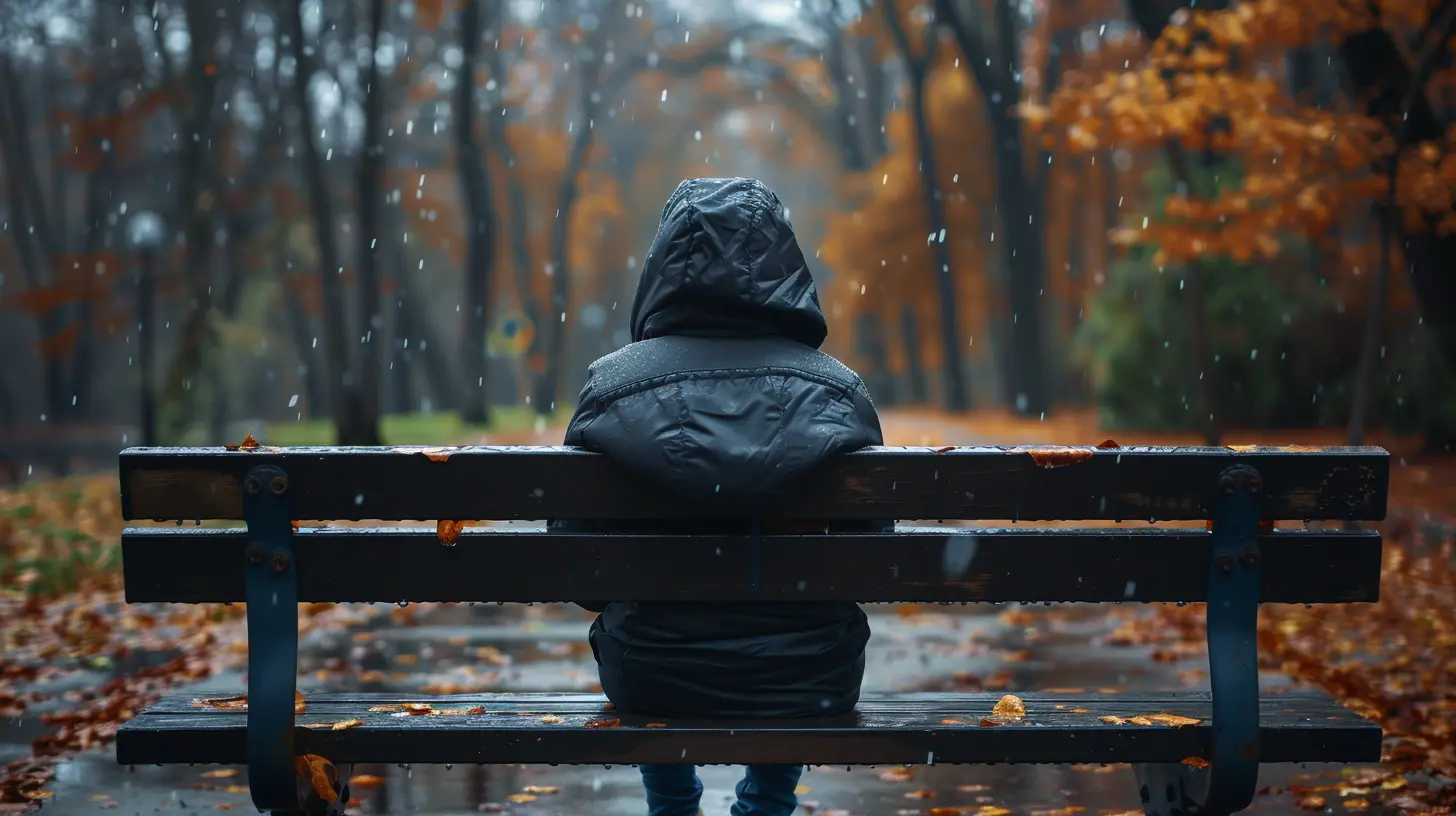
Common Signs of Depression in Teens
Now, let’s get into what really matters—recognizing the signs. These are not always loud and obvious. Often, they’re subtle, stealthy, and easy to miss if you’re not looking closely.1. Persistent Sadness or Irritability
We all get sad. But if sadness hangs around like an unwanted guest for more than two weeks, that’s a problem. Some teens won’t cry or say they feel sad—they'll lash out, be constantly irritated, or act like everyone is annoying them. Mood swings can be part of growing up, sure, but extreme and constant moodiness? That’s different.2. Loss of Interest in Activities
Is your teen suddenly uninterested in things they used to love? Dropping the guitar, quitting the soccer team, ignoring their friends? That’s not just disinterest—it can signal a deep emotional struggle. When joy disappears, it's a red flag.3. Changes in Eating or Sleeping Patterns
Eating too much or too little? Sleeping all day or struggling with insomnia? Depression throws a teen’s internal clock and appetite out of whack. Pay attention to these shifts—they’re more than just bad habits.4. Low Energy or Fatigue
If your teen seems perpetually drained, even after a full night’s sleep, something deeper might be going on. Depression saps energy like a phone app running silently in the background, draining the battery.5. Difficulty Concentrating
Are grades slipping? Constantly zoning out? Can’t finish homework or even sit still to study? That lack of focus isn’t always laziness—it could be a sign their mind is overloaded.6. Feelings of Worthlessness or Guilt
When a teen starts expressing defeatist thoughts like “I’m a failure,” “Nobody cares,” or “It’s all my fault,” take it seriously. These feelings can spiral into dangerous territory if left unchecked.7. Withdrawal from Friends and Family
It’s normal for teens to want some space, but total isolation is different. Avoiding friends, not joining family dinners, and spending too much time alone can be a sign they’re emotionally withdrawing.8. Unexplained Aches and Pains
Yes, depression can hurt—literally. Teens might complain of headaches, back pain, or stomach issues that seem to have no medical cause. What’s happening emotionally often manifests physically too.9. Decline in Academic Performance
School might start to feel impossible. If your teen’s grades are dropping without a clear reason, and they’re expressing a lack of interest in school, depression might be to blame.10. Talk of Death or Suicide
This is the biggest red flag of them all. Any talk—even if it seems like a casual or “joking” mention—about death, self-harm, or suicide should be taken very seriously. It’s not for shock value or drama—it’s a cry for help.When Is It Time to Worry?
Here’s a good rule of thumb: if the signs last more than two weeks and interfere with daily life—school, relationships, personal hygiene—then it’s time to act. Don’t second-guess your instincts. If something feels “off,” it probably is.
What Parents and Caregivers Can Do
You don’t have to be a therapist to help a struggling teen. You just need to be present, attentive, and open-minded.1. Start the Conversation
This might be the hardest part, but don’t wait for your teen to come to you. Choose a quiet time, be gentle, and say something like:_“I’ve noticed you seem a little down lately. I just want to check in—how are you really feeling?”_
You’re not prying. You’re caring. There’s a big difference.
2. Listen Without Judgment
If they open up, let them express themselves fully. Don’t interrupt. Don’t try to offer quick fixes. Just listen. Sometimes, feeling heard is the first big step toward healing.3. Seek Professional Help
If signs point to depression, don’t try to tackle it alone. A licensed therapist, psychologist, or psychiatrist can make a world of difference. Therapy isn’t just for adults—it’s a safe space for teens too.4. Promote a Healthy Lifestyle
Encourage exercise, regular sleep, nutritious foods, and meaningful social connections. These may sound cliché, but they’re powerful tools in managing mood and mental health.5. Be Patient and Supportive
Progress isn’t linear. Some days will be better than others. Celebrate the small wins and remind your teen that they’re not alone—that you’re there for the ride, no matter how bumpy it gets.What Not to Say or Do
Sometimes, even with the best intentions, we get it wrong. Here are a few things to avoid saying:- “You’re just being dramatic.”
- “Snap out of it.”
- “You have nothing to be sad about.”
- “Back in my day…”
These phrases shut the door instead of opening it. Instead, show empathy. Depression isn’t a character flaw—it’s a health issue.
Don’t Ignore Yourself, Either
Supporting a teen struggling with depression can be emotionally taxing. Make sure you check in with yourself and get support if needed. Whether it’s from a support group, a friend, or a therapist—remember, you can’t pour from an empty cup.When Immediate Help Is Needed
If your teen expresses suicidal thoughts or intentions, do not ignore it. Contact emergency services, call a crisis line, or take them to the nearest emergency room. Stay with them, remove any harmful objects, and let them know they’re not alone.Some crucial hotlines in the U.S.:
- National Suicide Prevention Lifeline: 988
- Crisis Text Line: Text HOME to 741741
Final Thoughts
Recognizing the signs of depression in teens isn’t about labeling or overreacting—it’s about paying attention. It’s about caring enough to notice, ask, and act. Teens might not show depression in obvious ways, but if you know what to look for, you can step in early and make a real difference.If your teen is struggling, remember: you don’t have to have all the answers. You just have to care, listen, and seek help. That alone can be the beginning of a brighter path.
Let’s make mental health part of the conversation—not the elephant in the room.
all images in this post were generated using AI tools
Category:
Mental Health In AdolescenceAuthor:

Nina Reilly
Discussion
rate this article
2 comments
Gideon McFadden
This article effectively highlights the subtle signs of depression in teens, emphasizing the importance of awareness and open communication. However, it could further explore the impact of social media on mental health, a crucial factor in contemporary adolescent experiences.
April 2, 2026 at 3:50 AM
Nina Reilly
Thank you for your feedback! I agree that social media's role in mental health is vital and appreciate the suggestion. It's an important topic to explore further.
Valentina Benton
This article provides essential insights into identifying depression in teenagers. By understanding key signs and behaviors, parents and educators can offer timely support, fostering a healthier emotional environment for youth. Great read!
March 15, 2026 at 5:04 AM
Nina Reilly
Thank you for your kind words! I'm glad you found the article helpful in supporting teens' mental health.