Teaching Children the Art of Self-Compassion
6 May 2026
Self-compassion isn't just for grown-ups. Imagine if kids could talk to themselves with the same kindness they show a friend. Sounds amazing, right? Yet, in today’s world, children are taught to hustle, compete, and be the best—but what about being kind to themselves?
Let’s break it down and see why self-compassion is a game-changer for kids, how we can teach it, and why every child should master this essential life skill. 
Why Is Self-Compassion So Important for Kids?
We all know that childhood isn't always sunshine and rainbows. From school pressures to social struggles, kids face a lot. And without self-compassion, they can quickly become their own worst critics.When children learn to be kind to themselves, they:
✅ Develop stronger emotional resilience
✅ Handle failures and mistakes without crumbling
✅ Foster a sense of self-worth beyond achievements
✅ Build healthier relationships with others
✅ Reduce stress and anxiety
Think about it—if we, as adults, struggle with self-criticism, imagine how overwhelming it must be for a child who hasn’t yet developed the tools to cope. That’s why teaching self-compassion now can change the game for them! 
The 3 Core Elements of Self-Compassion
According to self-compassion expert Dr. Kristin Neff, self-compassion has three key elements:1. Self-Kindness Over Self-Criticism
Kids must learn that making mistakes doesn’t mean they are failures. Teaching them to replace harsh self-judgment with kindness is crucial. Instead of saying, _“I’m bad at math,”_ encourage them to say, _“I’m still learning math, and that’s okay.”_2. Common Humanity Over Isolation
Nobody is perfect, and failure is part of life. When children feel they’re the only ones struggling, they isolate themselves. Instead, teaching them that everyone faces challenges helps them feel connected rather than alone.3. Mindfulness Over Over-Identification
Children often get lost in their emotions. A bad grade can feel like the end of the world. Teaching mindfulness helps them observe their feelings without being consumed by them. They learn that thoughts are just thoughts—not absolute truths.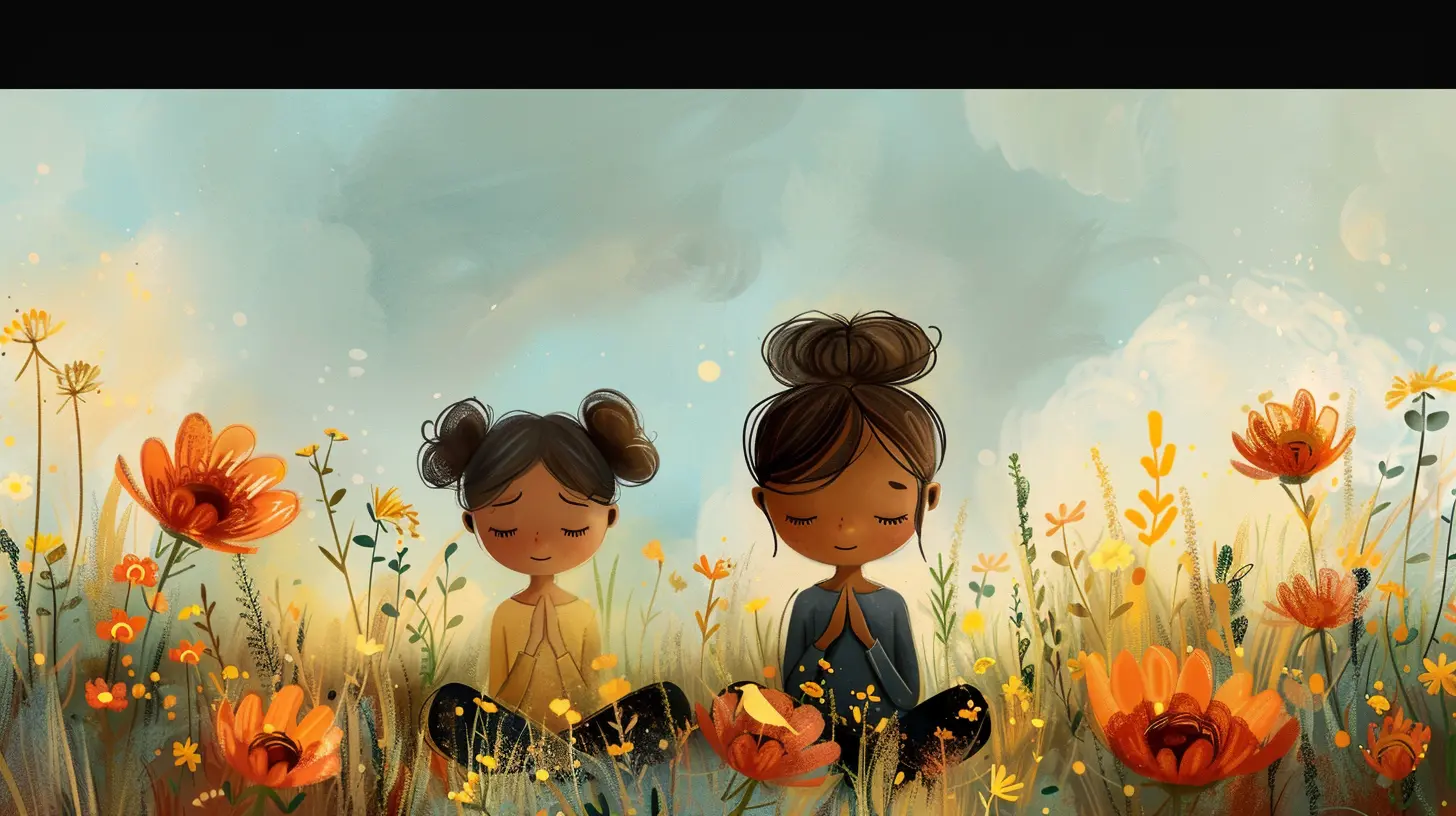
How to Teach Kids Self-Compassion (Without Sounding Cheesy)
Teaching kids to be kind to themselves isn’t about giving them participation trophies or making life easy. It’s about helping them build an inner voice that supports rather than sabotages.Here’s how you can do it:
1. Model Self-Compassion Yourself
Kids are sponges. If they see you beating yourself up over a mistake, they’ll do it too. When you mess up, say things like:👉 _“I made a mistake, but that’s how we learn.”_
👉 _“I’m frustrated, but I’m trying my best.”_
This shows them that self-compassion is a normal and healthy response.
2. Teach Them Positive Self-Talk
The way kids talk to themselves matters. If they say, _“I’m terrible at this,”_ ask them, _“Would you say that to a friend?”_ Probably not!Encourage them to talk to themselves like they would to someone they love.
3. Normalize Mistakes
Failure isn’t the enemy—self-criticism is. Share stories about successful people who failed before succeeding.Tell them how J.K. Rowling got rejected multiple times before publishing Harry Potter or how Michael Jordan was cut from his high school basketball team.
Mistakes don’t define us. How we respond to them does.
4. Use Books and Stories
Stories are powerful teachers. Books like The Invisible String by Patrice Karst (which teaches connection) or The Dot by Peter H. Reynolds (which encourages growth) can help kids grasp self-compassion concepts.5. Introduce the Power of "Yet"
Instead of saying, _“I can’t do this,”_ teach them to say, _“I can’t do this… yet.”_ That tiny word makes a huge difference! It shifts their mindset from defeat to growth.6. Encourage Journaling and Gratitude
Journaling helps kids process their emotions. A simple _“three good things”_ journal where they write three things they did well or appreciated each day can boost their self-compassion.7. Practice Self-Compassion Exercises
Here are a few hands-on exercises that work wonders:🔵 The Self-Compassion Break – Teach them to place a hand on their heart and say, _“This is a tough moment, but I will be kind to myself.”_
🟢 Letter to a Friend – Ask them to write advice to a friend feeling the way they do. Then, have them read it back—to themselves.
🔴 Breathing Through Tough Moments – Teach belly breathing when they feel overwhelmed. Breathing deeply helps reset their emotions. 
Self-Compassion vs. Self-Esteem: What’s the Difference?
Many people mix up self-compassion with self-esteem, but they’re not the same.📌 Self-esteem is about feeling good when you succeed.
📌 Self-compassion is about being kind to yourself even when you fail.
Self-esteem is conditional—it depends on achievements. Self-compassion is unconditional—it’s there no matter what. Teaching kids self-compassion ensures they don’t tie their worth to external success.
What Happens When Kids Lack Self-Compassion?
Without self-compassion, kids may:❌ Develop perfectionist tendencies
❌ Fear failure to the point of avoiding challenges
❌ Struggle with anxiety and self-doubt
❌ Have trouble bouncing back from setbacks
In the long run, a lack of self-compassion can turn into chronic stress and even depression. That’s why instilling this skill early on is so crucial.
Final Thoughts: Raising Self-Compassionate Kids
Teaching children the art of self-compassion isn’t a one-time lesson—it’s a journey. It starts with the small things: the words we use, the way we react to mistakes, and the guidance we provide.When children grow up knowing they are worthy of kindness—not just from others, but from themselves—they step into the world with resilience, confidence, and genuine happiness.
So, next time your child says, _“I’m not good at this,”_ remind them: _“You’re still learning, and that’s okay.”_ Because, at the end of the day, self-compassion is the true superpower that will carry them through life.
all images in this post were generated using AI tools
Category:
Self CompassionAuthor:

Nina Reilly
Discussion
rate this article
1 comments
Alexa McKeever
Teaching kids self-compassion is like giving them a superhero cape. It helps them bounce back from setbacks and be kinder to themselves. Every little bit counts... so let's start!
May 10, 2026 at 4:07 AM
Nina Reilly
Absolutely! Self-compassion is a powerful tool for resilience. Every step we take helps shape kinder, stronger kids. Let's keep the conversation going!