The Connection Between Mindfulness and Self-Compassion
21 June 2026
Ah, mindfulness and self-compassion—two buzzwords that have taken over self-help books, wellness blogs, and every third post on your Instagram feed. But let’s be honest, most of us still have no idea what they actually mean beyond the vague notion of “being nice to yourself.”
So, let’s break it down, shall we? How does mindfulness—aka the art of paying attention without spiraling into existential dread—connect with self-compassion, which is basically giving yourself the same kindness you pretend to give others? Buckle up because we’re about to get real about why these two are a match made in psychological heaven.

What Even Is Mindfulness?
Before we start throwing around fancy jargon, let’s make sure we’re on the same page. Mindfulness is essentially paying attention to the present moment, without judging yourself for every single thought that pops up (yes, even that embarrassing memory from middle school).It’s not about attaining some kind of Zen monk status where your brain is an empty void of stillness. It’s about noticing your mental chaos and saying, “Huh, interesting,” instead of, “OMG, my life is a disaster.”
Mindfulness teaches you to:
- Stop obsessing over the past (because no, rethinking that awkward conversation won’t change it).
- Quit stressing about the future (because guess what? Worrying won’t magically prepare you for every possible outcome).
- Just be in the moment (even if the moment is you eating an entire pizza alone on a Friday night).
Now, you might be thinking, “Cool, but what does this have to do with self-compassion?” Oh, I’m glad you asked.

Self-Compassion: Being Nice to Yourself (For Once)
Self-compassion is treating yourself like you would treat a friend—assuming you’re not a terrible friend, of course.Most of us have mastered the art of self-criticism. Forgot to send an email? “Ugh, I’m so stupid.” Made a mistake at work? “Great, now everyone knows I’m a fraud.” Ate a second (okay, third) slice of cake? “I have zero self-control.”
Would you ever say this nonsense to your best friend? No, because they’d probably slap you. So why do we talk to ourselves like we’re our own worst enemy?
Self-compassion flips the script:
- Instead of, “I suck at everything,” you say, “Okay, I messed up, but I’m human, not a malfunctioning robot.”
- Instead of, “I don’t deserve kindness,” you say, “Why do I only give compassion to others but not myself?”
- Instead of, “I failed, so I’m a failure,” you say, “Failing at something doesn’t define my entire existence.”
But here’s where mindfulness and self-compassion become BFFs.
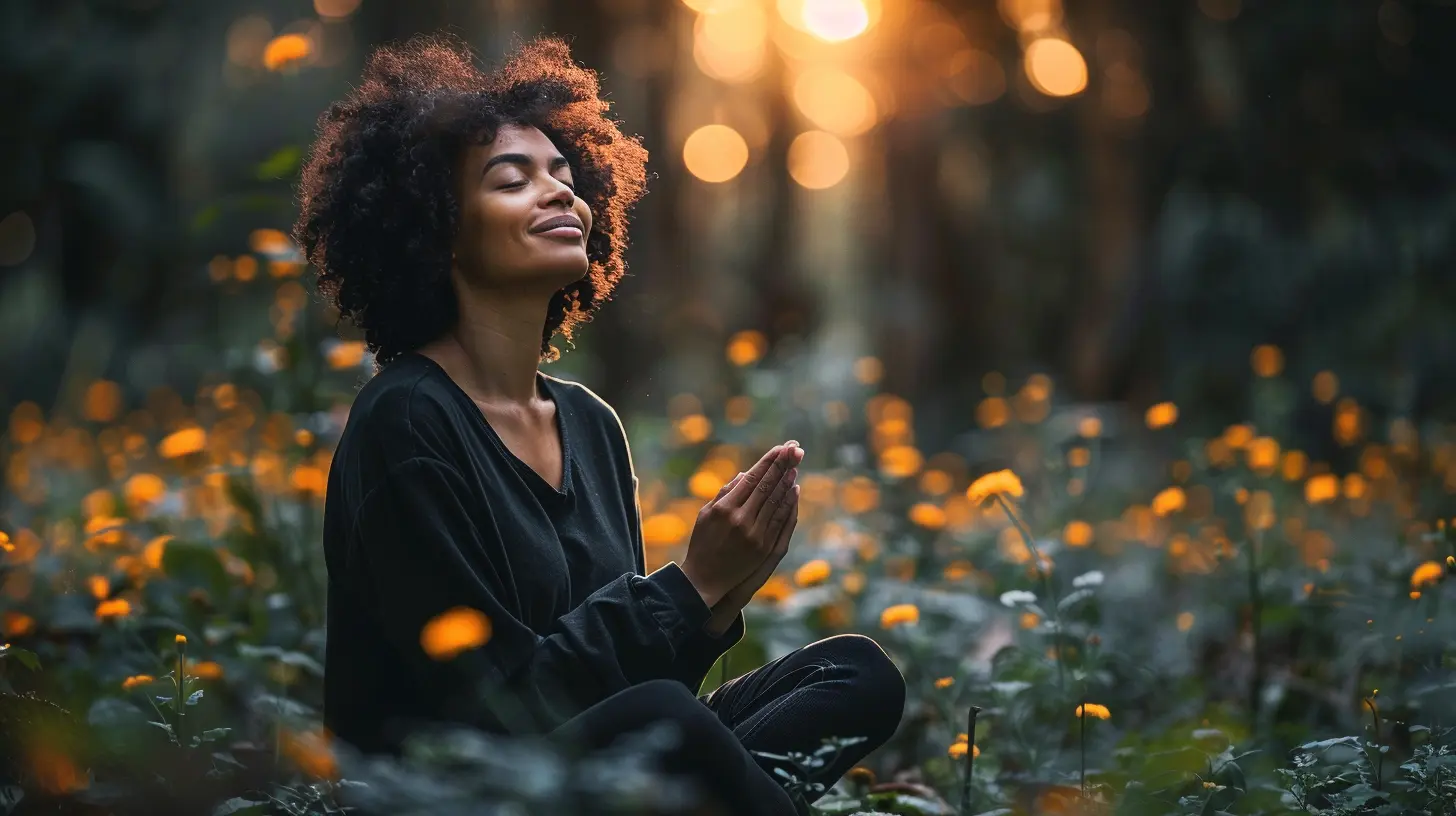
How Mindfulness and Self-Compassion Work Together
Mindfulness and self-compassion go together like peanut butter and jelly—or like coffee and the desperate need for caffeine-fueled survival. One doesn’t really work without the other.1. Mindfulness Helps You Notice Your Inner Bully
You can’t practice self-compassion if you don’t even realize how mean you are to yourself. And that’s where mindfulness steps in.Mindfulness teaches you to pause and recognize when your inner dialogue starts turning into a full-blown roast session. Instead of unconsciously beating yourself up, you think, “Wow, I’m being really harsh right now.” That awareness? That’s the first step in changing the script.
2. Self-Compassion Softens the Blow
Say mindfulness makes you aware of how self-critical you’ve been. Great! But what do you do next? Just acknowledging it isn’t enough. That’s where self-compassion comes in.Instead of spiraling into, “I suck for being so mean to myself,” you pause and say, “Okay, I’ve been a little harsh. Maybe I should talk to myself like I would to a friend.”
Mindfulness is the flashlight that helps you see the mess in your head, and self-compassion is the broom that helps you tidy it up.
3. Together, They Stop You From Drowning in Negativity
Let’s be real—life is messy. You’ll make mistakes, face rejection, and have days where everything feels like an uphill battle. But mindfulness and self-compassion can keep you from falling into the quicksand of self-doubt.Mindfulness reminds you to be present and acknowledge your struggles without catastrophizing them. Self-compassion reminds you that struggling doesn’t make you weak; it makes you human. When combined, they help you face hardships without completely losing your mind.

The Science Behind It (Because Yes, There’s Proof)
If you need cold, hard scientific validation before you start taking this seriously, don’t worry—psychologists have been on this for a while.Dr. Kristin Neff, one of the leading researchers in self-compassion, has found that practicing self-compassion leads to lower stress levels, reduced anxiety, and less depression. Wow, who knew being nice to yourself could actually make you feel better?
Meanwhile, studies on mindfulness have shown that it rewires the brain (yep, literally). The more you practice mindfulness, the stronger your prefrontal cortex (the part of your brain responsible for emotional regulation) gets. In other words, you become less reactive and more resilient.
So, science has confirmed what every wise old monk already knew—being present and kind to yourself actually works.
Practical Ways to Practice Both (Without Moving to a Monastery)
Okay, so we’ve established that mindfulness and self-compassion are basically superhero sidekicks for your mental health. But how do you start practicing them without completely overhauling your life?1. Start with Mindful Breathing
Before you roll your eyes—yes, I know, breathing is kind of a given. But really pay attention to your breath. Take slow inhales and exhales, and actually notice how it feels. It’s like pressing a reset button for your brain.2. Call Out Your Inner Critic
Next time you catch yourself in a spiral of self-blame, pause. Would you say this to a friend? If not, rephrase it in a kinder way. Because let’s be real, you wouldn’t tell your friend they're a failure over one mistake.3. Practice Self-Compassion Breaks
Whenever you feel overwhelmed, stop and ask yourself:- Mindfulness: What am I feeling right now?
- Common Humanity: Everyone struggles—I'm not alone in this.
- Self-Kindness: What would I say to a friend in this situation?
4. Journal Without Judgment
Write down your thoughts, but instead of analyzing them like a detective solving a murder mystery, just observe them. No judgment. No overthinking.5. Give Yourself Permission to Rest
Newsflash: You don’t have to earn rest. Resting doesn’t make you lazy, it makes you a functioning human. So, take a break without guilt-tripping yourself.
Final Thoughts
Mindfulness and self-compassion are like the dynamic duo you didn’t know you needed. One helps you see what’s actually going on in your mind, and the other ensures you don’t turn into your own worst enemy in the process.So, next time you catch yourself drowning in self-criticism, take a deep breath and remind yourself: You deserve the same kindness you so easily give to others. And no, you don’t have to meditate on a mountaintop to make it happen—just start with one kinder thought at a time.
all images in this post were generated using AI tools
Category:
Self CompassionAuthor:

Nina Reilly
Discussion
rate this article
1 comments
Caroline Cruz
Mindfulness fuels self-compassion; embrace both for true inner growth and resilience.
June 22, 2026 at 3:15 AM
Nina Reilly
Absolutely, mindfulness and self-compassion are key to fostering genuine growth and resilience. Embracing both can truly transform our inner landscape.