The Connection Between Physical Health and Mental Well-Being
26 February 2026
Imagine your body and mind as two best friends going on a journey together. If one stumbles, the other has to pick up the slack. When you’re physically healthy, your mind buzzes with energy and focus. Conversely, when your mental well-being is robust, your body often feels lighter, and every task seems just a bit easier. But when that balance gets disrupted, things can start to fall apart quickly. It’s this profound yet often subtle connection between physical health and mental well-being that we’ll dive into today, exploring how our physical state profoundly affects our mental life and vice versa.
Surprised? Don’t be. Our bodies and minds are more connected than we often realize!

The Body-Mind Bond: More Than You Think
It’s no secret that physical health affects mental well-being — and vice versa. But do we really grasp the depth of this relationship? It’s not just about feeling good after a workout or experiencing a mood boost from a healthy meal. This connection runs deep, influencing our moods, thoughts, emotions, and even our overall approach to life.Think of it this way: if your body is the engine of a car, your mental health is the driver. The engine powers the car, but the driver determines the direction. If one functions poorly, the whole journey becomes rough.
The Science Behind the Connection
Research shows a clear correlation between physical health and mental well-being. Conditions such as chronic illness, obesity, or nutritional deficiencies don't just wear down the body; they put huge stress on the mind. Similarly, stress, anxiety, or depression weigh on both your emotions and your physical health.Consider this: when you’re stressed or anxious, your body releases cortisol — a hormone that prepares you for a "fight or flight" response. Helpful in small doses, but over time, high cortisol levels can wreak havoc on your physical health. Increased blood pressure, a weakened immune system, digestive issues, and even heart problems can result. Have you ever noticed that stress gives you stomachaches or headaches? That’s your body waving a red flag, reminding you how intricately linked your mental and physical states are.
On the flip side, when you’re physically active and taking care of your body, your brain produces endorphins — those feel-good chemicals that reduce pain and create a feeling of happiness. Whether it’s from a jog in the park, a yoga class, or a simple walk, your mood tends to brighten, and your mind feels clearer.
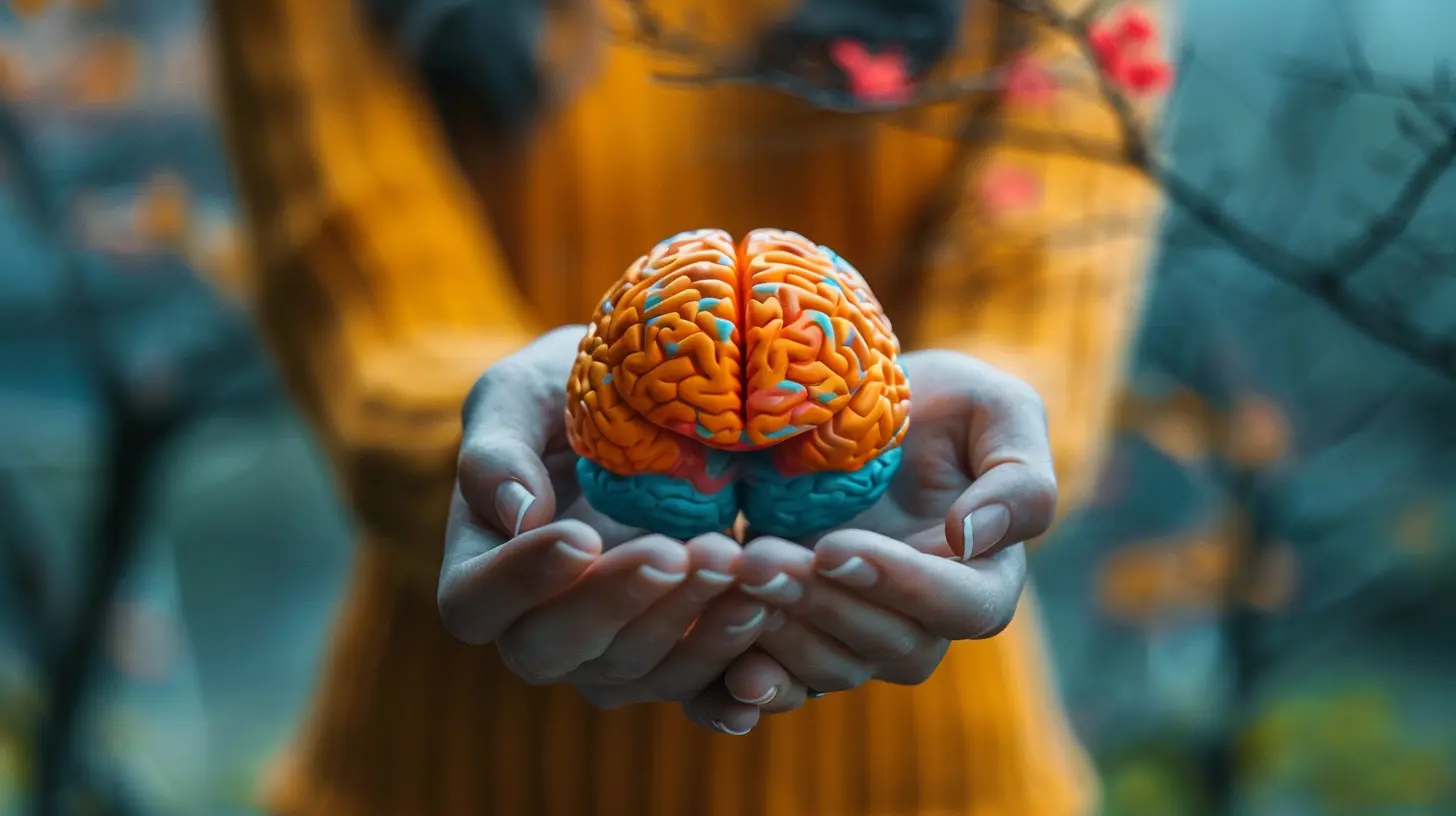
Physical Health’s Impact on Mental Well-Being
So, how exactly does physical health impact your mental well-being? Let’s break it down into a few key components.1. Exercise: A Natural Mood Booster
We’ve all heard it before — exercise is great for your body, but it’s a powerhouse for your mind as well.Regular physical activity stimulates the production of important neurotransmitters like serotonin, dopamine, and norepinephrine in your brain, which directly affect your mood. These are basically your brain’s natural antidepressants, keeping your spirits lifted. Additionally, exercise helps reduce stress hormones such as cortisol, offering a significant mental boost.
Ever gone for a run and immediately felt better afterward? Or finished a workout that seemed to melt the day's worries away? This isn’t just coincidence! This uplift in mood, often referred to as the “runner’s high,” is science at work. Exercise can actually be just as effective as some medications for treating anxiety and mild-to-moderate depression.
Plus, the benefits don’t stop there. Exercise also improves sleep quality, increases energy levels, and enhances cognitive function. It’s like hitting the "refresh" button for your mind.
2. Nutrition: Food for Thought
What’s on your plate can largely dictate what’s on your mind. Nutrition plays a vital role in mental health, but this is often overlooked. The nutrients we ingest directly affect how well our brain functions.Certain foods can stabilize mood, improve memory, and sharpen focus. For instance, omega-3 fatty acids found in fish like salmon are linked to lower rates of depression and anxiety. Fruits and vegetables, rich in antioxidants, help protect the brain from oxidative stress, which can lead to cognitive decline.
Conversely, a diet high in processed foods, sugar, and unhealthy fats can impair brain function and contribute to depression, anxiety, and brain fog. You know that sluggish feeling after indulging in fast food? Your brain is feeling it too.
3. Sleep: The Ultimate Reset Button
Sleep and mental health have a love-hate relationship. When you’re stressed or anxious, it’s harder to sleep. But not getting enough sleep will only make your mental state worse. It’s a vicious cycle.Chronic sleep deprivation doesn’t just lead to irritability or poor concentration. Over time, it can lead to long-term mental health problems like depression and anxiety. Your brain uses sleep to recharge itself, process emotions, and consolidate memories. Without it, your mental clarity and emotional resilience plummet— it’s like trying to function on low battery.
Not getting enough sleep also impacts physical health: from weakening the immune system to increasing the risk of heart disease. Physical and mental health can both suffer when sleep is neglected.
4. Chronic Illness: A Mental Struggle
Living with a chronic illness can be both physically and mentally draining. Conditions like diabetes, heart disease, and chronic pain wear down not just your body but your spirit too. The constant management of symptoms, doctor’s visits, and lifestyle adjustments can lead to frustration, anxiety, and depression.In fact, the two often come hand in hand. Studies have shown a higher incidence of depression in people suffering from chronic illnesses — a reminder that when the body is persistently struggling, the mind is impacted as well.

Mental Well-Being’s Impact on Physical Health
It’s not a one-way street. Just as poor physical health can affect the brain, mental well-being — or lack thereof — can have a profound effect on the body.1. Stress: The Silent Killer
Stress is one of the most well-known examples of how mental health can drastically affect physical health. Chronic stress can lead to high blood pressure, digestive issues, weakened immunity, and even heart disease. Stress puts the body into "fight or flight" mode. This is great if you’re about to face a predator in the wild, but not so great when it’s just daily stress over work deadlines or life challenges. Over time, this constant stress response exhausts your body.2. Anxiety and Depression: Physical Symptoms
Anxiety and depression aren’t just mental health conditions — they often come with a range of physical symptoms. Fatigue, muscle tension, headaches, nausea, and even chronic pain are not uncommon in individuals struggling with these mental health disorders. These symptoms can create a feedback loop, where the physical discomfort worsens the mental struggle, and vice versa.In severe cases, untreated mental health issues can even lead to a decline in overall physical care. Those struggling with depression, for example, may neglect personal hygiene, proper nutrition, or regular medical check-ups, further exacerbating physical health problems.
3. The Immune System and Mental Health
Another overlooked way mental health impacts physical health is through the immune system. Feeling chronically stressed or anxious can suppress your immune function, making you more vulnerable to infections and diseases. And when you’re sick all the time, that can certainly take a toll on both your mind and body.Mental well-being isn’t just about reducing illness, though. People with strong mental health tend to take better care of their bodies. They exercise more regularly, eat healthier, and sleep better — all of which contribute to optimal physical health.

The Mind-Body Circuit: How to Create Balance
So, how do you strengthen the connection between your physical and mental health? It starts with balance. Here are a few strategies to keep both your body and mind in tip-top shape:1. Exercise Regularly
You don’t need to run a marathon to reap the benefits. Simple activities like walking, yoga, or swimming can vastly improve both physical health and mental well-being. Just get moving!2. Eat a Balanced Diet
Eating whole, nutritious foods feeds both your body and mind. Incorporate fruits, vegetables, whole grains, lean proteins, and healthy fats into your meals. Your brain will thank you.3. Prioritize Sleep
Sleep is crucial for mental and physical recovery. Set a regular sleep schedule, create a calming bedtime routine, and aim for 7-9 hours of good-quality sleep each night.4. Practice Mindfulness or Meditation
Activities like mindfulness, meditation, or deep-breathing exercises can reduce stress, improve focus, and create a stronger connection between your mind and body.5. Seek Professional Help When Needed
Don’t be afraid to reach out to a healthcare professional if you’re struggling with mental health or a chronic illness. Therapy, counseling, and medical treatment can make a huge difference.Conclusion: The Powerful Cycle of Wellness
In the grand scheme of things, physical health and mental well-being are not separate entities. They're interconnected parts of who we are. Neglecting one will undoubtedly affect the other. Conversely, when we nurture both, we set ourselves up for a life filled with vitality, balance, and happiness.So, take care of your body, and your mind will benefit. Likewise, tend to your mental well-being, and your body will follow suit. After all, when both the engine and the driver are working harmoniously, you’re bound to enjoy the ride.
all images in this post were generated using AI tools
Category:
Self ImprovementAuthor:

Nina Reilly
Discussion
rate this article
2 comments
Idris Sheppard
This article compellingly highlights the intricate link between physical health and mental well-being. It underscores how regular exercise, a balanced diet, and adequate sleep not only enhance physical fitness but also significantly boost mood and cognitive function. Prioritizing physical health can lead to improved mental resilience and overall quality of life.
March 19, 2026 at 4:43 PM
Nina Reilly
Thank you for your thoughtful comment! I'm glad you found the connection between physical health and mental well-being compelling. Prioritizing these aspects truly does enhance our overall quality of life.
Charlotte Estes
This article beautifully highlights the vital link between physical and mental health. Prioritizing both can lead to a more fulfilling life. Great insights for self-care!
February 26, 2026 at 4:01 PM
Nina Reilly
Thank you for your kind words! I'm glad you found the insights valuable for self-care. Prioritizing both aspects truly is essential for overall well-being.