The Fear of Being Wrong: How It Shapes Our Beliefs
7 July 2026
Have you ever hesitated to speak up in a meeting, even though you had an idea bubbling inside you? Or maybe you've held back from sharing your opinion in a debate, fearing you might be wrong? You're not alone. The fear of being wrong is something almost all of us experience at some point in life. It’s that little voice in the back of your head saying, "What if I’m wrong, and everyone finds out?" This fear doesn’t just affect how we interact with others; it can deeply influence the very beliefs we hold.
In this article, we’ll explore how the fear of being wrong shapes our beliefs, why it’s such a powerful force, and what we can do to break free from its grip. So, buckle up, because we’re about to dive deep into the human psyche.

What Exactly Is the Fear of Being Wrong?
First things first—what do we mean by the "fear of being wrong"? It’s more than just a mild concern that you might mess up. It's an overwhelming anxiety that can paralyze you into inaction, silence, or worse, self-deception.Imagine you're playing a board game, and you're about to make a move. You hesitate. You start overthinking every possible outcome. What if you make the wrong move? What will the others think? What if you lose because of this one decision? That feeling of dread is a small glimpse of what we’re talking about.
But when it comes to our beliefs, the stakes feel much higher. Beliefs are often tied to our identity, our worldview, and even our personal sense of morality. Being wrong about something significant can feel like a fundamental failure, shaking the very core of who we are.
Why Are We So Afraid of Being Wrong?
The fear of being wrong is deeply rooted in our psychology, and there are several reasons why it’s so powerful.1. Social Pressure and Judgment
Humans are social creatures, and we care immensely about what others think of us. From an evolutionary standpoint, being wrong could mean exclusion from the group, which, in ancient times, could be a life-threatening situation. Although society has evolved, our brains still carry that ancient wiring.In today’s world, being wrong can lead to social embarrassment or even public shaming, especially in the age of social media. The fear of being judged or ridiculed can prevent us from expressing opinions or acknowledging errors.
2. Cognitive Dissonance
Ever heard of cognitive dissonance? It’s that uncomfortable feeling we get when we hold two conflicting beliefs or when our actions don’t align with our beliefs. Imagine you’ve always thought of yourself as an eco-conscious person, but then you realize you’ve been using plastic water bottles for years. That little twinge of guilt? That’s cognitive dissonance at work.To avoid that unpleasant feeling, we often double down on our beliefs, even when faced with evidence that contradicts them. Admitting that we’re wrong can force us to confront this dissonance head-on, which most of us would rather avoid.
3. Ego and Identity
Our beliefs are often intertwined with our identity. They help us define who we are and how we see the world. When we’re wrong about something important, it can feel like an attack on our very sense of self. Admitting that we’ve been wrong requires humility and a willingness to let go of the ego—something that doesn’t come naturally to most of us.Being right, on the other hand, feels good. It validates our sense of self-worth and competence. It’s like getting an invisible pat on the back. So, we cling to our beliefs, even when there’s mounting evidence that we might be wrong.

How the Fear of Being Wrong Affects Our Beliefs
Now that we’ve explored why we’re so afraid of being wrong, let’s take a closer look at how this fear shapes the beliefs we hold.1. Confirmation Bias: Seeking What We Want to Hear
Have you ever noticed yourself scrolling through social media, nodding along to articles or posts that align perfectly with what you already believe? That’s confirmation bias in action. It’s the tendency to search for, interpret, and recall information that confirms our pre-existing beliefs.When we’re scared of being wrong, confirmation bias becomes our best friend. We subconsciously seek out information that supports our views and ignore or dismiss anything that contradicts them. This selective attention to information helps us avoid the uncomfortable realization that we might be wrong.
2. Groupthink: Going Along with the Crowd
There’s a saying: "The nail that sticks out gets hammered down." Sometimes, the fear of being wrong pushes us to conform to the beliefs of the group, even when we internally disagree. This is called groupthink.In groupthink, we prioritize harmony and consensus over critical thinking and independent judgment. The fear of standing out or being the lone dissenter can make us suppress our true beliefs, convincing ourselves that the group must be right.
3. Defensiveness and Rationalization
When confronted with evidence that challenges our beliefs, our natural instinct is often to get defensive. Instead of considering the possibility that we might be wrong, we dig in our heels and come up with reasons to justify our stance. This is called rationalization.For example, let’s say someone presents you with data that contradicts a long-held belief of yours. Instead of engaging with the data, you might focus on discrediting the source or finding flaws in the argument, even if those flaws are minor. This is a way of protecting your ego from the uncomfortable possibility of being wrong.
4. Echo Chambers: Living in a Bubble
Thanks to the internet, it’s easier than ever to surround ourselves with people who think just like us. Social media algorithms are designed to show us content that aligns with our interests and beliefs, which can create echo chambers.In an echo chamber, our beliefs are constantly reinforced by the people and information around us. This can make it even harder to acknowledge that we might be wrong, as we rarely encounter opposing viewpoints.

Why Acknowledging That You’re Wrong Is So Hard
If the fear of being wrong shapes our beliefs so profoundly, why is it so hard to admit when we’re wrong? The answer lies in a combination of psychological factors.1. Loss of Face
Admitting that you’re wrong often feels like losing face. It’s like standing in front of a crowd and saying, “Hey, I messed up.” That vulnerability can be terrifying, especially in a culture that often equates being wrong with weakness or incompetence.2. Sunk Cost Fallacy
Sometimes, we stick with a belief simply because we’ve invested so much time and energy into it. This is known as the sunk cost fallacy. We think, “I’ve believed this for so long; I can’t back down now!” But the truth is, sticking with a belief just because you’ve held it for a long time can prevent growth and self-improvement.3. Overconfidence Bias
Overconfidence bias is the tendency to overestimate our knowledge and abilities. This bias can make it harder for us to recognize when we’re wrong because we believe we’re more knowledgeable or skilled than we actually are. Ironically, the more confident we are in our beliefs, the less likely we are to question them.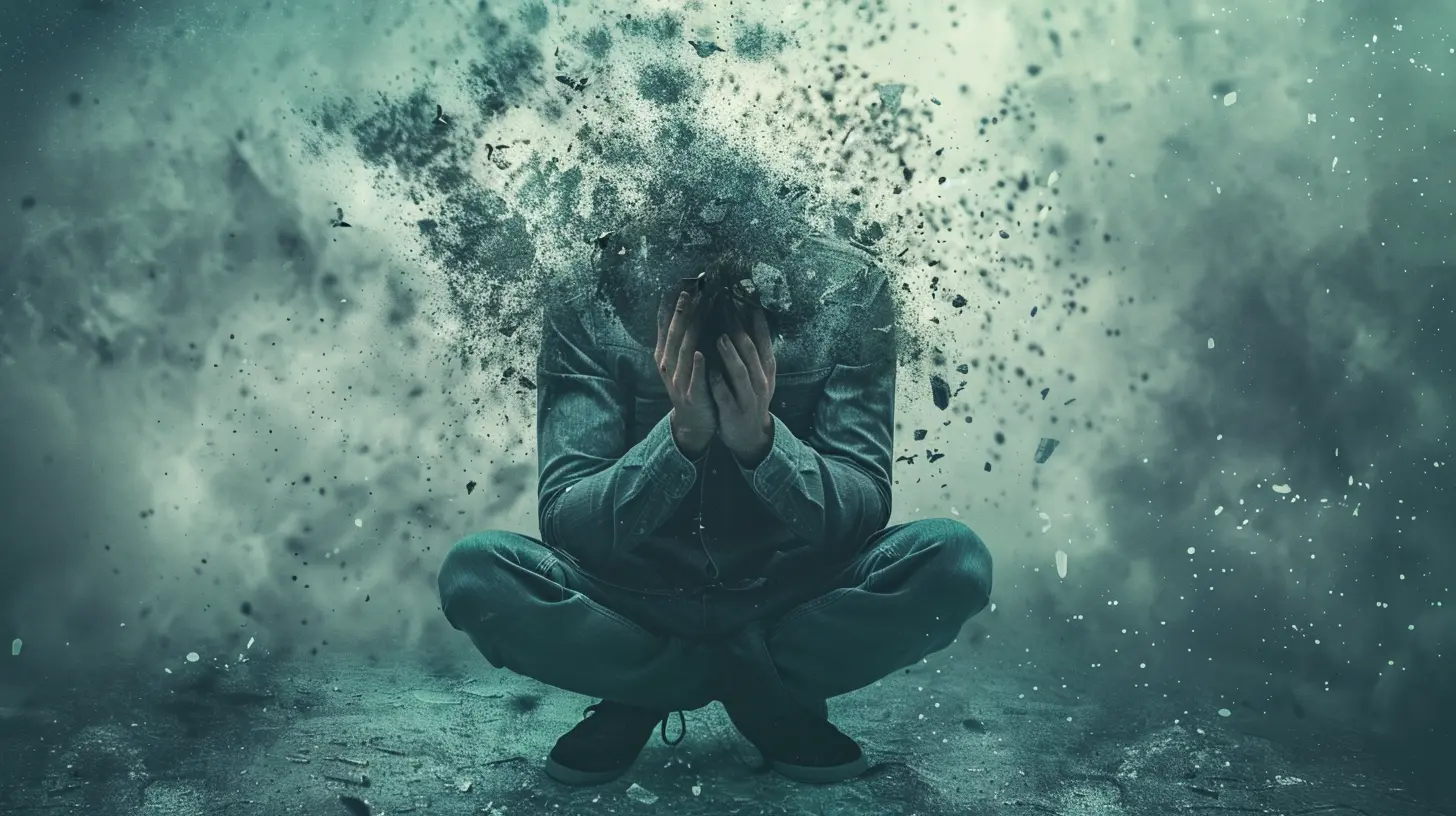
How to Overcome the Fear of Being Wrong
So, how do we overcome the fear of being wrong and open ourselves up to new ideas and perspectives? It’s not easy, but it’s possible with some deliberate effort.1. Embrace a Growth Mindset
One of the most powerful ways to combat the fear of being wrong is to adopt a growth mindset. This means viewing mistakes and failures as opportunities to learn and grow, rather than as reflections of your worth or intelligence.When you have a growth mindset, being wrong isn’t the end of the world—it’s just another step on the path to self-improvement.
2. Practice Intellectual Humility
Intellectual humility is the ability to recognize the limits of your own knowledge and to be open to the possibility that you might be wrong. It requires a willingness to listen to others, ask questions, and reconsider your beliefs in the face of new evidence.While it can be uncomfortable, practicing intellectual humility can help you become a more open-minded and thoughtful person.
3. Seek Out Diverse Perspectives
One way to challenge your own beliefs is to actively seek out diverse perspectives. This means engaging with people who think differently from you and exposing yourself to information that challenges your worldview.Instead of retreating into an echo chamber, make an effort to engage with opposing viewpoints. This doesn’t mean you have to agree with everything you hear, but it can help you develop a more nuanced understanding of the world.
4. Detach Your Ego from Your Beliefs
Finally, it’s important to remember that your beliefs are not your identity. You can change your mind without losing your sense of self. In fact, being willing to change your beliefs is a sign of intellectual strength, not weakness.By detaching your ego from your beliefs, you’ll find it easier to acknowledge when you’re wrong and adapt to new information.
Conclusion: The Power of Embracing Uncertainty
The fear of being wrong is a natural part of the human experience, but it doesn’t have to control us. By understanding how this fear shapes our beliefs and taking steps to overcome it, we can become more open-minded, intellectually humble, and willing to grow.At the end of the day, being wrong isn’t something to fear—it’s something to embrace. After all, it’s through our mistakes that we learn, evolve, and ultimately become better versions of ourselves.
all images in this post were generated using AI tools
Category:
Psychology Of FearAuthor:

Nina Reilly
Discussion
rate this article
1 comments
Khloe McKinney
Embracing the fear of being wrong can lead to growth and deeper understanding. It's a reminder that mistakes are part of learning and self-discovery. By challenging our beliefs and being open to new ideas, we pave the way for personal transformation and create a more resilient mindset. Keep exploring!
July 17, 2026 at 4:42 PM