The Impact of Chronic Stress on the Development of Mood Disorders
13 December 2025
Let’s be real for a second—life is stressful. Whether it’s juggling work responsibilities, family drama, financial pressures, or just trying to keep it all together, stress creeps in from every direction. A little stress here and there? Totally normal. But when stress becomes a constant, unwelcome guest that overstays its welcome, it can wreak havoc on your mental health.
In this piece, we’re diving deep into the impact of chronic stress on the development of mood disorders. From anxiety and depression to post-traumatic stress disorder (PTSD), we’ll break it all down. By the end, you'll not only understand how chronic stress messes with your brain and body, but also what you can do about it.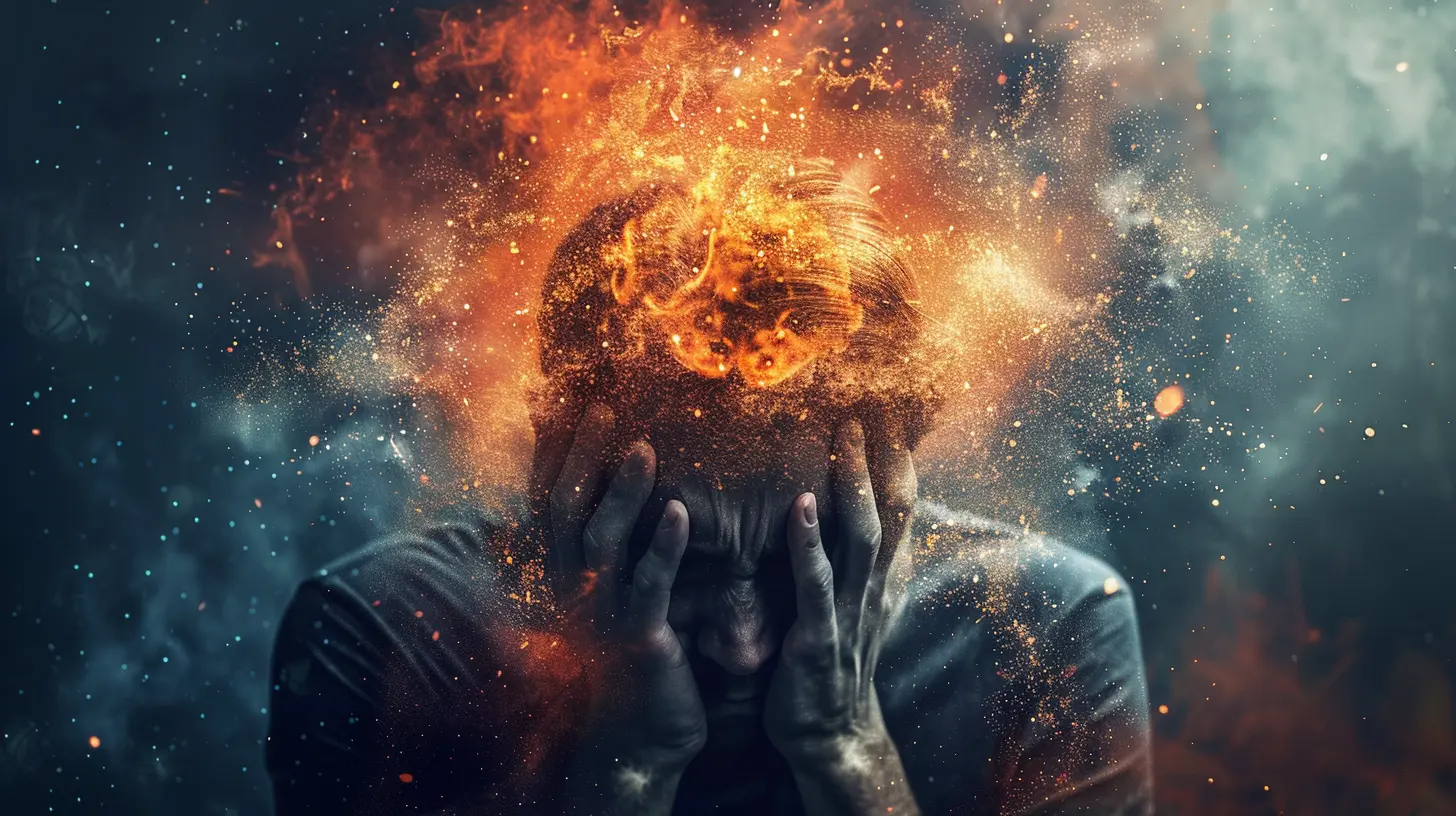
What Is Chronic Stress, Really?
Let’s kick things off with a simple definition. Chronic stress isn’t your typical “I’ve got a crazy day at work” kind of stress. It’s more like a low-key, constant pressure that lingers for weeks, months, or even years.Unlike acute stress (which is short-term and usually triggered by a specific situation), chronic stress doesn’t go away. It keeps your body in a prolonged state of fight-or-flight, and that’s where the problem starts.
The Sneaky Side Effects of Stress
When you’re stressed out all the time, your body releases stress hormones like cortisol and adrenaline like it’s handing out candy on Halloween. And while they serve an important purpose (helping you survive immediate threats), too much of them over time can lead to real damage—especially in your brain.Think of it like revving a car engine nonstop. Eventually, it’s going to overheat, break down, and stop working properly.
How Chronic Stress Affects Your Brain
Here’s where things start to get intense. Chronic stress doesn’t just make you feel overwhelmed—it changes the actual structure and function of your brain.1. It Shrinks the Prefrontal Cortex
This part of the brain is responsible for things like decision-making, concentration, and social behavior. When chronic stress kicks in, it literally causes the prefrontal cortex to shrink. This can make it harder to focus, control your impulses, or stay emotionally balanced.2. It Enlarges the Amygdala
Ever feel like you’re more emotional or reactive when you’re stressed? Blame the amygdala. Chronic stress can make it larger and more active, which means your fear and anxiety responses get dialed way up.3. It Weakens the Hippocampus
The hippocampus plays a big role in memory and emotional regulation. Chronic stress can shrink it too, which may lead to memory problems and make mood regulation tougher.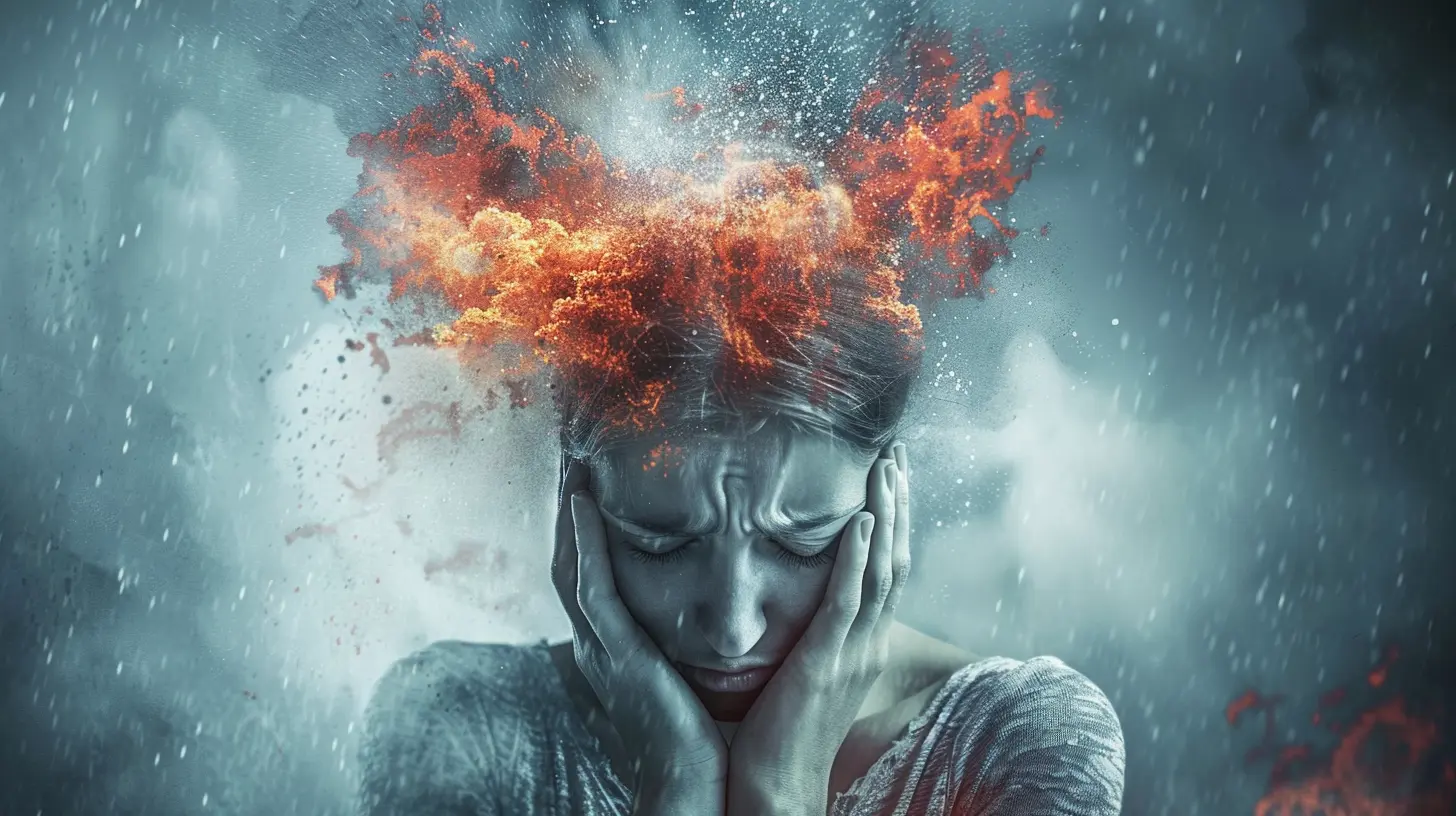
The Stress-Mood Disorder Connection
So how exactly does chronic stress translate into mood disorders? It’s like a chain reaction. One thing leads to another, and before you know it, your mental health starts taking hits.Let’s walk through the big players here.
Anxiety Disorders
Anxiety is one of the most common responses to chronic stress. When your brain is constantly in fight-or-flight mode, it starts to view everything as a potential threat. You might find yourself feeling jumpy, on edge, or unable to relax—even when nothing “bad” is happening.Over time, this constant state of alertness can evolve into a full-blown anxiety disorder. And once that cycle starts, it’s hard to break without help.
Depression
Ever feel emotionally drained after dealing with long periods of stress? That’s no coincidence.Chronic stress can mess with your brain’s ability to produce neurotransmitters like serotonin and dopamine—the chemicals responsible for feelings of happiness and well-being. When these levels drop, depression can set in.
Not only that, but stress-related inflammation in the brain may also contribute to depressive symptoms. Basically, your brain is under attack from multiple angles.
Post-Traumatic Stress Disorder (PTSD)
While PTSD is typically tied to specific traumatic events, ongoing stress can also play a role in triggering symptoms. Especially if you’ve experienced past trauma, chronic stress can reopen those emotional wounds or make it harder for your brain to heal from them.You might start reliving past experiences or feel emotionally numb. It’s your brain’s way of trying to protect you—but it often does more harm than good.
The Physical Side Effects You Didn’t See Coming
Here’s the thing: Mood disorders aren’t just about what’s happening in your head—they’re deeply connected to what’s happening in your body too.Chronic stress can lead to:
- Sleep disturbances (which can worsen anxiety and depression)
- Digestive issues (your gut and brain are more connected than you think!)
- Weakened immune system (getting sick more often, anyone?)
- Hormonal imbalances
- Increased risk for heart disease
It’s all connected. When your mental health is suffering, your physical health often follows.
The Vicious Cycle of Stress and Mood Disorders
One of the most dangerous things about chronic stress is how it feeds into mood disorders—and then those mood disorders, in turn, fuel more stress.It becomes a vicious cycle that’s hard to break.
You’re stressed, so you feel anxious or depressed. Then you start avoiding situations, withdrawing from people, or losing interest in things you once enjoyed. That isolation and lack of activity lead to more stress and deeper mood imbalances.
See the problem?
How to Break the Cycle and Reclaim Control
The good news? You’re not stuck. There are practical, science-backed strategies that can help you lower your stress levels and protect your mental health.Let’s talk about a few.
1. Set Boundaries Like a Boss
If you’re a chronic people-pleaser or can’t say no, you’re probably biting off way more than you can chew. Learning to set boundaries—at work, at home, in your social life—is one of the most powerful ways to reduce stress.Protect your time and energy like your life depends on it. Because honestly? It kind of does.
2. Move Your Body
Exercise isn’t just for getting fit—it’s one of the best ways to release built-up tension and boost your mood.You don’t need to run a marathon. A brisk walk, some yoga, or even dancing around your room can trigger the release of endorphins (your feel-good hormones).
3. Talk It Out
When you’re dealing with chronic stress and mood swings, don’t bottle it up. Talking to a therapist, counselor, or even a trusted friend can lighten the emotional load.Therapy, in particular, can help you identify stress triggers and build healthier coping mechanisms.
4. Mindfulness and Meditation
It might sound a little woo-woo, but mindfulness practices have been scientifically proven to reduce stress and improve emotional well-being. Apps like Headspace or Calm make it super easy to get started—even if you’ve never meditated before.Just five minutes a day can make a difference.
5. Prioritize Sleep
Seriously, sleep is non-negotiable. Chronic stress and bad sleep habits go hand in hand. Aim for 7-9 hours a night, and try to maintain a consistent bedtime routine.Your brain heals while you sleep. Don’t rob it of that chance.
6. Don’t Be Afraid of Medication
If your mood disorder symptoms are severe, sometimes therapy and lifestyle changes aren’t enough—at least not on their own. There’s no shame in getting a little help from modern medicine. Antidepressants, anti-anxiety meds, or other treatments can restore balance and give you the stability you need to start feeling like yourself again.Talk with a mental health professional about what’s right for you.
Final Thoughts: Take Back Your Power
Chronic stress is sneaky. It builds slowly, masks itself as “normal,” and before you know it—bam—you’re stuck in a cycle of anxiety, depression, or emotional burnout.But you’re not powerless.
Understanding how chronic stress affects your brain and body is the first step. The next step is doing something about it. Small changes, consistent habits, and a willingness to ask for help can go a long, long way.
So here’s your challenge: Take just one step today. That could be reaching out to a friend, going for a walk, scheduling a therapy session, or just giving yourself permission to rest.
You deserve peace, clarity, and emotional well-being. Don’t let stress have the final say.
all images in this post were generated using AI tools
Category:
Psychological DisordersAuthor:

Nina Reilly
Discussion
rate this article
2 comments
Ronan Mitchell
Chronic stress: the only thing stronger than my coffee habit! If only my mood could develop a sense of humor as fast as my stress does!
December 14, 2025 at 5:15 AM
Nina Reilly
Your wit shines through! Indeed, chronic stress can be relentless, but maintaining a sense of humor is a great way to cope. Keep brewing that positivity!
Zephira Sawyer
This article compellingly highlights the intricate relationship between chronic stress and mood disorders. It underscores the need for early intervention and stress management strategies to mitigate long-term psychological consequences, reinforcing the importance of holistic mental health approaches.
December 13, 2025 at 5:52 AM
Nina Reilly
Thank you for your insightful comment! I appreciate your recognition of the crucial link between chronic stress and mood disorders, as well as the importance of early intervention and holistic approaches.