The Impact of Fear on Memory and Learning
24 February 2026
Fear is a powerful emotion. It can save us from danger, push us to react quickly, and even heighten our senses. But what happens when fear interferes with memory and learning? Can anxiety, stress, or trauma make it harder for us to retain information? Or does fear sometimes enhance our ability to remember?
In this deep dive, we’ll explore how fear impacts memory and learning, breaking down the psychology behind it and uncovering how our brain reacts to fear-driven experiences.

How Fear Affects the Brain
Before we unpack the effect of fear on memory and learning, let’s take a quick look at what happens in the brain when we experience fear.At the center of fear processing is the amygdala, a small almond-shaped structure in the brain responsible for detecting threats. When we perceive danger—whether real or imagined—the amygdala jumps into action, triggering the fight-or-flight response. This releases stress hormones like cortisol and adrenaline, preparing the body to either defend itself or run.
Here’s where it gets interesting: the hippocampus, the part of the brain responsible for memory and learning, is closely linked with the amygdala. When fear kicks in, these two brain regions interact in ways that can either enhance or disrupt our ability to remember information.
Let’s break that down further.

Fear and Memory: A Complicated Relationship
You might have noticed that some of your strongest memories are tied to moments of intense fear or stress. Maybe you can still vividly recall a near car accident or an embarrassing presentation from years ago. That’s because fear and memory have a complex relationship—sometimes fear sharpens memory, and other times, it blocks it entirely.When Fear Improves Memory
Fear-driven memories tend to stick with us. Why? Because in life-or-death situations, remembering what happened can help us avoid danger in the future. This is called adaptive learning.For example, if you were bitten by a dog as a child, your brain likely stored that memory in vivid detail. The next time you see an aggressive dog, that memory kicks in, warning you to be cautious. This is the brain’s way of using fear to reinforce survival instincts.
Research suggests that moderate levels of stress can actually enhance memory retention. When a situation triggers a mild fear response, the brain releases chemicals that help strengthen neural connections, making it easier to remember details later.
When Fear Weakens Memory
While mild fear can enhance memory, chronic fear and extreme stress do the opposite. When fear becomes overwhelming or long-lasting, the brain releases excess cortisol, which can interfere with the hippocampus’s ability to store and retrieve information.Ever blanked out during a test because of anxiety? That’s fear short-circuiting your memory. When the brain perceives high stress as a threat, it prioritizes survival over everything else—including recalling facts from last night's study session.
Studies on PTSD (Post-Traumatic Stress Disorder) support this. Many PTSD sufferers report experiencing memory distortion, where traumatic memories become fragmented or exaggerated. This happens because high levels of fear can actually rewire the brain, making it harder to process events accurately.
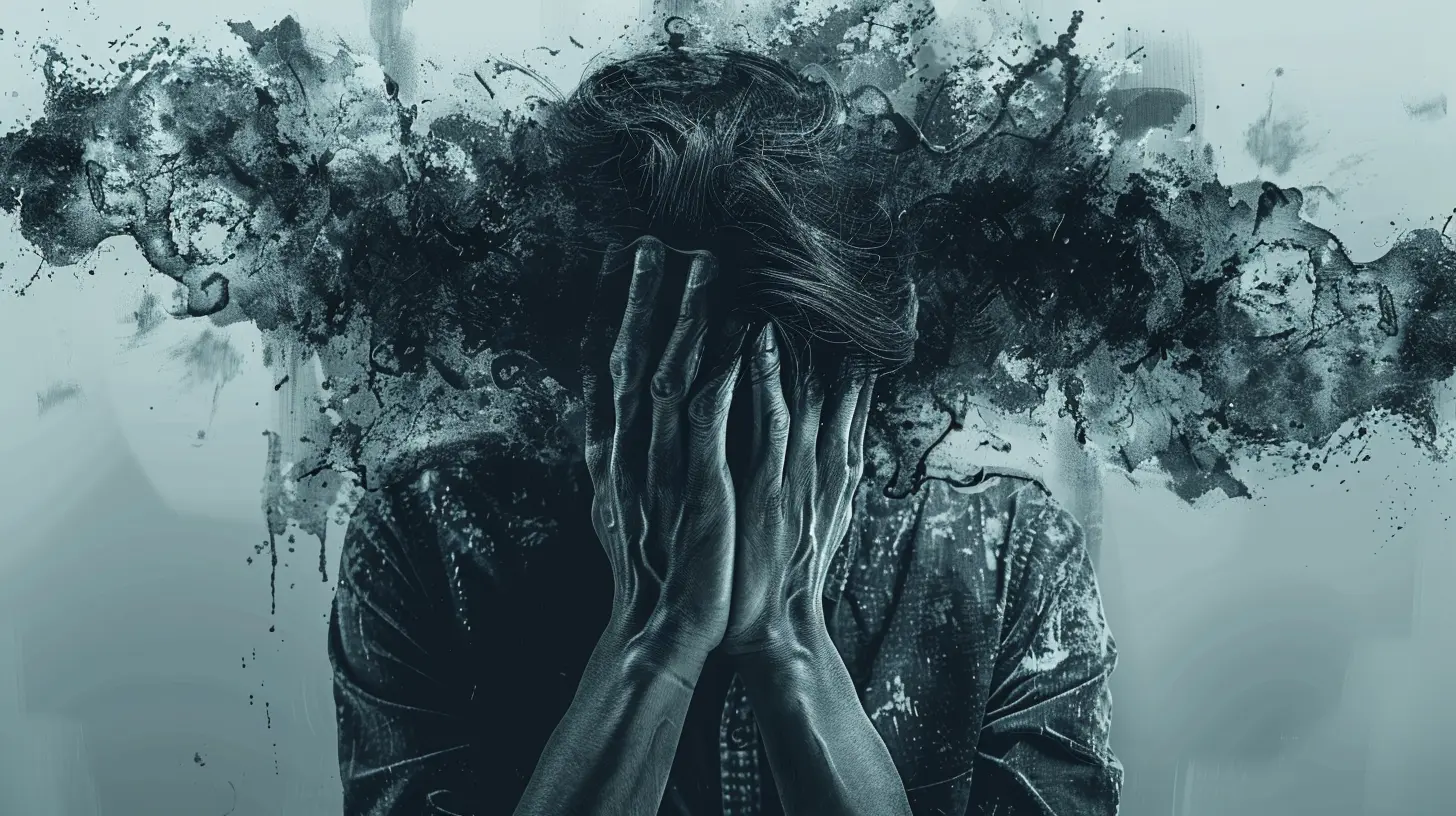
Fear and Learning: Does Fear Make It Harder to Learn?
Learning is an active process that requires focus, repetition, and engagement. But what happens when fear creeps in?The Negative Effects of Fear on Learning
Excessive fear can shut down learning completely. When students feel anxious—whether about failing a test, speaking in public, or making mistakes—it creates cognitive overload. This means the brain is so preoccupied with fear that it can’t absorb new information effectively.For example:
- Test Anxiety: A student who fears failure may struggle to recall information during an exam, even if they studied thoroughly.
- Fear of Judgment: Someone afraid of making mistakes might hesitate to ask questions or participate in discussions, limiting their learning experiences.
- Trauma and Learning Disabilities: Kids who experience trauma at an early age often have difficulty focusing in school. Their brains are wired to be on high alert, making it difficult to retain lessons.
Does Fear Ever Enhance Learning?
While chronic fear is harmful, controlled fear-based learning can sometimes be beneficial. Think about learning how to drive. If you’ve ever had a close call on the road, chances are you’ll never forget that lesson. Fear helps reinforce certain experiences, ensuring we don’t repeat dangerous mistakes.Similarly, emotions play a critical role in learning. When we’re emotionally engaged—whether through excitement, curiosity, or even mild fear—our brains are more likely to retain information. This is why teachers often use storytelling or real-world examples to make lessons more memorable.

The Science Behind Fear-Based Learning
Researchers have identified something called the Yerkes-Dodson Law, which suggests that a moderate amount of stress can actually boost performance in learning and memory tasks. However, when stress levels become too high, performance drops.Think of it like this:
- Too little stress → Low motivation, poor focus
- Moderate stress → Boosted memory and learning
- Too much stress → Cognitive overload, memory blocks
So, the key isn’t avoiding fear altogether—it’s managing fear so it doesn’t become overwhelming.
How to Manage Fear for Better Memory and Learning
If fear is interfering with your ability to learn or remember things, there are ways to counteract it.1. Practice Mindfulness and Relaxation Techniques
Meditation, deep breathing, and mindfulness exercises can help lower stress levels, keeping the brain from going into panic mode.2. Reframe Fear as a Challenge, Not a Threat
Instead of seeing fear as an enemy, try shifting your perspective. Fear can be a motivator—it can push you to prepare better, practice more, and stay alert.3. Use Positive Reinforcement
Encouragement and rewards can help rewire the brain to associate learning with positive emotions rather than anxiety.4. Break Large Tasks into Smaller Steps
Overwhelming tasks can trigger fear responses. Breaking them into smaller, manageable steps can make them feel less intimidating.5. Create a Low-Stress Learning Environment
If you’re teaching or mentoring others, focus on making learning environments stress-free. Encouragement, patience, and creating a safe space for questions can significantly improve learning outcomes.6. Limit Exposure to Toxic Stress
If certain situations or people consistently trigger fear and stress, it may help to set boundaries and find ways to reduce exposure to those stressors.
Final Thoughts
Fear is a double-edged sword when it comes to memory and learning. A little bit of fear can sharpen focus, strengthen memories, and reinforce life lessons. But too much fear? It can paralyze learning, block memory recall, and rewire the brain in negative ways.Understanding this balance is key to improving how we learn and remember. Whether you're a student, a teacher, or just someone curious about how your brain works, knowing how fear impacts memory can help you work with your mind instead of against it.
So, the next time fear creeps in—whether before an exam, during a big presentation, or in the face of a new challenge—remember: a little fear can be useful, but don’t let it take over.
all images in this post were generated using AI tools
Category:
Psychology Of FearAuthor:

Nina Reilly
Discussion
rate this article
2 comments
Shannon McNeely
Thank you for shedding light on this crucial topic. Understanding how fear influences memory and learning can truly help us support ourselves and others in navigating challenges.
March 20, 2026 at 5:26 AM
Corinne Cole
Fear weaves an intricate tapestry in our minds, shaping memories and influencing learning. What shadows linger in our past? Are we truly the architects of our knowledge, or mere echoes of our fears?
March 1, 2026 at 3:20 PM
Nina Reilly
Thank you for your thought-provoking comment! Fear indeed plays a significant role in shaping our memories and learning experiences, often serving as both a catalyst and a barrier. Exploring the interplay between our past fears and current knowledge can unveil deeper insights into our cognitive processes.