The Importance of Self-Acceptance in Raising Self-Esteem
10 February 2026
Let’s be real: we all have that nagging inner voice that whispers we’re not good enough. Maybe it’s about your looks, your job, your intelligence, or even relationships. Whatever your "not enough" is, there's one thing that can slowly start to silence that voice—self-acceptance.
Self-acceptance isn’t about turning a blind eye to your flaws or pretending everything’s perfect. It’s about acknowledging every part of who you are, the good, the not-so-good, and everything in between. And when you embrace yourself fully, something magical happens—your self-esteem starts to rise.
In this article, we’ll dive into why self-acceptance plays such a massive role in raising self-esteem. And if you're someone who’s struggled with confidence or self-worth, hang in there. You're not alone, and yes—you absolutely can work on this.
What is Self-Acceptance?
Let’s break it down first. Self-acceptance means recognizing and embracing every part of yourself without judgment. That includes your strengths, weaknesses, quirks, past mistakes, and even the scars you try to hide.It’s saying, “This is who I am today. And that’s okay.”
A lot of us think we’ll feel better once we “fix” ourselves—lose weight, make more money, get that promotion, or find the perfect partner. But guess what? That kind of conditional self-worth never lasts. It’s like putting a band-aid on a wound that actually needs stitches.
With self-acceptance, you start the healing from the inside out.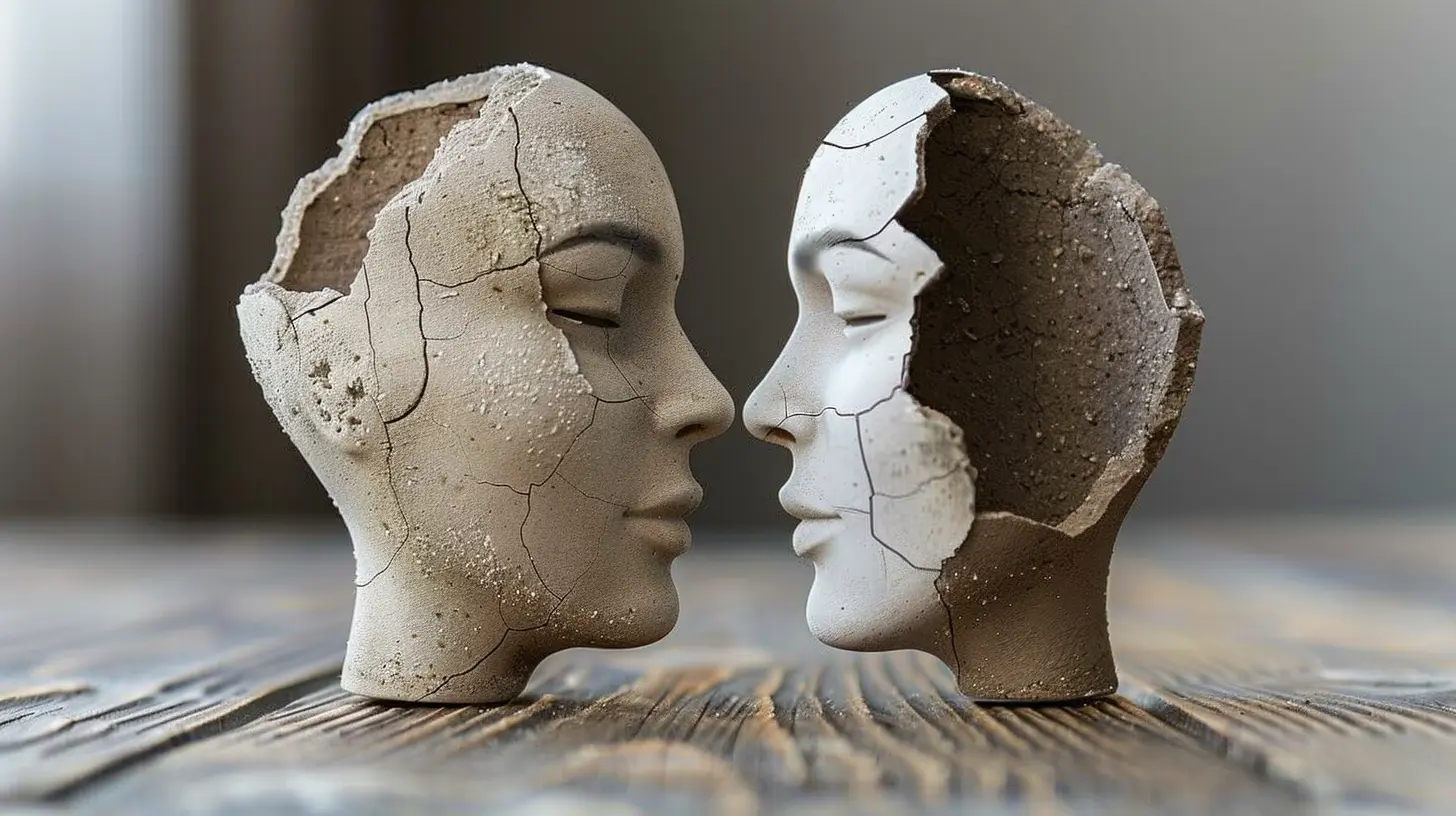
How Self-Esteem Works
To understand how self-acceptance boosts self-esteem, we need to get what self-esteem really is. Self-esteem is your overall sense of self-worth or personal value. It’s how much you like or appreciate yourself.Think of self-esteem as the house you live in and self-acceptance as the foundation. If the foundation is weak, the whole structure starts to wobble—even crumble. But if your foundation is solid (aka you accept yourself), building a healthy, happy sense of self-worth becomes way easier.
The Connection Between Self-Acceptance and Self-Esteem
Here’s the deal: self-acceptance is the nutrient-rich soil in which self-esteem grows.If you’re constantly criticizing yourself, nitpicking every mistake, or comparing yourself with everyone else on Instagram, your self-esteem doesn’t stand a chance.
But when you treat yourself with the same kindness and patience you’d show a good friend, your self-view shifts. You stop being your own worst critic and start becoming your own cheerleader.
That’s when the magic happens.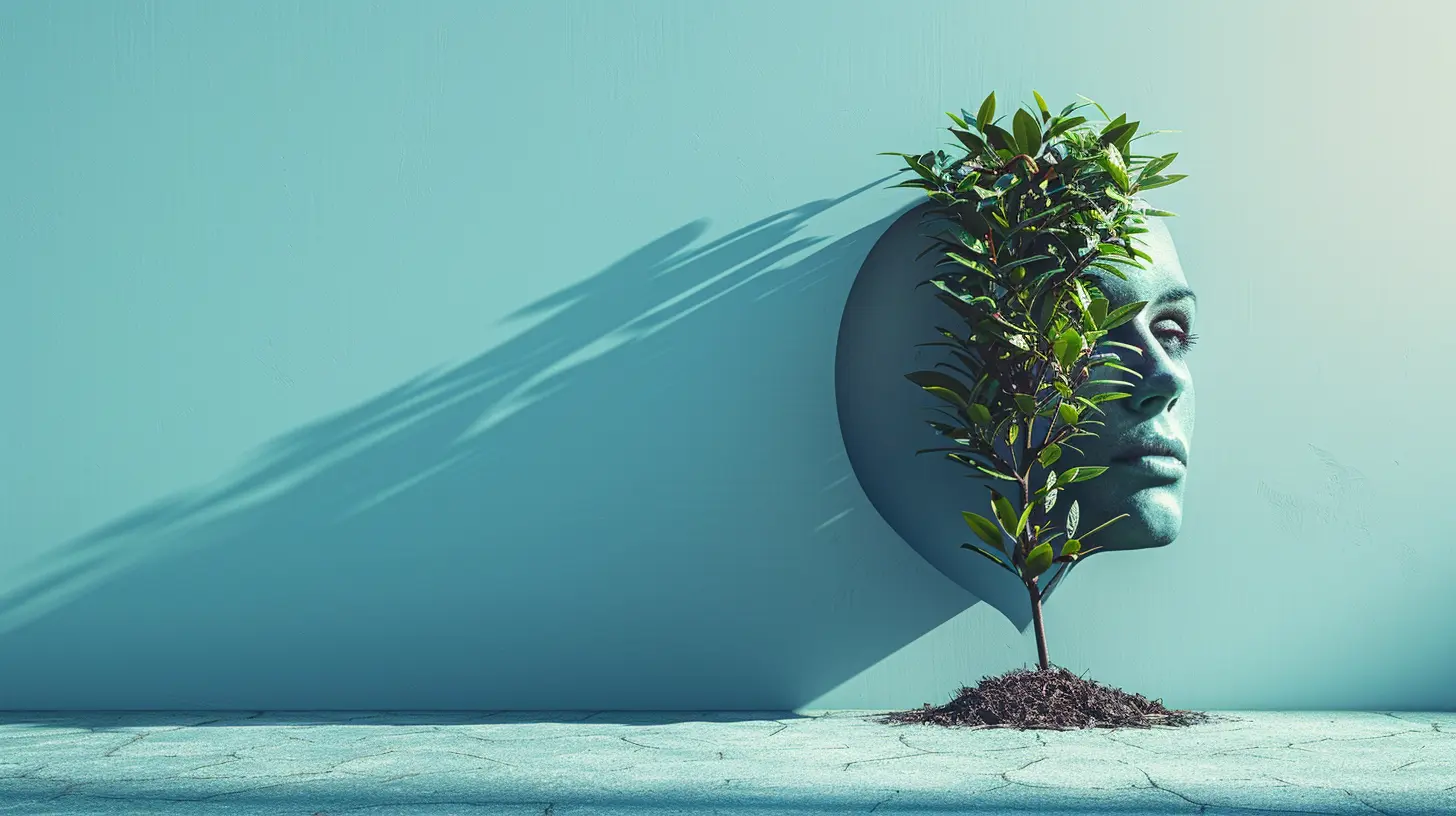
Why Is Self-Acceptance So Damn Hard?
Let’s not sugarcoat it—self-acceptance isn’t always easy.We live in a world that constantly tells us we’re not enough. Ads sell us "perfection," social media pushes highlight reels, and childhood messages might’ve planted some negative self-beliefs early on. (“You’re too loud.” “You’re not smart enough.” “You’ll never be good at that.” Sound familiar?)
Add to that the pressure to constantly improve, and you’ve got a recipe for chronic self-judgment.
But here’s the truth: self-growth and self-acceptance can, and should, coexist. You can aim to be better while still loving who you are right now.
Imagine trying to climb a mountain while carrying a backpack filled with bricks labeled “shame,” “guilt,” and “unworthy.” That’s what life is like without self-acceptance. You’re dragging yourself, exhausted, up the hill.
Now imagine dropping the backpack. You’re still climbing, but suddenly you’re lighter. Freer. More focused. That’s what self-acceptance does—it lightens the load so you can rise.
How To Practice Self-Acceptance (Without Feeling Like a Fraud)
Okay, so now that we know how essential self-acceptance is, how do we do it?Spoiler: it’s not a one-and-done kind of thing. It's more like going to the gym—tiny, consistent reps that build strength over time.
1. Start With Self-Awareness
You can’t accept what you don’t know exists.Begin by tuning in. Notice your thoughts, especially the negative ones. Are you being too hard on yourself? Are you trying to meet impossible standards?
Journaling can really help here. Just jot down how you’re feeling, what you’re thinking, and the situations that trigger self-judgment. No censoring.
2. Challenge Your Inner Critic
That little voice in your head? It lies. A lot.When you hear that familiar insult—“You’re such a failure”—pause. Ask yourself: “Would I say this to my best friend?” If the answer is hell no, then it’s time to rewrite that narrative.
Turn “I’m such an idiot” into “I made a mistake, but I’m learning.” See the shift?
3. Practice Self-Compassion
This one’s big. Self-compassion means treating yourself with the same grace and understanding you’d offer someone you love.So you messed up. Welcome to the club! Everyone does. Mistakes don’t make you unworthy. They make you human.
Try saying this to yourself: “I’m doing the best I can, and that’s enough.”
4. Embrace Your Imperfections
Perfection is the ultimate illusion. Let it go.Celebrate your quirks, flaws, and even your awkwardness. These are the things that make you uniquely you.
Remember, a diamond with a flaw is still a diamond.
5. Surround Yourself with Support
Sometimes it’s hard to accept ourselves when we’re constantly around toxic energy.Find your people—the ones who love you as you are, not who they want you to be. And don’t be afraid to set boundaries with those who drain your self-worth.
How Self-Acceptance Boosts Every Area of Life
Still wondering why self-acceptance is worth the effort? Let’s talk results. Because once self-acceptance takes root, it starts to ripple into every area of your life.Relationships
When you accept yourself, you stop relying on others for validation. You show up as your authentic self, and guess what? That attracts healthier, more meaningful relationships.Neediness turns into confidence. Jealousy? Replaced with security. People can sense when you love yourself—and they respond in kind.
Career
Self-acceptance gives you the courage to take risks, go for what you want, and trust your own instincts.Instead of obsessing over perfection or fearing failure, you become more resilient. Mistakes become lessons, not proof of incompetence.
Mental Health
This one’s huge. Constant self-rejection creates a battlefield in your mind. But self-acceptance reduces anxiety, depression, and chronic stress by calming your inner war.It’s like being your own safe space. And that’s the kind of peace we all need more of.
Self-Acceptance vs. Complacency
Now, you might be thinking: “If I accept myself, won’t I stop trying to improve?”Not at all.
Self-acceptance doesn’t mean settling. It means loving yourself through the process of growth, instead of only when you’ve 'arrived.'
Think of it like this: a gardener doesn’t only love the flower once it blooms. They enjoy the planting, the watering, the tiny green shoots. Self-acceptance lets you love every stage of your personal development.
Final Thoughts: You Deserve to Feel Good About Who You Are
Here’s the bottom line: you are worthy, right now, exactly as you are.You don’t need to be someone else, achieve more, or fix yourself to earn love—especially from yourself.
Self-acceptance might not come overnight, but every small step you take in embracing yourself just a little more will strengthen your self-esteem in ways you've never imagined.
So let’s stop waiting for the perfect moment, the perfect weight, or the perfect life before we love ourselves.
Start now. Start messy. Just start.
Because life’s too short to be at war with yourself.
all images in this post were generated using AI tools
Category:
Self EsteemAuthor:

Nina Reilly
Discussion
rate this article
2 comments
Wade O'Neal
Embracing yourself is the first step forward!
February 24, 2026 at 4:53 AM
Nina Reilly
Absolutely! Embracing oneself lays the foundation for true self-acceptance and boosts self-esteem. Thank you for your insightful comment!
Kenna Graham
Self-acceptance is like giving your inner unicorn a glittery hug! Embrace your quirks and flaws—they're the sprinkles on the cupcake of life. Let that self-esteem soar like a confetti cannon at a dance party!" 🎉🦄
February 10, 2026 at 3:56 AM
Nina Reilly
Absolutely! Embracing our uniqueness adds flavor to life and boosts self-esteem—let's celebrate our inner unicorns! 🦄✨