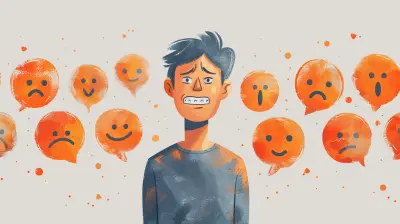
The Influence of Peer Pressure on Self-Esteem: How to Stay True to Yourself
11 December 2025
Let’s have a real talk for a second—have you ever done something just because your friends were doing it? Maybe it was wearing a specific brand, joining a trend you didn’t care about, or even holding back on sharing your opinion just to “fit in.” Sound familiar? That little nudge (or sometimes, a big shove) is called peer pressure. And believe it or not, it can mess big time with your self-esteem.
In this article, we’re diving headfirst into how peer pressure shapes the way we see ourselves and what we can do to stay grounded and confidently be ourselves—even when the world around us is screaming, “Blend in!”
What Exactly is Peer Pressure?
Let’s break it down—peer pressure is the influence your social group has on you. That group could be close friends, classmates, co-workers, or even people you follow on social media. It can be both positive and negative. Yep, not all peer pressure is bad! Sometimes, it pushes us to try new things, grow, or make healthier choices. But when peer pressure starts to chip away at who you are or makes you second-guess your worth? That’s where things get tricky.And that’s where self-esteem comes in.
So, What Is Self-Esteem Anyway?
Think of self-esteem as the lens through which you view yourself—it’s your inner voice saying, “Hey, I’m capable,” or sometimes, “Ugh, I don’t measure up.” It’s about how much value you place on yourself and your abilities.High self-esteem means you’re comfortable with who you are, flaws and all. Low self-esteem? That’s when you constantly feel like you're not good enough. And yep, peer pressure can absolutely sway that internal voice.
How Does Peer Pressure Affect Self-Esteem?
Let’s be real—humans are social creatures. We’re wired to want connection and acceptance. But when your need to belong starts coming at the expense of your authenticity, your self-esteem takes a hit.Here’s how it usually goes down:
1. Constant Comparison
Thanks to social media, it’s easier than ever to compare yourself to others. “Why don’t I look like that?” “Why am I not doing what they’re doing?” These thoughts creep in and, boom—your self-worth starts shrinking.Peer pressure feeds off comparison, nudging you to measure your value against others’ highlight reels. And news flash: that’s a battle you’ll never win because it’s based on make-believe standards.
2. Fear of Rejection
Ever gone along with something just because you didn’t want to be "the weird one"? That fear of being rejected can be so strong that we’d rather go against our values than stand out.But here’s the harsh truth: when you constantly seek validation from others, your own voice starts getting drowned out. Over time, you might not even recognize what you truly want anymore.
3. Identity Crisis
When you shape your choices, opinions, and even your personality to fit into a certain group, who are you really? That disconnect between your actions and your authentic self can trigger confusion and low self-esteem. It’s exhausting trying to be someone you’re not.
Why We Fall for Peer Pressure (Even When We Know Better)
You might be thinking, “I know all this, so why is it still hard to resist?” It’s not about weakness—it’s about being human.Here are a few reasons we cave in:
- We want to belong. Belonging is a basic human need. Isolation feels painful, so we trade authenticity for acceptance.
- We doubt ourselves. When our self-esteem is already low, it's easy to assume others know better.
- It’s easier to go with the flow. Standing up for yourself? Super uncomfortable. Going along with the group? Avoids awkwardness (at least temporarily).
Signs You’re Giving In to Peer Pressure
Peer pressure isn’t always loud or obvious. Sometimes it’s subtle, and you only realize it in hindsight. Here are a few red flags to watch for:- You say “yes” when you really want to say “no.”
- You feel anxious about being judged or left out.
- You change your opinions or preferences to match others.
- You feel regret after making choices based on others’ expectations.
- You feel like you're living a double life—your public self vs. your real self.
If any of these sound familiar, don’t panic. Becoming aware of it is the first big step to change.
How to Build Self-Esteem That’s Peer-Pressure-Proof
Now for the good part—what can you actually do about it?You don’t have to become a lone wolf or ditch all your friends to stay true to yourself. Instead, build a stronger, more resilient sense of self so you can thrive with or without approval from others.
1. Know Yourself (Really Well)
It sounds cheesy, but self-knowledge is power. Spend time reflecting on:- What do you genuinely enjoy?
- What are your core values?
- What beliefs are truly yours, not someone else’s?
When you know who you are, it’s easier to recognize when something doesn’t align with your truth.
2. Set Boundaries (And Stick to Them)
Boundaries are your personal “no trespassing” signs. They protect your energy, your time, and your peace of mind.Start small—say no to a plan you’re not excited about. Speak up if someone’s opinion crosses the line. It’s not about being rude—it’s about respecting yourself.
3. Surround Yourself with People Who Lift You Up
Your tribe matters—big time. Hang around people who accept you for who you are, imperfections and all. If your current circle makes you feel like you have to audition for their approval, it may be time to reconsider those relationships.Supportive friends challenge you without changing you.
4. Practice Saying No (Like, Out Loud)
Saying “no” is a muscle—the more you flex it, the stronger it gets. Start using it even in low-stakes situations. Can’t help a friend move this weekend? Say no. Don’t want to watch that trending series everyone’s talking about? Say no. You’ll feel more confident standing your ground later when it really counts.5. Look in the Mirror—Literally!
Positive self-talk might feel awkward, but it works. Say affirmations like:- “I’m enough as I am.”
- “My opinions matter.”
- “I don’t need to prove myself to anyone.”
Over time, these small shifts in language reshape your mindset—and boost your self-esteem.
The Role of Social Media: The Hidden Puppet Master
Let’s not ignore the elephant in the room—social media is a massive source of peer pressure. With every scroll, you’re bombarded with filtered lives, influencer culture, and unspoken rules about what’s “cool.”So how do you take back control?
- Do a digital detox. Take a break and see how your mood shifts.
- Curate your feed. Follow accounts that inspire confidence, not insecurity.
- Stop doom-scrolling. If it doesn’t make you feel good, close the app.
Remember, what you feed your mind matters just as much as what you feed your body.
Staying True to Yourself: It’s Not Always Easy, But It’s Always Worth It
There’s no blueprint for living authentically—it’s a daily choice. Some days, you’ll stand strong. Other days, you might falter. That’s okay. What matters is getting back on track.Being true to yourself doesn’t mean being rebellious or different just for the sake of it. It means honoring your feelings, values, and voice—even when it’s unpopular.
You’re not here to fit into someone else’s mold. You’re here to be the original, unfiltered version of you.
Final Thoughts
Peer pressure is a sneaky beast. It can infiltrate your decisions, relationships, and self-image without you even realizing it. But here’s the good news—you don’t have to let it define you.By building self-awareness, practicing boundary-setting, and surrounding yourself with the right people, you can strengthen your self-esteem and keep your authenticity intact.
So the next time you feel that tug to conform, pause and ask: “Am I doing this for me? Or for them?”
Because honestly, the world needs more people who are unapologetically themselves. Why not start with you?
all images in this post were generated using AI tools
Category:
Self EsteemAuthor:

Nina Reilly
Discussion
rate this article
2 comments
Icarus Taylor
Peer pressure is like a bad Wi-Fi signal—just because everyone's connected doesn't mean you should join the network! Stay true to yourself and enjoy your own awesome bandwidth!
December 19, 2025 at 3:27 AM
Nina Reilly
Great analogy! Staying true to yourself is key, just like relying on a strong, personal connection rather than a weak signal. Thanks for sharing!
Elise Wagner
Staying authentic is tough, but true friends lift us, not push us down!
December 15, 2025 at 4:07 PM
Nina Reilly
Absolutely! True friends support our authenticity and help us thrive amid peer pressure.