The Link Between Attention Deficit Disorder and Creativity
16 May 2026
Have you ever noticed how some of the most creative people in history seemed to have restless minds? It’s almost like their brains were wired differently, constantly buzzing with ideas and thoughts, unable to stay still. Well, there might actually be a reason for that. Attention Deficit Disorder (ADD) is often seen as a challenge to focus, but what if I told you that it might also be a catalyst for creativity?
In this article, we're going to explore the fascinating link between ADD and creativity. We’ll dive into how the same traits that make it difficult for someone with ADD to focus, can also unlock doors to unique and innovative ways of thinking.

What Is Attention Deficit Disorder?
First things first, let’s break down what ADD is. Attention Deficit Disorder, commonly referred to as ADD, is a neurodevelopmental condition that affects a person's ability to focus, control impulses, and stay organized. While it’s often associated with children, many adults also experience it.People with ADD may find it hard to stay on one task for long periods, often jumping from one idea to another. It's like their minds are a search engine with a million tabs open at once. This can make completing tasks difficult, especially those that require sustained attention. However, this constant flow of thoughts isn't necessarily a bad thing—especially when it comes to creativity.

The Misunderstood Mind: ADD and Creativity
Now, let’s dive into the juicy part—how ADD and creativity are linked.When we think of creativity, we often picture someone coming up with innovative ideas, thinking outside the box, and approaching problems in ways that others wouldn’t. Well, guess what? These are some of the exact traits we see in people with ADD!
Divergent Thinking: A Creative Superpower
People with ADD excel at divergent thinking, which is the ability to generate many different ideas or solutions to a single problem. Instead of sticking to one straight path, their minds wander and explore multiple possibilities. It's like their brains refuse to walk down the same road twice, always looking for new and exciting routes.This type of thinking is particularly important in fields like art, music, writing, and design but can also be invaluable in problem-solving or engineering. While a neurotypical person might focus on a single solution, someone with ADD might come up with five. Sure, not all of them will be practical or usable, but those wild ideas are often where the most creative and innovative breakthroughs happen.
Hyperfocus: The Double-Edged Sword
Here’s a twist: while people with ADD often struggle to focus on mundane tasks, they can also experience something called hyperfocus. This is when someone becomes so engrossed in a particular activity or idea that they lose track of time and everything else around them. For a writer, this might mean getting lost in a story for hours, or for a painter, it might mean creating a masterpiece in one sitting.Hyperfocus is like having tunnel vision but in the best way possible. When a person with ADD is passionate about something, they can channel all their energy into it, leading to some truly incredible creative output.
Challenging the Status Quo
One of the hallmarks of ADD is a resistance to routine or traditional approaches. This often leads to questioning established norms and coming up with ideas that go against the grain. While this might make it hard for someone with ADD to function in a highly structured environment, it’s a powerful asset in creative fields.Think about it: some of the most revolutionary ideas in history came from people who didn’t follow the rules. From inventors like Thomas Edison to artists like Salvador Dalí, many creative geniuses defied conventions and looked at the world through a different lens. It’s not hard to imagine that some of these trailblazers may have had ADD or similar traits.

The Science Behind ADD and Creativity
So, is there actual scientific evidence backing this link between ADD and creativity? You bet there is!Neurological Differences
Research has shown that people with ADD have differences in brain structure and function compared to neurotypical individuals. Specifically, these differences are often found in areas of the brain responsible for executive function (planning, focusing, and decision-making) and dopamine regulation (the neurotransmitter that plays a big role in reward and motivation).Because dopamine is involved in the brain's reward system, people with ADD may have a different response to rewards and stimuli. This could explain why they often seek new experiences and are drawn to activities that provide immediate gratification, like creative pursuits.
Creativity Tests and Studies
Several studies have also explored the connection between ADD and creativity through creativity tests. For example, one study published in the Journal of Attention Disorders found that adults with ADD scored higher on tests of divergent thinking compared to their neurotypical peers. This suggests that individuals with ADD may be naturally inclined to think creatively.Another study from the Journal of Personality and Social Psychology showed that people with ADD often exhibit more “out-of-the-box” thinking and are more likely to come up with unconventional solutions to problems. While they might struggle in areas that require sustained attention, their ability to approach challenges from unique angles gives them a creative edge.
Famous Creatives Who May Have Had ADD
Throughout history, many highly creative and successful individuals have exhibited traits that align with ADD. While we can’t diagnose historical figures with certainty, their behaviors and achievements give us reason to believe that ADD may have played a role in their creative genius.Leonardo da Vinci
Let’s start with one of the most famous artists and inventors of all time: Leonardo da Vinci. Da Vinci was notorious for leaving projects unfinished, jumping from one idea to the next, and constantly brainstorming new inventions. Sound familiar? While it’s impossible to say for sure, many experts believe that Leonardo da Vinci may have had ADD. Despite his scattered focus, he managed to excel in multiple fields, from painting to engineering, showing that a restless mind can lead to groundbreaking creativity.Albert Einstein
Another potential candidate is Albert Einstein. Known for his unconventional thinking and his ability to challenge established scientific norms, Einstein is often considered one of the greatest minds in history. He reportedly had difficulties in school and was often lost in his own thoughts, traits that are commonly associated with ADD. His ability to see the world differently led to some of the most important scientific breakthroughs of the 20th century.Salvador Dalí
Salvador Dalí, the eccentric surrealist painter, is another example of a creative genius who may have had ADD. Dalí’s work is famous for its dream-like quality, bizarre imagery, and unconventional techniques. He was known for his erratic behavior, boundless energy, and constant drive to create something new and different. His unique approach to art was likely fueled by the same traits that are characteristic of ADD.The Challenges of ADD: It’s Not All Sunshine and Rainbows
Of course, it’s important to recognize that ADD isn’t all about creativity and innovation. For many people, the condition can be incredibly challenging, especially in environments that demand strict focus and organization.Struggles With Focus and Organization
While the impulsivity and divergent thinking associated with ADD can lead to creative breakthroughs, they can also make it difficult to complete tasks or stick to deadlines. Many people with ADD struggle with procrastination, forgetfulness, and disorganization, which can be frustrating and overwhelming.Overcoming These Challenges
The key for many individuals with ADD is finding ways to harness their creative strengths while managing the challenges that come with the condition. This might involve strategies like setting small, achievable goals, breaking tasks into manageable chunks, or using tools like timers and planners to stay on track.Additionally, many people with ADD benefit from working in environments that allow for flexibility and creativity. Traditional office jobs with rigid routines might not be the best fit, but careers in the arts, design, entrepreneurship, or other creative fields can provide the perfect outlet for their talents.
Embracing the Creative Side of ADD
So, what’s the takeaway here? While ADD can present some significant challenges, it also comes with a unique set of strengths—particularly in the realm of creativity. People with ADD often think outside the box, approach problems from different angles, and come up with ideas that others might never consider.In a world that often values conformity and routine, the creative spark of someone with ADD can be a breath of fresh air. Whether it’s through art, music, writing, or innovation, individuals with ADD have the potential to bring something truly special to the table.
If you or someone you know has ADD, don’t just focus on the challenges. Instead, embrace the creativity that comes with it. After all, some of the most brilliant minds in history have thrived not in spite of their differences, but because of them.
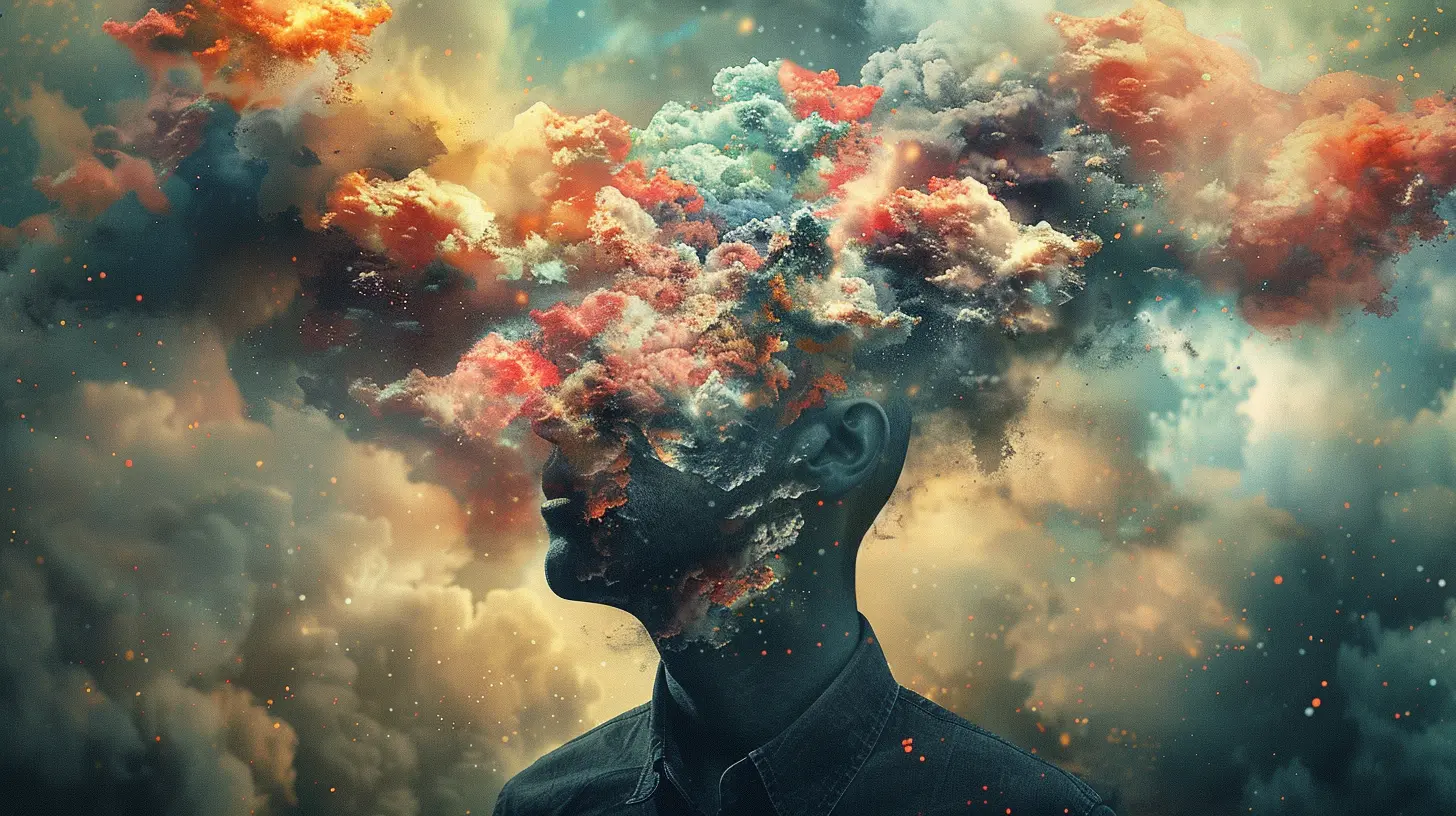
all images in this post were generated using AI tools
Category:
Attention Deficit DisorderAuthor:

Nina Reilly
Discussion
rate this article
1 comments
Easton Snyder
This article offers valuable insights into the connection between Attention Deficit Disorder and creativity. It's fascinating how different minds can approach challenges uniquely. Thank you for sharing!
May 17, 2026 at 3:30 PM