The Link Between Fear and Procrastination
14 December 2025
Let’s be real—procrastination is something we all struggle with. You sit down with every intention to finish that task... and then suddenly, you’re cleaning out your inbox or watching cat videos. Ever wonder what that’s about? Sure, we like to blame laziness or lack of motivation, but the real culprit often lurking behind procrastination is fear. Yep, fear. Not in the “monster-under-the-bed” kind of way, but in a sneaky, psychological way that messes with our heads and stalls our progress.
In this post, we're diving deep into the tangled relationship between fear and procrastination. We'll cover why fear triggers procrastination, the different types of fear at play, and how to break this cycle that's holding you back from achieving your goals.
What Exactly Is Procrastination?
Let’s start with the basics. Procrastination is the act of delaying or postponing a task or decision, even when you know there might be consequences. It’s not about being lazy or unmotivated, as many people think. In fact, most chronic procrastinators care A LOT about the tasks they’re avoiding. Weird, right?But here's the kicker—procrastination is more about emotions than productivity. It's an emotional coping mechanism. You're not avoiding the task; you're avoiding the feeling that comes with it.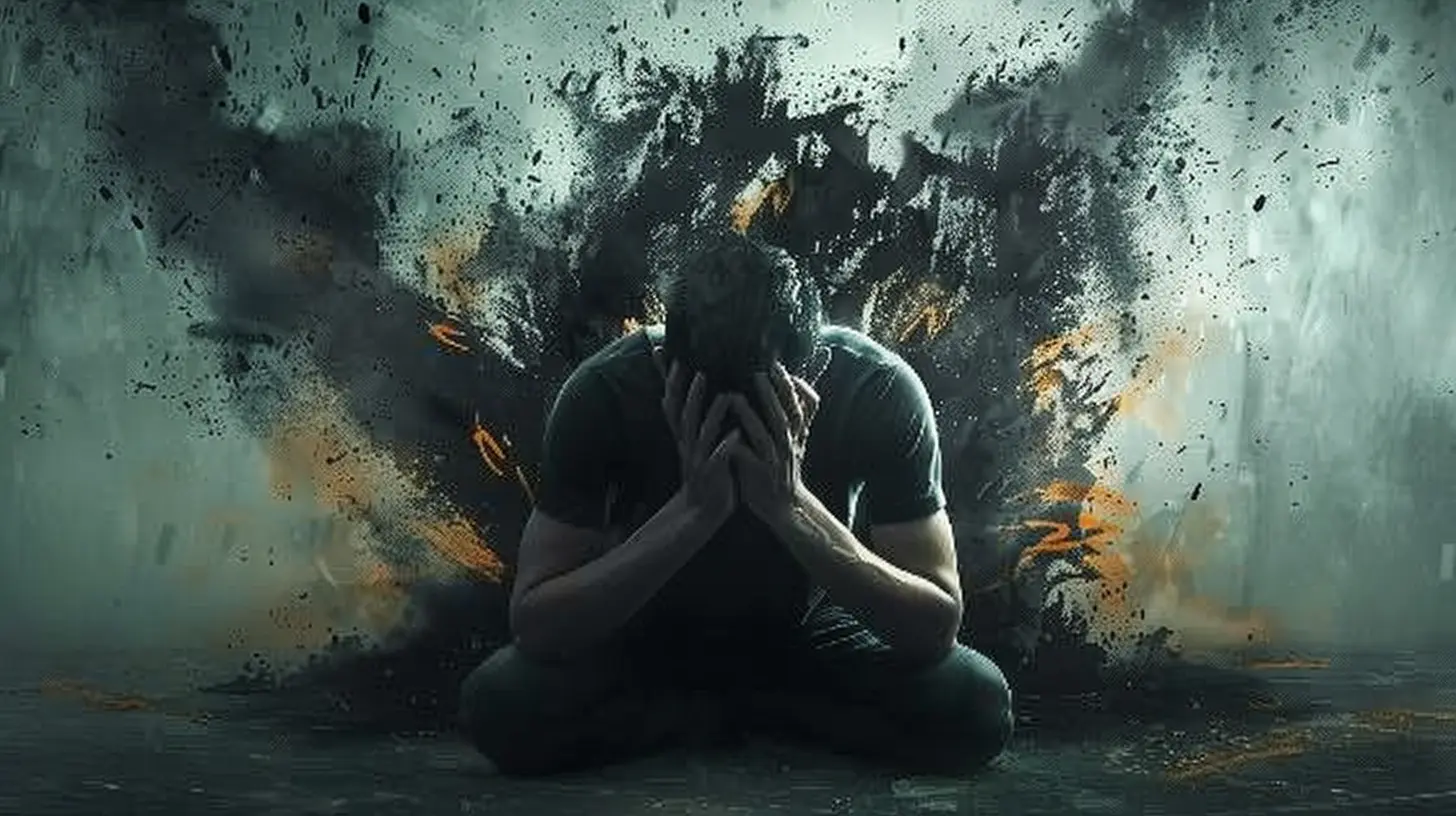
The Hidden Driver: Fear
So, where does fear come in?Fear fuels procrastination like gas fuels a fire. Whenever you're about to do something meaningful, whether it's applying for a job, starting that side hustle, or writing a blog post (hey, I see you), fear slips in whispering things like:
- “What if I fail?”
- “What if I’m not good enough?”
- “What if people judge me?”
And boom—you freeze. Your brain, wired for survival, chooses short-term comfort (binging Netflix) over long-term growth (writing that proposal). It's not stupidity. It's biology.
Types of Fear That Trigger Procrastination
Fear isn’t one-size-fits-all. Depending on the situation or your personality, procrastination might be rooted in different types of fear. Let’s look at the big ones.1. Fear of Failure
This one’s super common. You delay taking action because you’re scared it won’t work out. You’d rather not try at all than try and fail. This fear creates a vicious loop: you procrastinate to avoid failing, and not trying leads to actual failure. Ouch.2. Fear of Judgment
Worried about what others will think of your work? That fear can be paralyzing. You might hold off submitting that project or launching that idea because the thought of criticism is too much to handle.3. Fear of Success
Sounds silly, right? But it's real. Succeeding could mean change—more responsibility, higher expectations, or even drifting away from your current identity. That kind of fear can sneakily keep you stuck.4. Fear of the Unknown
Humans are creatures of habit. When we don’t know what comes next, it rattles us. Starting something new (even if it’s exciting) can be scary because it involves uncertainty. So what do we do? We hit pause.
The Psychology Behind It
Let’s geek out for a sec. When you experience fear, your amygdala (the brain’s fear center) goes into overdrive. It triggers a fight, flight, or freeze response. In the case of procrastination, you “freeze.” You’re not running from a bear, but your brain thinks you're in danger because completing that task might lead to failure or judgment.Then, your brain does this sneaky thing: it gives you an easy out—cleaning, scrolling, snacking—anything that gives you instant gratification. That’s procrastination.
The more you do it, the more your brain learns that “avoidance = relief,” making the habit even stronger. It's a psychological trap.
The Emotional Cost of Procrastination
Here’s the thing—procrastination might feel good in the moment, but it’s a terrible long-term strategy. It piles on stress, guilt, and low self-esteem. You might find yourself saying, “Why can’t I just do it?” and beating yourself up.Ironically, that self-criticism only amplifies fear. You feel worse, and so the cycle continues.
Real Talk: My Own Struggle with Fear and Procrastination
Let me share something personal. I used to delay launching this writing blog for ages. Not because I didn’t know what to write or how to do it, but because I was terrified. What if people didn’t read it? Or worse—what if they did and hated it?I kept telling myself I was “researching” or “preparing,” but really, I was stuck in fear-based procrastination. It wasn’t until I recognized that fear was behind the delay that I could start moving forward.
How to Break The Fear-Procrastination Cycle
Okay, enough doom and gloom. The good news? You can absolutely unlearn this behavior. It takes some self-awareness, a few mindset shifts, and some tried-and-true strategies.1. Name the Fear
Don’t run from it. Call it out. Are you afraid of failing? Being judged? Once you name the fear, it loses some of its power. You can’t fight an enemy you can’t see.2. Shrink the Task
Big tasks feel overwhelming, which makes the fear bigger. Break things into tiny, manageable steps. Want to write a book? Start with a paragraph. Tiny wins build momentum.3. Set Time Limits
Use techniques like the Pomodoro method. Set a timer for 25 minutes and work without distraction. Knowing you only need to focus for a short time makes the task feel less scary.4. Practice Self-Compassion
You’re human. You procrastinate. It doesn’t make you weak—it makes you normal. Be kind to yourself and ditch the guilt. Replace “I’m so lazy” with “I’m feeling scared right now.”5. Visualize the Outcome
Focus on how great it’ll feel to complete the task. Imagine the relief, the pride, the progress. Use that future reward as motivation to push past the fear.6. Get Support
Sometimes talking it out helps. Whether it’s a friend, coach, or therapist, having someone cheer you on and call you out (lovingly) can do wonders.7. Take Imperfect Action
Waiting for the “perfect moment” is another fear-based trap. Start messy. Progress beats perfection every time.Fear Isn't the Enemy
Here’s the plot twist: fear isn’t always bad. It’s trying to protect you. It just doesn’t always know the difference between real danger and imagined risk. The key is learning to walk with fear—not let it drive the bus.Procrastination happens when we let fear take the wheel. But you’ve got the power to grab the keys back.
Your Turn: What’s Behind Your Procrastination?
Next time you catch yourself putting something off, pause for a second. Ask yourself, “What am I really afraid of?” The answer might surprise you.Awareness is the first step to change. Once you understand the fear behind the delay, you can take intentional steps to move forward. And trust me, that momentum feels amazing.
Final Thoughts
Procrastination isn’t about a lack of time, talent, or willpower. It’s about fear—plain and simple. But when you learn to recognize that fear, face it, and take action anyway, you become unstoppable.Don’t wait for fear to disappear (spoiler: it won’t). Instead, act in spite of it. Progress begins the moment you stop waiting and start doing.
all images in this post were generated using AI tools
Category:
Psychology Of FearAuthor:

Nina Reilly
Discussion
rate this article
2 comments
Marigold Summers
Fear often lurks in the shadows of our decisions, entwining itself with procrastination like a stubborn vine. What if our hesitations reveal deeper truths about our desires? Unraveling this connection could unlock hidden potential, transforming fear from a foe into a compass guiding us toward growth.
December 21, 2025 at 5:07 AM
Nina Reilly
Absolutely, fear can be a powerful motivator when we confront it openly. Embracing our hesitations may indeed reveal our true desires and lead to personal growth. Thank you for this insightful perspective!
Rosanna McCarthy
Fear often drives procrastination, highlighting the need for self-awareness.
December 17, 2025 at 4:01 AM
Nina Reilly
Thank you for your insightful comment! Indeed, understanding our fears is crucial in overcoming procrastination and fostering productivity.