The Power of Mindfulness in Reducing Anxiety
16 February 2026
Anxiety—it’s something we all experience at some point. That restless feeling in your stomach, the constant overthinking, the racing heart. It’s exhausting, right? But what if I told you there’s a simple yet powerful way to ease anxiety without relying solely on medication? Enter mindfulness.
Mindfulness has gained serious traction in recent years, and for a good reason. It’s a game-changer when it comes to calming the mind, easing stress, and bringing us back to the present. But how does it work? Let’s dive into the power of mindfulness and its role in reducing anxiety.

What is Mindfulness?
At its core, mindfulness is the practice of being fully present in the moment—aware of your thoughts, emotions, and surroundings without judgment. It’s about observing what’s happening without getting caught up in it. Think of your mind like a busy highway. Mindfulness helps you step off the road and simply watch the traffic instead of jumping in and getting overwhelmed.
How Anxiety Takes Over the Mind
Before we get into how mindfulness helps, let’s talk about anxiety for a second.Anxiety hijacks your brain, pushing you into a whirlwind of “what if” scenarios. Your mind constantly lives in the future, worrying about things that may never happen. It triggers the fight-or-flight response, flooding your body with stress hormones like cortisol and adrenaline. The result? Increased heart rate, shallow breathing, restlessness, and even panic attacks. It’s not fun.
But here’s the good news—mindfulness breaks this cycle.
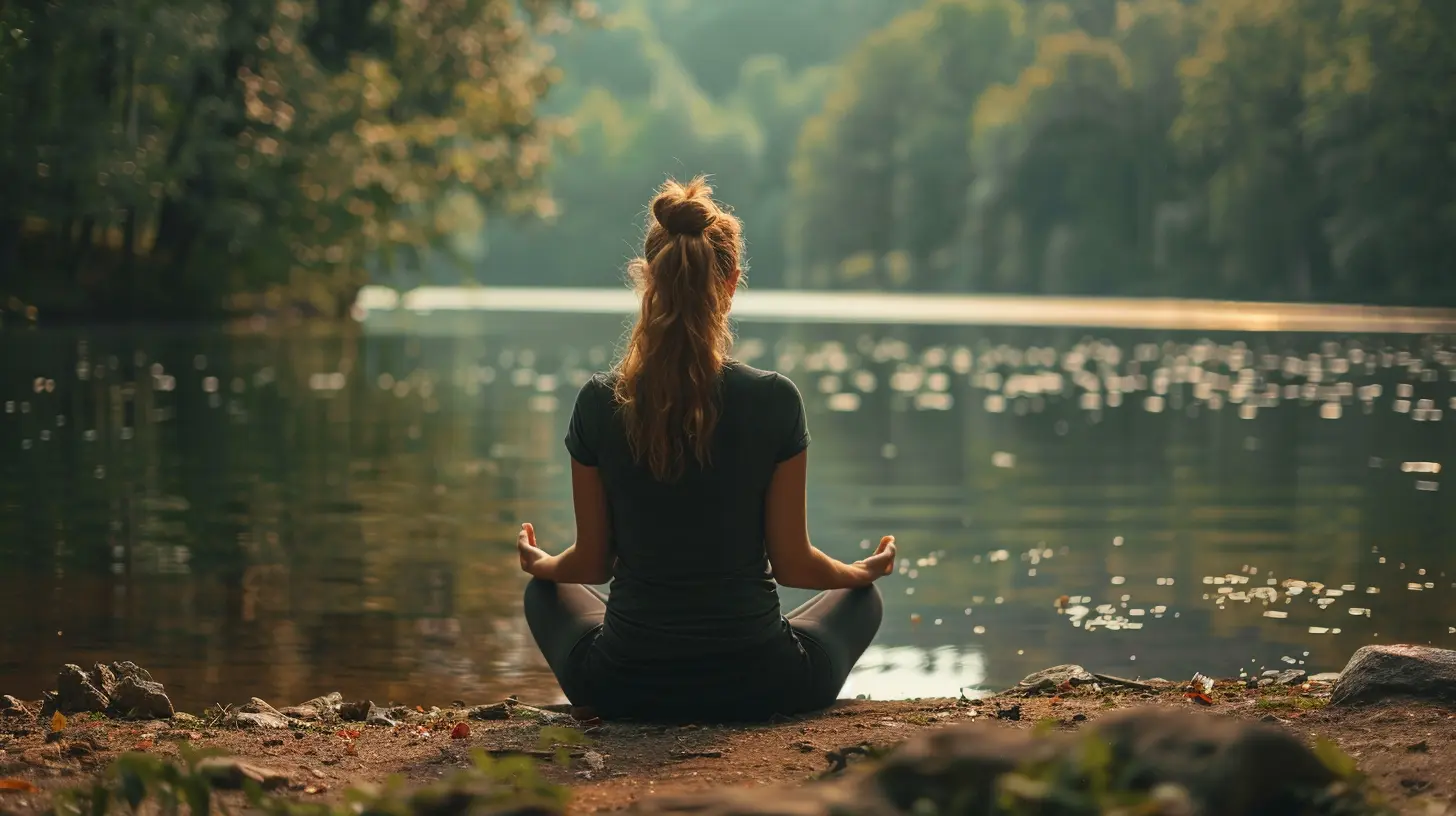
How Mindfulness Helps Reduce Anxiety
1. Brings You Back to the Present
Anxiety thrives on future worries. Mindfulness shifts your focus away from “what if” scenarios and back to “what is” happening right now. Instead of stressing over tomorrow’s presentation or next week’s bills, mindfulness helps you ground yourself in the present moment.Try this: Take a deep breath and notice the sounds around you. Feel your feet on the ground. Observe your breath. Just like that, you’re back in the now.
2. Calms the Nervous System
Your body reacts to anxiety as if there’s a lion chasing you. Mindfulness sends a message to your nervous system saying, “Hey, we’re safe.” This activates the parasympathetic nervous system (your body’s relaxation mode), slowing your heart rate, easing tension, and helping you feel more in control.3. Stops the Overthinking Spiral
Overthinking is anxiety’s best friend. One small thought snowballs into a thousand worries before you even realize it. Mindfulness helps you recognize when this is happening and redirect your attention.Imagine your thoughts as clouds in the sky. Instead of chasing them, you watch them float by without attachment. That’s mindfulness in action!
4. Increases Self-Awareness
Ever notice how anxiety sneaks up on you? One minute, you’re fine; the next, your heart is pounding. Mindfulness helps you become more aware of your emotions as they arise. When you catch anxiety in its early stages, you can manage it before it spirals out of control.5. Reduces Emotional Reactivity
Mindfulness creates a gap between feeling and reacting. Instead of immediately panicking when something stressful happens, you learn to pause, take a breath, and respond calmly. It’s like having an emotional buffer that stops you from getting swept away by worry.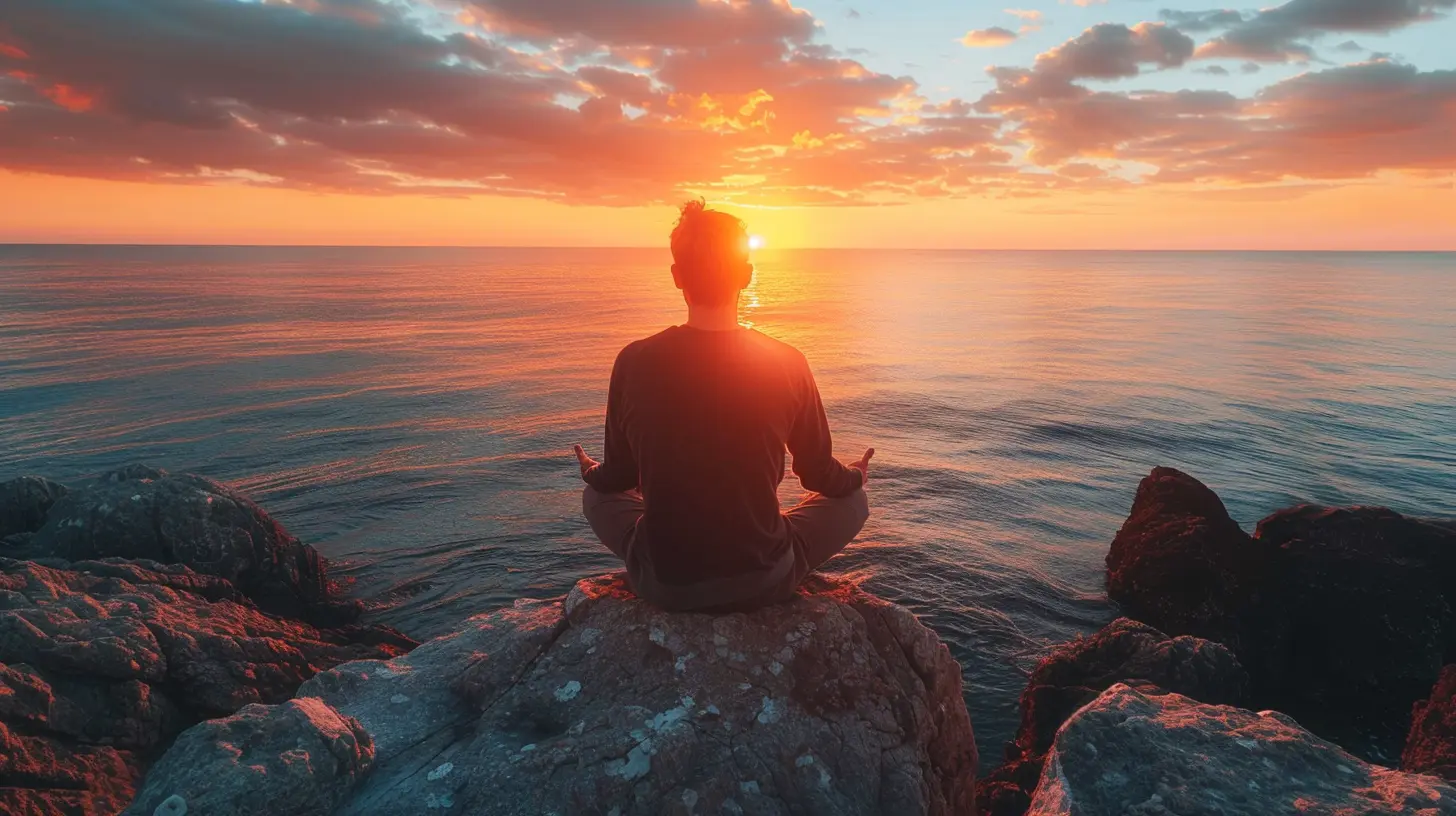
Simple Mindfulness Techniques to Reduce Anxiety
Now that you know how mindfulness helps, let’s get practical. You don’t need fancy equipment or hours of free time to practice mindfulness. Here are some simple but effective techniques:1. Mindful Breathing
Your breath is one of the easiest ways to anchor yourself in the present. Try this:- Inhale deeply through your nose for four counts.
- Hold for four counts.
- Exhale slowly through your mouth for four counts.
- Repeat for a few minutes.
This technique slows your heart rate and signals your brain to relax.
2. Body Scan Meditation
This practice involves mentally scanning your body from head to toe, noticing areas of tension or discomfort. As you do this, consciously relax each area. It’s like giving your body a mini-reset.3. Grounding Exercises
When anxiety hits, grounding techniques help bring you back to the present. Try the “5-4-3-2-1” method:- 5 things you can see
- 4 things you can touch
- 3 things you can hear
- 2 things you can smell
- 1 thing you can taste
This shifts your focus away from anxious thoughts and into the moment.
4. Mindful Walking
Yes, walking can be meditative! Instead of rushing, focus on the sensation of your feet hitting the ground, the rhythm of your breath, and the sounds around you. It’s a great way to relieve anxiety while moving.5. Gratitude Practice
Anxiety often makes us focus on what’s wrong. Gratitude shifts your perspective. Every day, take a moment to list three things you’re grateful for. This simple habit rewires your brain for positivity.How to Make Mindfulness a Daily Habit
The key to mindfulness is consistency. Here’s how you can make it part of your daily routine:- Start small – Just 5 minutes a day can make a difference.
- Tie it to existing habits – Practice mindfulness while brushing your teeth, drinking coffee, or before bed.
- Be patient with yourself – Your mind will wander, and that’s okay. Gently bring your focus back without judgment.
- Use guided meditations – Apps like Headspace or Calm can help keep you on track.
- Practice throughout the day – Mindfulness isn’t just about sitting still. You can be mindful while eating, walking, or even washing dishes.
Final Thoughts
Anxiety doesn’t have to control your life. Mindfulness is a powerful tool that helps you break free from the cycle of worry and stress. By bringing your attention to the present, calming your nervous system, and reducing overthinking, mindfulness equips you with the skills to navigate anxiety with more ease.So, the next time anxiety creeps in, take a deep breath, ground yourself, and remind yourself—you’ve got this.
all images in this post were generated using AI tools
Category:
Psychological ResearchAuthor:

Nina Reilly
Discussion
rate this article
2 comments
Gavin Thomas
This article insightfully highlights mindfulness as a transformative tool for managing anxiety. By fostering present-moment awareness, individuals can cultivate resilience, emotional regulation, and a profound sense of calm amidst life's challenges.
March 3, 2026 at 3:21 AM
Nina Reilly
Thank you for your thoughtful comment! I'm glad you found the article highlights the transformative benefits of mindfulness in managing anxiety.
Karson Reyes
In the quiet depths of the mind, where shadows dance with whispered thoughts, mindfulness emerges as a beacon. It beckons us to explore the hidden corners of our anxieties, unraveling their intricate threads. Could stillness be the key to unlocking our inner peace?
February 19, 2026 at 5:54 AM
Nina Reilly
Absolutely, stillness allows us to navigate our inner landscape, turning anxiety into understanding and cultivating true peace.