The Role of Identity in Self-Improvement
30 December 2025
Self-improvement is a journey we all embark on at some point in our lives. Whether it's striving for better mental health, career success, or personal growth, the way we see ourselves plays a massive role in how we progress. But have you ever stopped to think about how your identity—your sense of who you are—shapes your ability to improve?
In this article, we'll dive deep into the fascinating connection between identity and self-improvement. We'll explore how identity influences our choices, motivates our actions, and sometimes even holds us back. So, grab a cup of coffee, get comfortable, and let’s talk about how embracing the right identity can unlock your full potential.

What Is Identity and Why Does It Matter?
Identity is more than just your name or background. It’s the collection of beliefs, values, and experiences that define who you are. It shapes how you see yourself and how you interact with the world. Your identity isn’t just something you’re born with—it’s something you build over time.Think about it. If you see yourself as a strong, capable person, you're more likely to take on challenges with confidence. But if you identify as someone who always struggles, those self-improvement goals can feel impossible.
Your identity acts as an internal compass, guiding your actions and decisions. It influences:
- How you set goals
- Whether you believe in your ability to improve
- The habits you create and stick to
- How you react to success and failure

How Identity Shapes Self-Improvement
1. Identity Creates a Self-Fulfilling Prophecy
Ever heard the phrase, “What you believe, you achieve”? It’s not just a motivational quote—it’s backed by psychology. When you strongly identify with a certain trait or mindset, your brain looks for evidence to reinforce that belief.For example, if you see yourself as "the kind of person who exercises regularly," you're more likely to make fitness a priority. But if you believe, "I’m just not a gym person," you'll subconsciously find ways to avoid working out.
Your identity shapes your actions, and your actions reinforce your identity. This cycle can work for or against your self-improvement goals, depending on the beliefs you hold.
2. Shifting Identity Leads to Lasting Change
A lot of people struggle with self-improvement because they focus on actions rather than identity. They say, "I want to lose weight," rather than, "I am a healthy and active person." The difference may sound small, but it’s powerful.When you approach self-improvement from an identity-based perspective, you're not just trying to change behaviors—you’re changing the foundation of how you see yourself. And when you believe something about yourself, your actions naturally start aligning with that belief.
3. The Power of Identity-Based Habits
James Clear, author of Atomic Habits, talks about the idea of identity-based habits. Instead of setting goals based on outcomes (like losing 10 pounds), you build habits around who you want to become (becoming a healthy person).Ask yourself:
- Who do I want to become?
- What would that kind of person do daily?
- How can I reinforce that identity with small actions?
By aligning your habits with a strong identity, self-improvement becomes automatic.

Breaking Free from a Limiting Identity
Sometimes, our identity can hold us back. If you’ve always seen yourself as someone who isn’t disciplined, isn’t good with money, or isn’t confident, you may unknowingly sabotage your own progress.Here’s how you can rewrite the script:
1. Challenge Your Self-Perceptions
Ask yourself: "Is this really who I am, or is it just a story I've told myself?" Sometimes, our identity is shaped by past failures, criticism from others, or even old habits that no longer serve us. Challenge those old narratives and replace them with new, empowering ones.2. Use Small Wins to Reinforce a New Identity
You don’t have to overhaul your entire identity overnight. Start with small wins that reinforce the new version of yourself. Want to be a writer? Write something every day. Want to be fit? Take the stairs instead of the elevator. Every small action confirms your new identity.3. Surround Yourself with the Right Influences
We become like the people we spend the most time with. If you're surrounded by people who reinforce a negative or limiting identity, it can be tough to break free. Instead, seek out people who embody the kind of person you want to become. Their mindset and habits will rub off on you.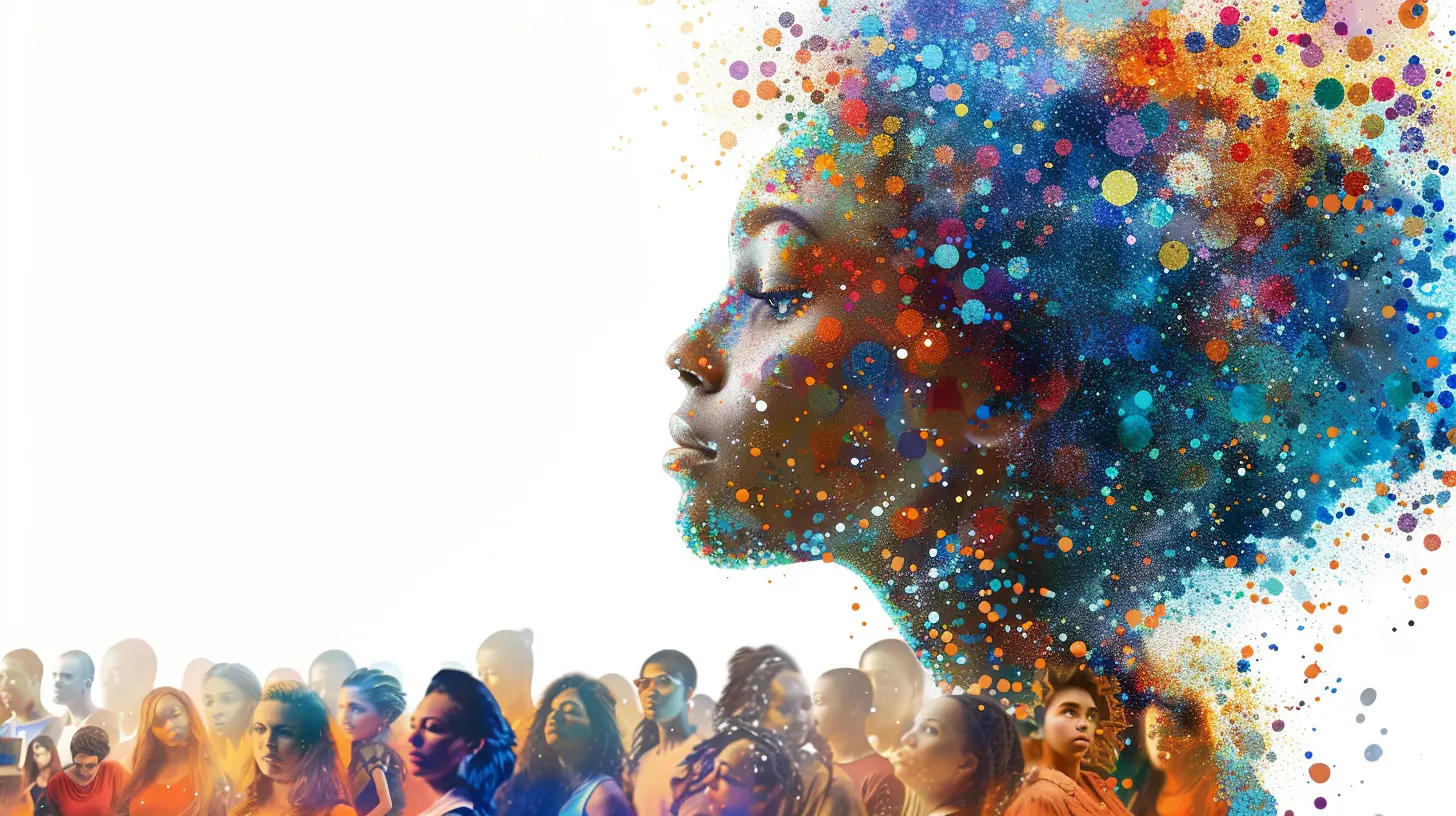
Identity and the Fear of Change
One of the biggest roadblocks to self-improvement is the fear of losing who we are. If you’ve always identified as the shy person, the funny one, or the night owl, changing that can feel uncomfortable—even scary.But here’s the truth: You’re not losing yourself. You’re evolving. Growth doesn’t mean abandoning your past self. It means expanding into a better version of yourself.
Instead of resisting change, embrace it as an opportunity to redefine what’s possible.
Practical Steps to Reinvent Your Identity
Ready to take control of your identity and fast-track your self-improvement journey? Here are some actionable steps:1. Define Your Ideal Identity
Write down a clear vision of the person you want to become. Be specific. Instead of saying, "I want to be better with money," say, "I am someone who manages money wisely and saves consistently."2. Reinforce It with Daily Actions
Each day, do something that aligns with this new identity. No matter how small, consistency is key.3. Change the Way You Speak About Yourself
Instead of saying, "I’m bad at public speaking," say, "I’m becoming more confident at speaking in front of others." Your words shape your thoughts, and your thoughts shape your reality.4. Visualize Your New Identity
Take a few moments each day to picture yourself as the person you want to become. How do you act? How do you feel? Visualization is a powerful tool for rewiring your brain.5. Track Progress and Celebrate Wins
Document your progress and celebrate even the smallest improvements. Every success reinforces your new identity.
Conclusion
Your identity is the foundation of self-improvement. The way you see yourself can either propel you forward or hold you back. But the beauty of identity is that it’s not fixed—you have the power to reshape it.By shifting your self-perception, aligning your actions with your ideal self, and surrounding yourself with the right influences, you can create lasting change. After all, becoming the best version of yourself starts with believing that you are that person.
So, what identity are you choosing to step into today?
all images in this post were generated using AI tools
Category:
Self ImprovementAuthor:

Nina Reilly
Discussion
rate this article
2 comments
Clementine McCarthy
This article beautifully highlights the vital connection between identity and self-improvement. Embracing our true selves is crucial for growth. Your insights encourage readers to reflect on their identity and how it shapes their journey. Thank you for sharing these empowering ideas! Keep up the fantastic work inspiring positive change!
January 22, 2026 at 5:34 AM
Nina Reilly
Thank you so much for your kind words! I'm glad the article resonated with you and inspired reflection on the important role of identity in personal growth. Your support means a lot!
Velvet Adkins
Identity shapes growth; understanding fuels progress.
December 31, 2025 at 4:30 AM
Nina Reilly
Thank you! A strong sense of identity indeed lays the foundation for growth and empowers us to progress meaningfully.