The Role of Neuroplasticity in Personal Development
10 March 2026
Ever wished you could rewire your brain like updating your phone’s software? Well, you kind of can—and that’s where neuroplasticity jumps in. The brain isn’t fixed like concrete; it’s more like clay. Moldable, adaptable, and full of surprising potential. If you’ve ever thought you're "just not wired" for success, confidence, or change—think again. Neuroplasticity says otherwise.
In this article, we’re diving headfirst into the fascinating world of neuroplasticity and how it plays a powerful role in personal development. Whether you're looking to break bad habits, build healthier ones, boost your confidence, or simply grow into the best version of yourself—this one’s for you.
💡 What Is Neuroplasticity, Anyway?
Let’s break it down. The word “neuroplasticity” comes from “neuro” (meaning brain or nerve) and “plasticity” (meaning the ability to be molded or changed). Basically, neuroplasticity is your brain’s ability to change its structure and function throughout your life in response to experience, learning, or injury.That means:
- You can form new neural connections.
- You can strengthen existing ones.
- You can even delete unhelpful thought patterns (yes, seriously).
Gone are the days when scientists believed the brain stops growing after childhood. Now we know that your brain is constantly evolving. And that? That’s a total game-changer.
🧠 How Neuroplasticity Happens: The Science (Without the Jargon)
Think of your brain like a dynamic city. Neurons (brain cells) are the roads, and your thoughts and behaviors are the traffic moving around. Every time you think something or do something—especially repeatedly—you carve out a new path. The more you travel that path, the smoother and faster it becomes.This process is summed up in a little phrase you may have heard: “Neurons that fire together, wire together.”
But guess what? The reverse is also true — “Neurons that don’t fire together, don’t wire together.” That’s how unhealthy habits and thoughts can fade over time: you stop “driving” those roads, and eventually, they break down.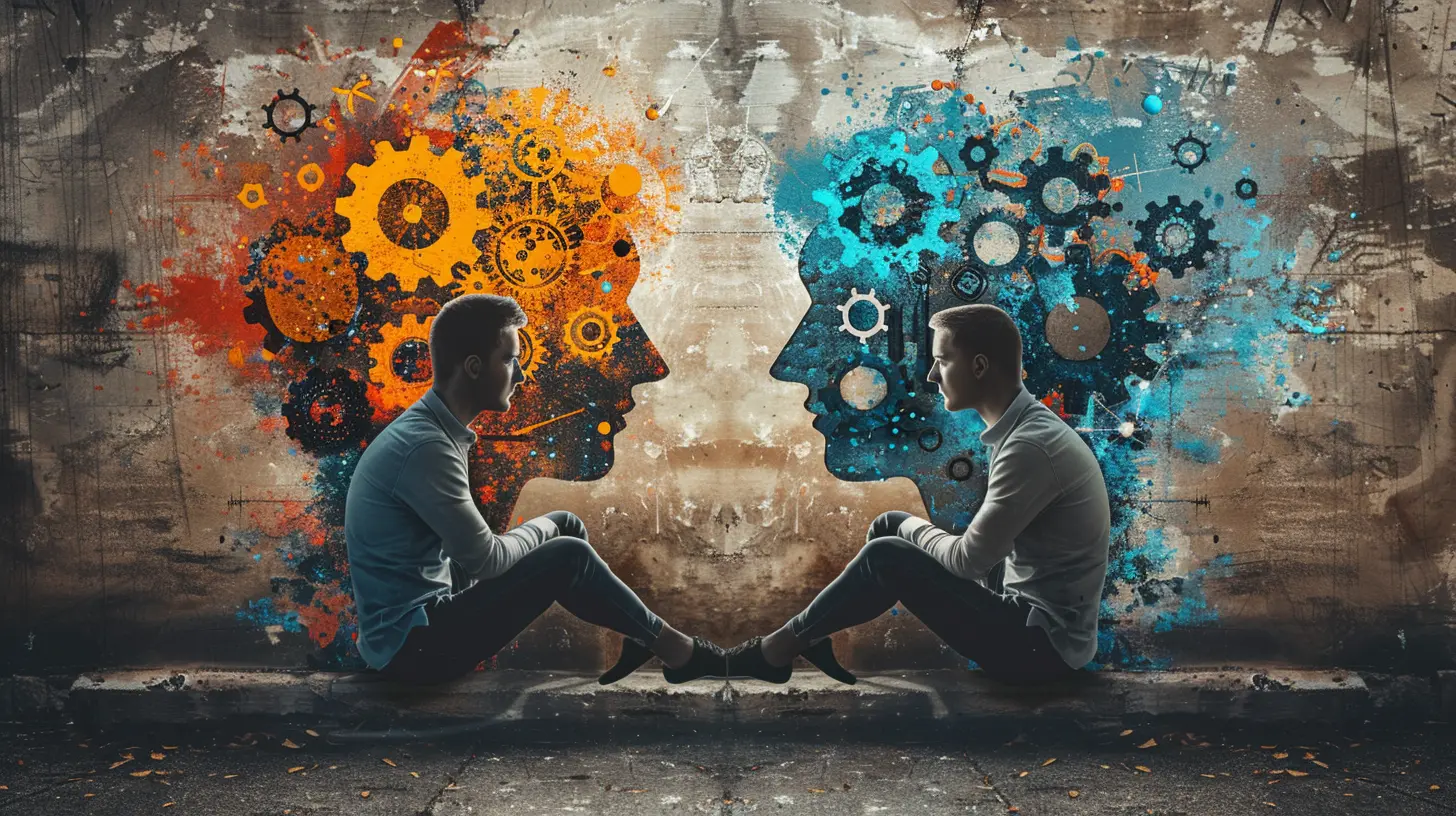
💪 Neuroplasticity and Personal Development: The Power Couple
Now that you get the basics, let’s connect the dots. How does this apply to your personal growth?1. Changing Thought Patterns
Ever catch yourself thinking stuff like:- “I’m not good enough.”
- “I always mess things up.”
- “Nothing ever works out for me.”
These are real examples of neural pathways you’ve reinforced over time. But here’s the empowering truth: you aren’t stuck with them. Thanks to neuroplasticity, you can literally rewire your brain to think more positively.
Affirmations. Journaling. Gratitude practices. They work because they help build new, healthier thought patterns. When practiced consistently, they form brand new neural connections, making it easier to think good things about yourself.
2. Overcoming Limiting Beliefs
We all carry around limiting beliefs—ideas we've absorbed over time that keep us playing small. Maybe you believe you're too old to start something new. Or that you're just not “a creative person.”These beliefs are just mental habits—repeated thoughts. And like any habit, they can be unlearned and replaced.
With intention and repetition, you can “unwire” those old beliefs and replace them with empowering ones. Think of it like updating your mental operating system.
3. Building New Habits
Want to wake up at 5 AM? Start working out regularly? Become more focused?It all comes down to repetition and consistency. With every action, you’re laying down a new neural track. Over time, that track becomes the go-to route for your brain. That’s how a new habit becomes second nature.
It won’t feel easy in the beginning—because your brain is resisting unfamiliar paths. But stick with it, and your brain adapts. The discomfort? That’s actually your mind transforming.
🔄 Neuroplasticity Isn’t Instant—But It’s Worth It
Here’s the kicker: while neuroplasticity is powerful, it’s not always fast. Rewiring your brain takes time, effort, and yes, a little grit. It's like learning to play an instrument—awkward and clumsy in the beginning, but smoother with time.But think of it this way: every time you choose a better thought, a healthier behavior, or a kinder response, you’re investing in future-you. And trust me, future-you is grateful.
🧘♂️ Tools That Supercharge Neuroplasticity
Want to speed up the process? Here are some scientifically-backed tools and techniques to flex your brain’s plastic muscles.🧘♀️ 1. Mindfulness Meditation
Meditation isn’t just for monks. Studies show that mindfulness meditation can increase gray matter in the brain and enhance emotional regulation. Translation? It makes it easier to stay calm, focused, and resilient through life’s chaos.Even ten minutes a day can make a BIG difference.
🤯 2. Visualization
Athletes have used it for decades—because it works. When you vividly imagine yourself succeeding, overcoming, or thriving, your brain treats it as if it really happened. That helps strengthen the neural circuits involved in those actions.It’s mental rehearsal, and it primes you for real-world success.
✍️ 3. Journaling
Journaling helps you track your progress, process emotions, and reinforce new beliefs. Writing things down is like engraving them into your brain. Want to rewire more effectively? Get those thoughts out of your head and onto paper.🎯 4. Setting Tiny (Achievable) Goals
Small wins build momentum. When you set and achieve tiny goals, your brain gets a little dopamine hit—the feel-good chemical that rewards learning and growth. That positive reinforcement strengthens your new neural pathways.Think micro-habits, like drinking more water or stretching for 2 minutes.
🚫 Warning: Watch Out for Negative Neuroplasticity
Yes, there’s a dark side. Just like you can build good habits and thoughts, your brain can also adapt to toxic ones. Chronic stress, negativity, social media addiction, or endless complaining?Yeah… your brain rewires for those too.
That’s why awareness is key. What you consume, think, and feel daily… it all counts. Be intentional with what you're feeding your mind. You’re either building yourself up or tearing yourself down—there’s not much in between.
💥 Real-Life Examples of Neuroplasticity in Action
Let’s ditch the theory for a sec. Here are some real-world stories showcasing how neuroplasticity works in personal development:🧓 Case 1: Stroke Recovery at 60+
A woman suffers a stroke and loses movement in her left side. With intensive physical therapy and repetition, her brain begins to re-route signals and regain function. Neuroplasticity literally rebuilt her body’s communication system.If her brain can do that, imagine what yours can do with a little intention.
💼 Case 2: Career Pivot in Midlife
John, a 45-year-old accountant, always wanted to try coding. He started learning online and spent 30 minutes daily writing code. At first, it was like learning a new language (because it is). After 6 months, he switched careers entirely. His brain learned a COMPLETELY new skillset—thanks to neuroplasticity.😌 Case 3: Healing From Trauma
Emily suffered from anxiety for years due to childhood trauma. She began going to therapy, practiced mindfulness, and used journaling to change her internal dialogue. Over time, her brain stopped defaulting to panic and started leaning into safety and calm. If that’s not inspiring, what is?⏳ It’s Never Too Late
Think you missed your window for change? Think again.Neuroplasticity doesn’t stop at a certain age. In fact, studies have shown that even 80-year-olds can create new connections in the brain. Of course, younger brains may change faster, but the potential for change never disappears.
Age is not a limitation. It’s just a number.
😊 Final Thoughts: You’re the Artist, Your Brain is the Canvas
Your brain isn’t set in stone—it’s a masterpiece in progress. Neuroplasticity puts the paintbrush in your hand. Every thought, habit, emotion, and experience is a brushstroke shaping who you are and who you can become.So if you've been telling yourself, "This is just the way I am," it’s time to toss that phrase in the trash. You can change. You can grow. You can become someone new—one neural connection at a time.
It won’t happen overnight. But over time? It’ll be the most rewarding journey you’ll ever take.
The best part? Your mind’s already ready.
all images in this post were generated using AI tools
Category:
Self ImprovementAuthor:

Nina Reilly
Discussion
rate this article
2 comments
Bryson Cook
Neuroplasticity is a fascinating mechanism that enables the brain to reorganize itself through learning and experience. Understanding its role can empower individuals to foster personal growth and overcome challenges effectively.
March 28, 2026 at 3:53 AM
Nina Reilly
Thank you for your insightful comment! Neuroplasticity truly plays a crucial role in personal development, enabling us to adapt and grow through our experiences.
Nix Roberts
Neuroplasticity significantly contributes to personal development by enabling the brain to reorganize itself, fostering new learning, behaviors, and emotional resilience over time.
March 17, 2026 at 4:35 AM
Nina Reilly
Absolutely, neuroplasticity is key to our growth. It shows how adaptable our brains are, allowing us to learn and overcome challenges throughout life.