The Role of Neurotransmitters in Mood Disorders
3 December 2025
Have you ever felt down for days without knowing why? Or maybe experienced a rush of happiness that seemed to come out of nowhere? While a lot goes into how we feel—like our environment or relationships—there’s something deeper at play inside our brains: neurotransmitters.
These tiny chemical messengers play a massive role in shaping our emotions and behaviors. So, if you’ve ever wondered what’s happening inside your head when you’re feeling anxious, depressed, or overly joyful, you’re in the right place.
In this post, we’re going to break down the role of neurotransmitters in mood disorders in a way that’s simple, relatable, and, most of all, human. Grab a cup of tea, get comfy, and let’s dive into the fascinating world inside your brain.
What Are Neurotransmitters, Anyway?
Alright, let’s keep this simple. Think of your brain as a massive city. In this city, there are millions of little cars (neurons) trying to send messages to each other. But these cars can’t pass notes unless they have a special kind of fuel—neurotransmitters.Neurotransmitters are chemical substances that help transmit signals between nerve cells in the brain. They’re like text messages that tell your brain how to think, act, and feel. When everything’s working smoothly, you feel balanced. But when there’s a glitch? That’s often where mood disorders start kicking in.
The Big Players: Key Neurotransmitters That Affect Mood
When it comes to mood disorders, not all neurotransmitters are created equal. Here are the top three that usually steal the spotlight:1. Serotonin – The “Feel-Good” Chemical
Ever heard someone say, “I’m low on serotonin” when they’re feeling blue? It’s not just a meme—there’s science behind it.Serotonin plays a huge role in regulating mood, sleep, appetite, and even how you process pain. When levels drop too low, it can lead to symptoms of depression or anxiety.
But here’s the kicker: it’s not just about having “more” serotonin. It’s also about how efficiently your brain uses it. It’s like having gallons of gas but a leaky fuel tank—you’re still stranded.
Antidepressants like SSRIs (Selective Serotonin Reuptake Inhibitors) help by making serotonin more available in the brain. Basically, they patch up the leaks so your brain has a better chance of getting that fuel.
2. Dopamine – The Motivation Molecule
Dopamine is all about rewards. It tells your brain, “Hey, that felt good—let’s do it again!”Whether it's eating your favorite chocolate or achieving a goal, dopamine is what gives you that rush of pleasure and motivation. So when dopamine levels are low, guess what? You feel apathetic, unmotivated, and maybe even emotionally flat.
This is especially relevant in conditions like depression and bipolar disorder. In fact, some researchers believe that certain types of depression might be more about a dopamine imbalance than serotonin.
3. Norepinephrine – The Energy Regulator
If serotonin is about balance and dopamine about pleasure, then norepinephrine is the adrenaline of the brain. It’s what gets you up in the morning, ready to face the day.But when norepinephrine is either too low or too high, it can mess with your energy levels, focus, and stress response. Anxiety disorders often involve too much norepinephrine, making you feel like you're running from a tiger—except there's no actual tiger.
Low norepinephrine, on the other hand, can contribute to fatigue, brain fog, and mood swings—common symptoms in depression.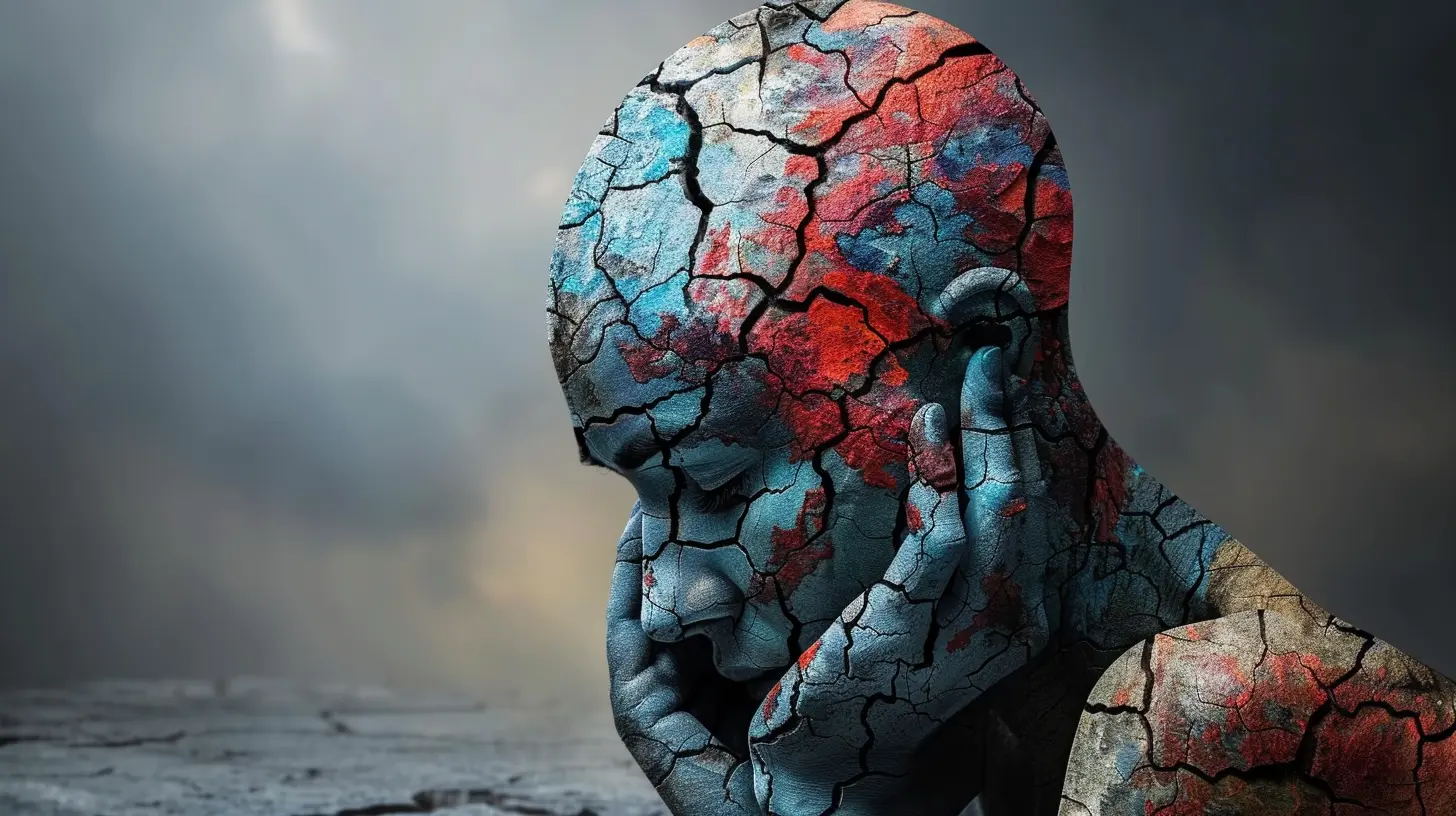
How Imbalances in Neurotransmitters Lead to Mood Disorders
So how does all this tie into mood disorders—things like depression, anxiety, bipolar disorder, and more?Let’s break it down:
Depression
Depression is often a mix of several neurotransmitter imbalances—mainly serotonin, dopamine, and norepinephrine. That’s why symptoms can range from feeling sad and hopeless to being unable to concentrate or enjoy life.Imagine trying to drive a car:
- No serotonin? You might not even feel emotionally safe enough to start it.
- No dopamine? You’ve got no gas to move forward.
- No norepinephrine? You don’t even have the energy to reach for the keys.
Now imagine all three are out of whack. No wonder depression can feel like being stuck underwater with no way to surface.
Anxiety Disorders
With anxiety, the brain is often in overdrive, flooded with norepinephrine and sometimes lacking balancing chemicals like GABA (another neurotransmitter we’ll talk about shortly).This high-alert state means any small thing can set off your internal alarm bells. You may feel constantly on edge, hyper-aware, and unable to relax.
Bipolar Disorder
Bipolar disorder is like a chemical rollercoaster. During manic phases, dopamine and norepinephrine might be through the roof—hence the energy, euphoria, and impulsiveness.During depressive phases, those same chemicals can crash hard, leading to feelings of hopelessness or sluggishness. The exact causes aren’t fully understood, but these neurotransmitter shifts are one major piece of the puzzle.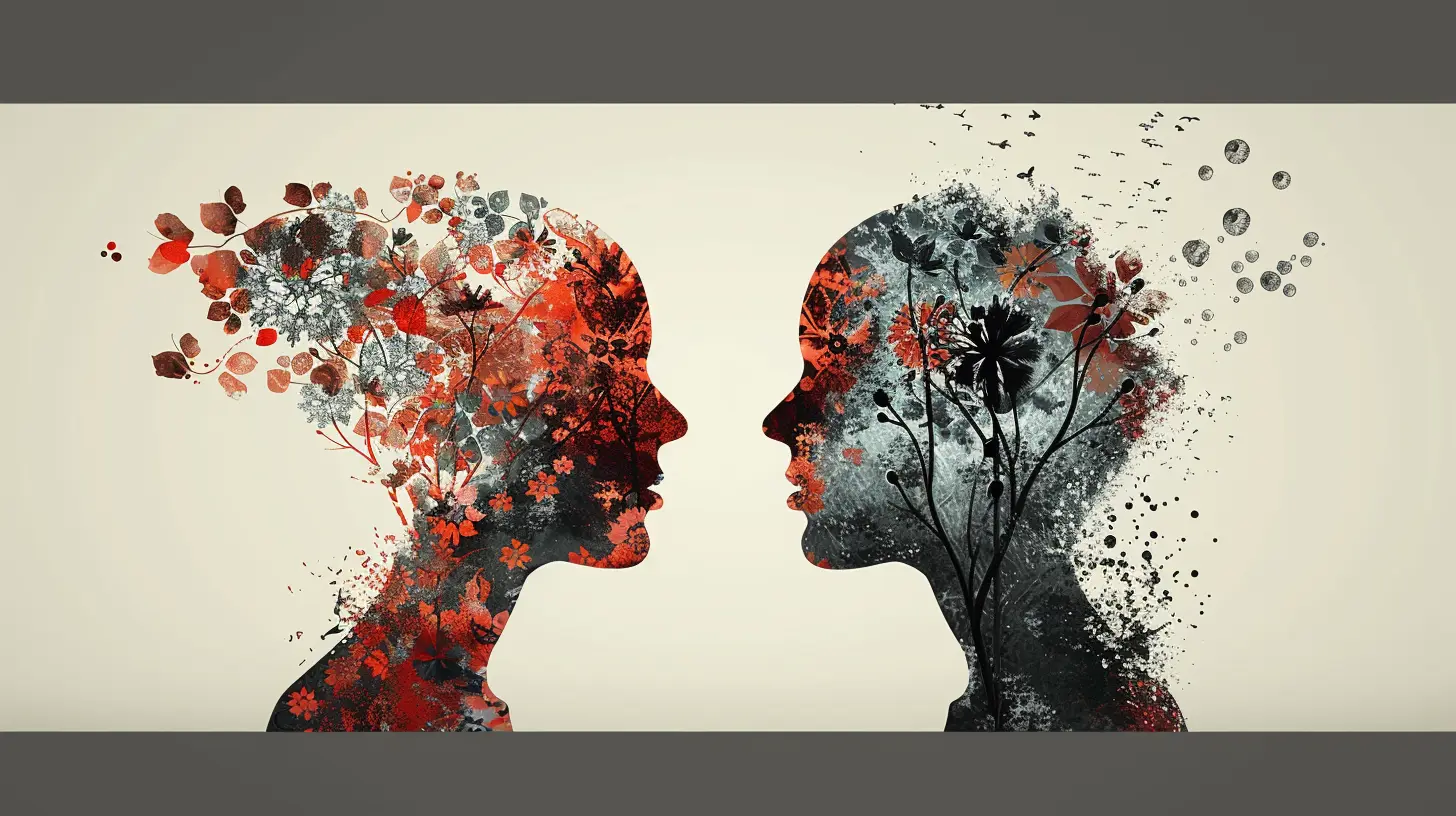
Other Important Neurotransmitters You Should Know About
While serotonin, dopamine, and norepinephrine are the MVPs, there are other players on the field worth mentioning:GABA (Gamma-Aminobutyric Acid)
Think of GABA as the brain’s natural calming agent. It slows things down and prevents your neurons from firing like crazy.Low GABA levels are often found in people with anxiety disorders. Without it, your brain might feel like it's constantly stuck in traffic with the horn blaring.
Glutamate
This one’s a big deal, especially when it comes to brain function and memory. But too much glutamate can be toxic and lead to overexcitation of the brain—a problem noted in some cases of bipolar disorder and even schizophrenia.Endorphins
These are your brain’s natural painkillers and mood elevators. Doing something physically or emotionally rewarding? That’s endorphins giving you a pat on the back.Why Do Neurotransmitter Levels Get Out of Whack?
This is where things get tricky. There’s no single answer, but a few common factors include:- Genetics: Some people are born with brain chemistry that puts them at a higher risk of mood disorders.
- Chronic Stress: Long-term stress floods the brain with cortisol, which can deplete or damage neurotransmitter systems over time.
- Diet and Lifestyle: Lack of exercise, poor nutrition, and substance use can all impact your brain’s ability to produce and use neurotransmitters efficiently.
- Trauma: Emotional or physical trauma, especially in early life, can disrupt the brain's chemical development.
- Medical Conditions: Things like inflammation, autoimmune disorders, or hormonal imbalances can also play a role.
How Treatments Address Neurotransmitter Imbalances
If neurotransmitter imbalances are the root cause of many mood disorders, then it makes sense that many treatments aim to restore that balance.Medication
Antidepressants, mood stabilizers, and anti-anxiety meds are often designed to tweak neurotransmitter levels. Some raise serotonin, others balance dopamine and norepinephrine, and a few even target GABA.These medications don’t "fix" you, but they can give your brain the chemical nudge it needs to function more effectively while you work on the emotional and psychological aspects of healing.
Therapy
Believe it or not, talking can change your brain chemistry. Cognitive Behavioral Therapy (CBT), for instance, has been shown to actually increase serotonin levels over time.Therapy helps you identify negative thought patterns that might be influencing your brain’s chemical responses, giving you more control over your mood.
Lifestyle Changes
Sometimes, the simplest solutions can have the biggest impact.- Exercise: Boosts dopamine, serotonin, and endorphins.
- Sleep: Regulates all neurotransmitters.
- Nutrition: Your brain needs raw materials to make those precious chemicals.
- Mindfulness & Meditation: Enhances GABA and lowers cortisol.
Final Thoughts: It’s Not Just In Your Head
If there's one takeaway from all of this, it's that mood disorders are very real, and there’s a complex web of chemical interactions behind them. You’re not just “being dramatic” or “too sensitive.” Your brain chemistry genuinely affects how you experience the world.The best part? Science is constantly evolving, giving us new insights and more effective treatments every year. Whether it’s through medication, therapy, or lifestyle changes, there are many paths to healing—and it all starts with understanding what’s happening inside your brain.
So next time you’re feeling off, don’t beat yourself up. Remember, it might just be a chemical whisper asking for a little extra care.
all images in this post were generated using AI tools
Category:
Psychological DisordersAuthor:

Nina Reilly
Discussion
rate this article
1 comments
Zain Fisher
Understanding neurotransmitters is key to unlocking the mysteries of mood disorders. Knowledge empowers us to seek help and fosters hope. Together, we can break barriers and nurture mental well-being for ourselves and others. Keep shining!
December 9, 2025 at 4:46 PM
Nina Reilly
Thank you for your insightful comment! I completely agree—understanding neurotransmitters is crucial in addressing mood disorders and promoting mental well-being. Together, we can make a difference!