The Science Behind Attention Deficit Disorder: What Research Tells Us
4 June 2026
Ever feel like your mind is racing a million miles an hour, but somehow you're still not getting anything done? Like you're juggling flaming swords and dropping every single one? That’s what many people with Attention Deficit Disorder (ADD) experience daily — and no, it’s not just about being distracted by shiny objects or forgetting where you left your keys.
ADD is more than a buzzword or an excuse for being “scatterbrained.” It has a deep-rooted neurological basis that science has been unpacking for decades. So, if you’ve ever wondered what’s really going on in the brain of someone with ADD, strap in. We're about to break it down.
What Exactly Is Attention Deficit Disorder?
Okay, first things first. Attention Deficit Disorder, commonly known as ADD, is actually an outdated term. Today, the correct term used by professionals is ADHD — Predominantly Inattentive Presentation. Yep, it’s a mouthful.Here's the deal: ADHD stands for Attention-Deficit/Hyperactivity Disorder, and it's been categorized into three types:
- Predominantly Inattentive (formerly ADD)
- Predominantly Hyperactive-Impulsive
- Combined Presentation
When people talk about ADD, they’re usually referring to the inattentive type, where hyperactivity isn’t super obvious. Think daydreaming, forgetfulness, zoning out — all the subtle stuff that’s easy to miss but just as disruptive.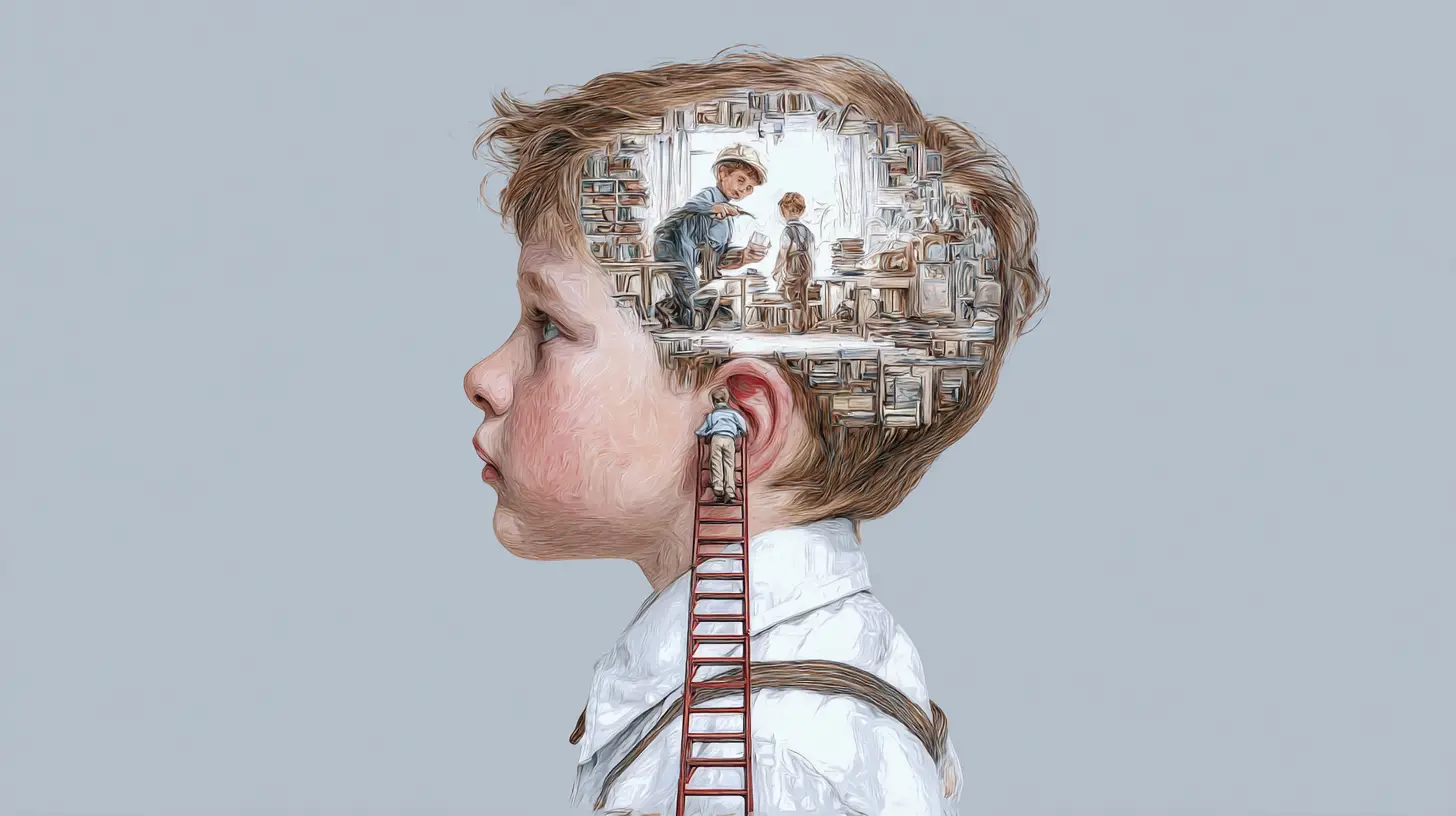
The Brain on ADD: What’s Going On Upstairs?
Let’s take a peek under the hood. Imagine your brain as a massive city with highways of information zipping around. Now imagine traffic lights aren’t working properly in key intersections — chaos, right? That’s kind of what’s happening in the brains of people with ADD.1. Neurotransmitters on the Fritz
The big players here are dopamine and norepinephrine, the brain’s chemical messengers. These fellas help regulate attention, motivation, and executive function. In ADD brains, these chemicals don’t work as efficiently — either the brain's not producing enough, or the receptors aren’t responding properly.Without enough dopamine, focusing on a boring task feels like pulling teeth. But when something exciting shows up? BAM — suddenly there’s laser focus (hello, hyperfocus).
2. The Prefrontal Cortex: The Command Center
This part of the brain helps with planning, decision-making, impulse control, and attention. Basically, it’s the boss. But in those with ADD, it’s like the boss took an extended lunch break. Brain scans have shown that the prefrontal cortex tends to be less active — which makes it harder to organize thoughts, prioritize, and manage time.3. Brain Structure and Connectivity
Researchers have also found differences in the size and connectivity of certain brain regions. For example, the anterior cingulate cortex, which helps manage emotional responses and attention, can be less developed. Moreover, networks in the brain that handle focus and rest (like the Default Mode Network and the Task Positive Network) may not synchronize properly. It’s like having two radio stations playing at once in your head — hard to tune in to just one.
Genetics: Is ADD Running in the Family?
Spoiler alert: Yes, it probably is. If someone in your family has ADD, there’s a good chance it’s lurking in your DNA too.The Genetic Connection
ADD is one of the most heritable psychiatric conditions out there. Studies suggest that up to 80% of the risk for developing ADD is genetic. That’s higher than most people expect.Scientists have identified several gene variants associated with the disorder — particularly those related to dopamine transporters and receptors. It’s like some people are wired from birth to have that “ADD brain.”
Still, genetics isn’t destiny. Just because you’ve inherited a tendency doesn’t guarantee you’ll develop symptoms. Which leads us to the next piece of the puzzle.
Environmental Factors: Nature Meets Nurture
Even with strong genetic ties, the environment plays a big role. Certain circumstances during pregnancy, birth, or early childhood can increase the risk of developing ADD.Risk Factors Include:
- Exposure to alcohol, nicotine, or drugs in utero- Premature birth or low birth weight
- Early exposure to toxins like lead
- Highly stressful environments or chronic trauma
None of these cause ADD on their own, but they can frame the stage for it to show up if the genetic cards are already stacked.
Diagnosing The Invisible: How Is ADD Identified?
ADD isn’t like a broken arm — there’s no cast, no X-ray, no big flashing sign saying “Hey, look here!” Diagnosis is a bit more complex.It’s All About the Patterns
To get diagnosed, someone needs to show persistent patterns of inattention that interfere with daily life. That means it's not just being spacey once in a while. We're talking chronic forgetfulness, inability to focus on tasks, losing stuff constantly, or missing deadlines — and it has to happen across multiple settings (school, work, home).What Tools Are Used?
Doctors and psychologists use:- Behavior rating scales (like the Vanderbilt or Conners)
- Interviews with the patient and family members
- Medical evaluations to rule out other causes
There’s no single test. It’s really more about gathering the clues and connecting the dots. Think of it like being a brain detective.
ADHD vs. ADD: Why the Confusion?
This is where things get messy. People often use ADD when they really mean ADHD—inattentive type. So why all the muddled terminology?The term “ADD” was used until the late 1980s, when experts updated it in the DSM (Diagnostic and Statistical Manual of Mental Disorders). Since then, all types fall under the ADHD umbrella, even if there’s no hyperactivity present.
So technically, ADD = ADHD, Inattentive Type. Same condition, different names depending on when you were diagnosed or who you're talking to.
ADD in Adults: It Doesn’t Just Go Away
Here’s a shocker for many — you don’t just “grow out” of ADD. About 60% of kids with ADD will continue to experience symptoms into adulthood.Adult ADD often looks different though. Instead of running around and climbing everything like kids might, adults struggle more with:
- Procrastination
- Chronic disorganization
- Time blindness (yes, that’s a thing)
- Difficulty maintaining relationships or jobs
And worse, many adults go undiagnosed and just assume they're lazy, forgetful, or flaky. When in reality, their brains are just wired differently.
Treatment Options: What Actually Helps?
Alright, let’s talk solutions. The good news? ADD is very manageable with the right tools.1. Medication: Balancing the Chemicals
Stimulants like Adderall and Ritalin are the most common treatments. They boost dopamine and norepinephrine levels, which helps regulate attention and impulse control. Non-stimulant options are also available (like Atomoxetine), especially for those who don’t tolerate stimulants well.Important note: Medication isn't a “cure,” but for many, it’s like flipping a light switch in a previously dim room.
2. Behavioral Therapy
This helps individuals develop coping strategies, habits, and routines that work with their brains — not against them. Think of it like training your mind at the gym.3. Cognitive Behavioral Therapy (CBT)
CBT helps tackle negative thought patterns and emotional struggles related to ADD. It’s especially helpful for adults dealing with shame, anxiety, or low self-esteem caused by years of undiagnosed challenges.4. Lifestyle Tweaks
Exercise, sleep, and diet might sound like generic advice, but they’re crucial for managing symptoms. Regular physical activity, in particular, has been shown to boost dopamine levels naturally. (So yes, that morning jog really can help!)Myths & Misunderstandings About ADD
Let’s bust a few common myths:- “It’s just bad parenting.” Nope. ADD is a neurodevelopmental disorder, not a result of permissive parenting.
- “People with ADD can focus when they want to.” True, but that’s the trap. They can hyperfocus on things they find stimulating — but struggle to control focus on demand.
- “It’s overdiagnosed.” Actually, many people go undiagnosed, especially girls and adults who don’t show hyperactivity.
- “It’s not a real disorder.” Tell that to the mountain of brain scans, genetic studies, and clinical research proving otherwise.
The Future of ADD Research
Science isn’t done yet. Researchers are diving into:- Brain imaging tech to better understand ADHD subtypes
- Personalized medicine based on genetics
- Digital therapeutics — apps and games that act like brain workouts
- More holistic approaches combining traditional and alternative therapies
We're moving toward a future where treatment is more tailored, accurate, and effective across the lifespan.
So, What’s the Takeaway?
ADD isn't a laziness issue. It's not a phase. And it’s definitely not about choosing not to pay attention. It’s a complex brain-based condition influenced by a fascinating mix of genetics, brain chemistry, and environment.Understanding the science behind ADD helps break down stigma and opens up new doors for empathy and support. Whether you're living with it or love someone who is, just know this — it's not a character flaw. It's a neurological difference. And with the right tools and understanding? People with ADD can thrive.
all images in this post were generated using AI tools
Category:
Attention Deficit DisorderAuthor:

Nina Reilly
Discussion
rate this article
1 comments
Mae McCoy
Great article! It's so important to understand the science behind Attention Deficit Disorder. Your insights shed light on a topic that affects many lives.
June 13, 2026 at 2:50 AM
Nina Reilly
Thank you for your kind words! I'm glad you found the article helpful in understanding this important topic.