Understanding and Managing Seasonal Affective Disorder
25 April 2026
Have you ever noticed feeling down when the seasons change? If so, you’re not alone. Many people experience a shift in mood as the days get shorter and colder. But for some, this seasonal slump goes beyond just feeling a little gloomy—it’s something more serious called Seasonal Affective Disorder (SAD).
SAD is a type of depression that occurs at the same time each year, usually in the fall and winter months. It can sap your energy, make you feel hopeless, and even affect your daily routine. But the good news? It's manageable.
Let’s dive into what causes SAD, its symptoms, and, most importantly, how you can take control and feel better.
What Is Seasonal Affective Disorder?
Seasonal Affective Disorder is more than just the "winter blues." It’s a recognized form of depression that follows a seasonal pattern, primarily in autumn and winter.While the exact cause isn’t fully understood, researchers believe that changes in sunlight exposure play a major role. The lack of natural light can disrupt the body's internal clock, mess with serotonin levels (the "happy hormone"), and throw off melatonin production, which controls sleep and mood.
Who Is at Risk?
Certain factors increase the likelihood of developing SAD, including:- Geography: The farther you live from the equator, the greater the risk due to reduced sunlight exposure.
- Gender: Women are more likely to be diagnosed with SAD than men.
- Age: Young adults are at a higher risk compared to older adults.
- Family History: If depression runs in your family, your risk for SAD may be higher.
- Existing Mental Health Conditions: People with depression or bipolar disorder may experience worse symptoms during seasonal changes.

Recognizing the Symptoms
SAD is more than just a temporary bad mood. It can affect your physical, emotional, and mental well-being. Common symptoms include:- Persistent low mood – You feel down most of the time.
- Loss of interest – Hobbies and activities you once enjoyed no longer excite you.
- Sleep problems – You might struggle with insomnia or sleep too much.
- Fatigue and low energy – Getting out of bed feels like a battle.
- Irritability – Small things seem to upset you more than usual.
- Difficulty concentrating – Work and daily tasks become harder.
- Changes in appetite – Many people with SAD crave carbs and gain weight.
- Feelings of hopelessness or worthlessness – These symptoms can be severe and distressing.
It’s important to recognize when these feelings go beyond typical winter blues and start interfering with your daily life. If they do, it’s time to take action.
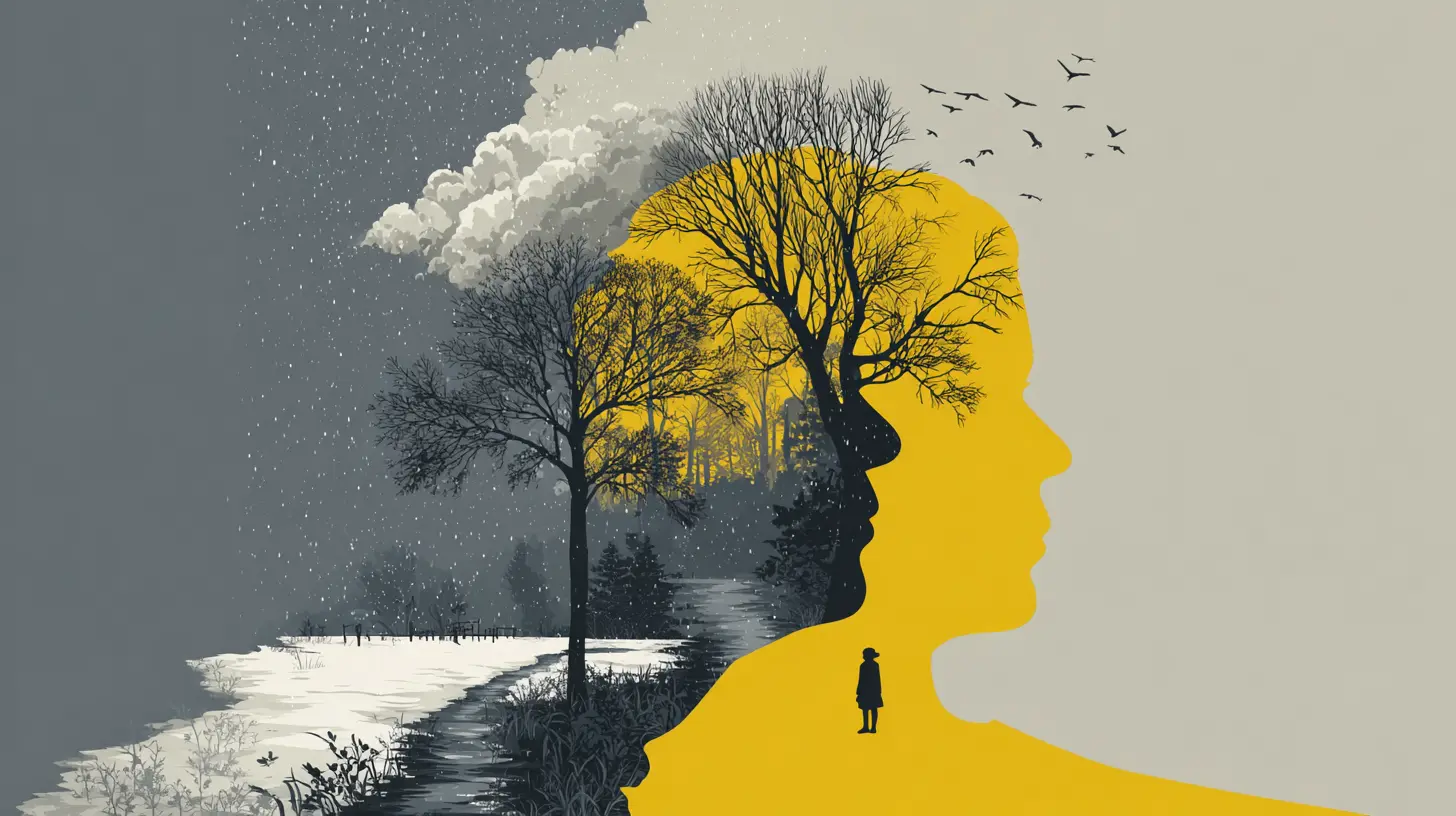
How to Manage Seasonal Affective Disorder
The good news? There are multiple ways to treat and manage SAD effectively.1. Get More Sunlight
One of the simplest and most natural ways to combat SAD is by increasing your exposure to sunlight.- Step outside during daylight hours, even if it’s cold.
- Sit near windows to soak in natural light.
- Take short outdoor walks, especially in the morning.
Even on cloudy days, natural light has benefits. Your body craves it, so give it what it needs!
2. Try Light Therapy
If getting enough natural sunlight isn’t possible, light therapy (or phototherapy) can help. This involves sitting in front of a special light box that mimics natural sunlight.- Use a 10,000-lux light box for about 20–30 minutes each morning.
- Sit 12–18 inches away from the light source.
- Avoid looking directly at the light.
Light therapy helps regulate melatonin and serotonin, improving mood and energy levels. Many people find it highly effective, but check with a doctor before starting.
3. Maintain a Healthy Diet
Your diet plays a crucial role in mental well-being. Certain foods can boost brain function and stabilize mood.- Eat complex carbs (like whole grains, fruits, and vegetables) rather than sugary snacks.
- Increase omega-3 fatty acids by eating salmon, walnuts, and flaxseeds.
- Limit caffeine and alcohol, as they can make symptoms worse.
A balanced diet supports overall mental health and helps combat fatigue and mood swings.
4. Stay Active
Exercise is a natural antidepressant. When you move your body, you release endorphins—chemicals that make you feel happier.- Aim for 30 minutes of moderate exercise most days.
- Try aerobic activities like jogging, swimming, or dancing.
- Even walking outdoors can provide a double benefit—movement and sunlight!
If motivation is low, start small and build up. Your body (and mind) will thank you.
5. Establish a Sleep Routine
SAD can seriously mess with your sleep patterns. Sticking to a regular sleep schedule can help:- Go to bed and wake up at the same time every day.
- Avoid screens (TV, phone, tablet) at least an hour before bed.
- Keep your room dark and cool for optimal sleep.
Quality sleep is essential to maintaining energy and fighting off depression.
6. Connect with Others
When you’re feeling down, isolating yourself can make things worse. Stay connected with family and friends.- Schedule regular catch-ups, even if it’s just a phone call.
- Engage in social activities or group hobbies.
- Don’t hesitate to reach out for support—it makes a difference.
Human connection can be a powerful antidote to seasonal depression.
7. Consider Therapy
If SAD is severely impacting your life, talking to a therapist can help. Cognitive Behavioral Therapy (CBT) is particularly effective in treating seasonal depression.A therapist can help you:
- Identify negative thought patterns.
- Develop coping strategies.
- Prevent symptoms from worsening.
You don’t have to go through this alone—help is available.
8. Medication Options
For some, medication might be necessary. Doctors sometimes prescribe antidepressants, such as Selective Serotonin Reuptake Inhibitors (SSRIs), to help balance brain chemicals.If you’re struggling with severe symptoms, consult a doctor to see if medication is right for you.
Final Thoughts
Seasonal Affective Disorder is real, but it doesn’t have to dictate your life. By taking proactive steps—like getting more light, staying active, maintaining a healthy sleep routine, and seeking support—you can manage the effects and feel like yourself again.Remember, it’s okay to seek help. Whether through therapy, lifestyle changes, or medical solutions, there are plenty of ways to combat SAD and embrace each season with a positive mindset.
So, as the days grow darker, take control of your mental health. You deserve to feel good all year round.
all images in this post were generated using AI tools
Category:
Mental HealthAuthor:

Nina Reilly
Discussion
rate this article
2 comments
Harley Brooks
Embrace light therapy and outdoor time; even winter deserves a little sunshine for mental clarity.
July 5, 2026 at 3:56 PM
Nina Reilly
Absolutely, embracing light therapy and getting outside can really boost mood during those darker months. It's essential for mental clarity.
Hope Foster
Thank you for this insightful article on Seasonal Affective Disorder. The practical tips offered for understanding and managing symptoms are invaluable, especially during the winter months. Raising awareness about this condition is crucial, and your work helps foster compassion and support for those affected. Keep up the great work!
April 26, 2026 at 4:36 AM
Nina Reilly
Thank you so much for your kind words! I'm glad you found the article helpful and appreciate your support in raising awareness about Seasonal Affective Disorder.