Understanding the Adolescent Brain and Emotional Health
14 August 2026
Let’s be honest—teenagers are complicated. One minute they’re laughing, and the next, they’ve stormed off to their room. If you’ve ever felt like you're walking on eggshells around a teenager or if you are one yourself trying to make sense of your emotions, you’re not alone. The teenage years are packed with intense emotions, impulsive decisions, and brain rewiring that often feels like a rollercoaster ride.
The good news? There’s a scientific reason behind all this chaos. Understanding the adolescent brain and emotional health isn’t just for psychologists or doctors—it’s valuable for parents, teachers, and teens themselves. Knowing what’s going on inside the teenage brain helps make sense of the mood swings, the drama, and even those late-night existential crises.
So, grab a cup of coffee (or maybe an energy drink if you’re a teen up late studying), and let’s dive into the fascinating world of the adolescent brain.
What’s Happening Inside the Teenage Brain?
Brain Remodeling – It’s Not Just Puberty
We all know about the physical growth spurts during adolescence. Hello, acne and awkward height changes! But what’s even more dramatic is what’s happening upstairs—in the brain.From around age 10 to the early 20s, the adolescent brain undergoes a massive remodeling. It’s kind of like renovating a house while still living in it—messy, loud, and sometimes a little unpredictable.
During this time, two major processes take place:
1. Synaptic Pruning: Think of the brain like a jungle. In early childhood, it grows a ton of connections (synapses), more than it really needs. During adolescence, the brain starts trimming away the ones that aren’t used often, making the “wiring” more efficient.
2. Myelination: This is where neural pathways get insulated so messages travel faster. It’s like upgrading from dial-up to fiber-optic internet.
So yes, the teen brain is literally being rewired. This helps explain why behavior during these years sometimes seems inconsistent or extreme—because it is.
The Prefrontal Cortex vs. The Limbic System
The Battle of Logic and Emotion
Here’s where things get really interesting. Two key parts of the brain are at play during adolescence:- Prefrontal Cortex: The “CEO” of the brain. It handles logic, decision-making, and rational thought. The catch? It’s the last part of the brain to fully develop, often not until the mid-20s.
- Limbic System: The emotional center, dealing with feelings, rewards, and impulses. It matures much earlier.
Now, imagine giving the keys to a sports car (the limbic system) to a driver (the prefrontal cortex) who’s still learning to drive. That’s kind of what’s happening here. Teens feel emotions very intensely, but the brain isn’t fully equipped yet to manage them all with reason.
So, when your teen screams “You ruined my life!” over a missed party invite, it’s not drama—it’s biology.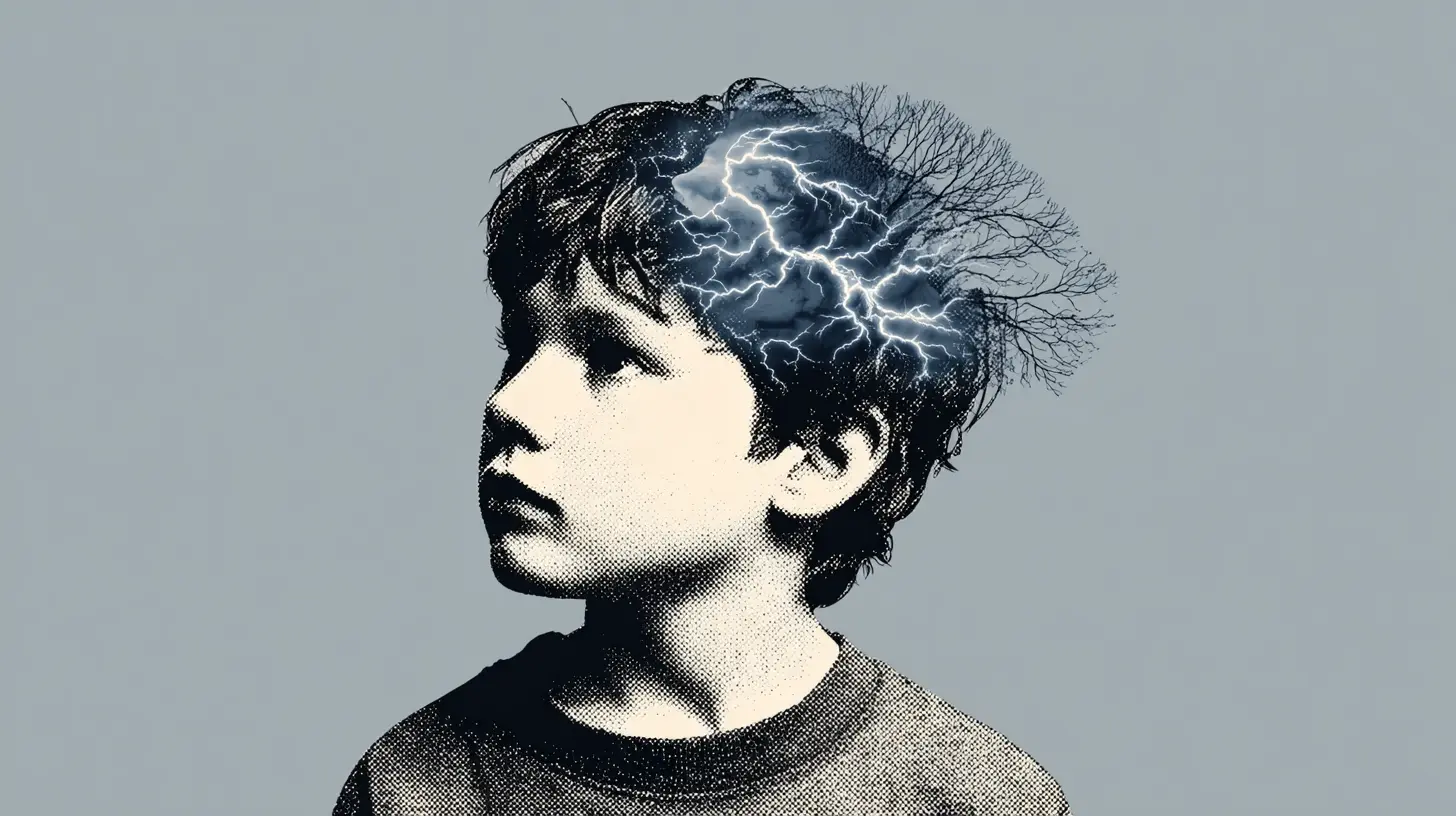
Why Do Teenagers Take More Risks?
Dopamine and the Thrill of the New
Teenagers are notorious for taking risks—driving too fast, trying weird food combinations, or making questionable fashion choices. Why?It’s all about dopamine, the feel-good chemical in the brain. Adolescents have a hypersensitive dopamine system and crave rewards more than adults. New experiences light up their brains like a fireworks display.
On top of that, their prefrontal cortex isn’t fully online yet to say, “Hey, maybe we shouldn’t jump off this roof with a homemade parachute.”
This doesn’t mean all teens are reckless—it just means their brains are wired to seek out new sensations and test limits. It’s actually a crucial part of becoming independent.
Emotional Health in Adolescence
Why Feelings Run Deep
Teen years aren’t just about mood swings and slammed doors. Emotional health during this time sets the stage for adult well-being.Between peer pressure, academic demands, social media, and self-exploration, teens are juggling a lot. Add in hormonal changes, and emotions can feel overwhelming.
Common emotional health challenges during adolescence include:
- Anxiety
- Depression
- Low self-esteem
- Identity confusion
- Loneliness
Some amount of emotional turbulence is normal. But when mood changes become extreme or persistent, they may signal a deeper issue.
How Social Media Impacts the Teen Brain
Filters, Likes, and Mental Health
Let’s face it—today’s teens live a big chunk of their lives online. Social media isn’t just an app—it’s practically another limb. But this constant digital connection isn’t always a good thing.Social media platforms are designed to trigger dopamine. Every like, comment, or share provides a small hit of reward. Over time, this can become addictive.
Plus, constant exposure to curated “perfect” lives can lead to:
- Body image issues
- Cyberbullying
- FOMO (fear of missing out)
- Sleep disturbances
- Reduced attention span
It’s not all bad—social media can promote self-expression and connection. But balance is key. Helping teens develop a healthy relationship with social media is crucial for emotional well-being.
Supporting Emotional Health in Adolescents
Tips for Parents, Caregivers, and Educators
So, how can you support the emotional health of a teenager without feeling like an intruder in their world? It’s a delicate dance, but here are some practical tips:1. Validate Their Feelings
Avoid saying things like “It’s not a big deal” or “You’re overreacting.” To a teen, their problems are real and intense. Listen without judgment and show empathy.2. Keep the Door Open
No teen wants to be interrogated. Instead, create a safe, open space where they can talk when they’re ready. Sometimes just hanging out with no agenda builds trust.3. Encourage Healthy Habits
Sleep, nutrition, and exercise massively impact emotional health. Teens may resist bedtime, but a well-rested brain functions way better.4. Monitor Without Spying
Respect their privacy but stay aware of their digital and real-world activities. Know their friends, ask about their day, and be subtly present.5. Seek Help When Needed
If your teen shows signs of serious anxiety, depression, or harmful behaviors, don’t hesitate to seek professional help. Therapy isn’t a last resort—it’s a valuable tool for growth.Talking to Teens About Emotions
Making Space for Vulnerability
Many teens struggle with naming their emotions. They might say "I'm fine" when they’re far from it.Help by modeling emotional literacy yourself:
- “I’ve had a rough day, and I’m feeling overwhelmed.”
- “It’s okay to be scared or confused.”
Encourage conversations about emotions without turning them into lectures. Use media (like movies or music) to open up dialogue. Sometimes talking about a character’s choices can lead to deeper discussions about real life.
The Long-Term Impact of Emotional Health in Teens
Building Brains for Life
Here’s the hopeful part: Emotional health habits developed during adolescence can shape a person’s entire future.Teens who learn to manage their feelings, set boundaries, and communicate effectively are more likely to have:
- Strong relationships
- Better mental health as adults
- Greater resilience under stress
It’s not about having a drama-free teenage experience (spoiler alert: nobody does). It’s about learning tools that turn the chaos into personal growth.
Final Thoughts: Embrace the Messy Magic
Adolescence is messy. It’s loud, emotional, and sometimes completely puzzling. But it’s also magical. It’s a time of self-discovery, bold dreams, and forming the blueprint for adulthood.Whether you’re parenting a teen, teaching one, or are one yourself, remember this: the chaos isn’t a flaw—it’s part of the process. The adolescent brain is learning, growing, and adapting at lightning speed.
So next time your teen seems “extra,” take a breath and remember—they’re not being difficult on purpose. Their brain is under construction. And with the right support, they’ll not only survive it—they’ll thrive.
all images in this post were generated using AI tools
Category:
Mental Health In AdolescenceAuthor:

Nina Reilly