Understanding the Effects of Trauma on Mental Health
28 January 2026
Let’s be real for a minute — life can hit hard sometimes. Whether it’s a sudden accident, a toxic relationship, childhood abuse, or something else altogether, trauma finds its way into people’s lives in all sorts of ways. And even long after the event has passed, the impact can linger — like an emotional hangover that just doesn’t go away.
So, what exactly happens when trauma enters the picture? More importantly, how does it affect our mental health? Grab a cup of tea, settle in, and let’s unpack this together. We’ll break it down in simple, relatable terms because understanding trauma is the first step toward healing.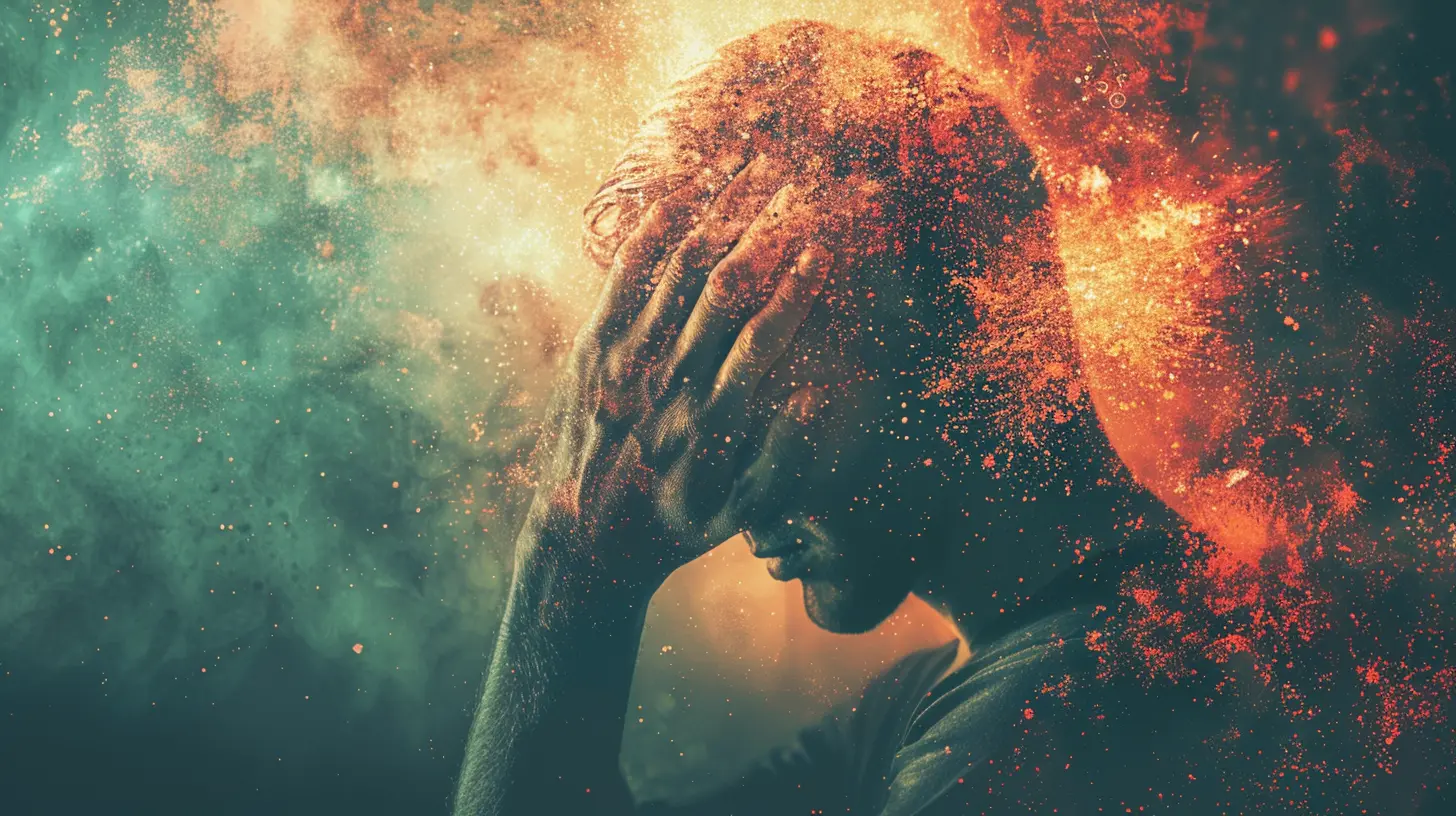
What Is Trauma Anyway?
Before diving into the effects, let’s get clear on what trauma actually is.Trauma isn’t just about what happened to you. It’s more about how your brain and body react to what happened. Trauma is the emotional and psychological response to a deeply distressing event — something that leaves you feeling helpless, terrified, or overwhelmed.
For example:
- A car crash
- Emotional or physical abuse
- Losing someone you love
- Natural disasters
- Ongoing neglect during childhood
Here's the kicker: what’s traumatic for one person might not be for someone else. It’s not about the event itself — it’s about how your mind and body process it.
Different Types of Trauma
Not all trauma looks the same. Let’s break it down into three main types so you know what you’re dealing with.1. Acute Trauma
This comes from a single distressing event — like a sudden accident or being assaulted. It hits hard and fast.2. Chronic Trauma
This is the long-game kind. It builds over time, often from repeated exposure to distress — think childhood neglect, domestic violence, or long-term bullying.3. Complex Trauma
A combination of multiple traumatic events, often interpersonal in nature. This type tends to show up in people who experienced abuse or abandonment during childhood.Each type comes with its own set of challenges, but they all affect mental health — in ways we might not even realize at first.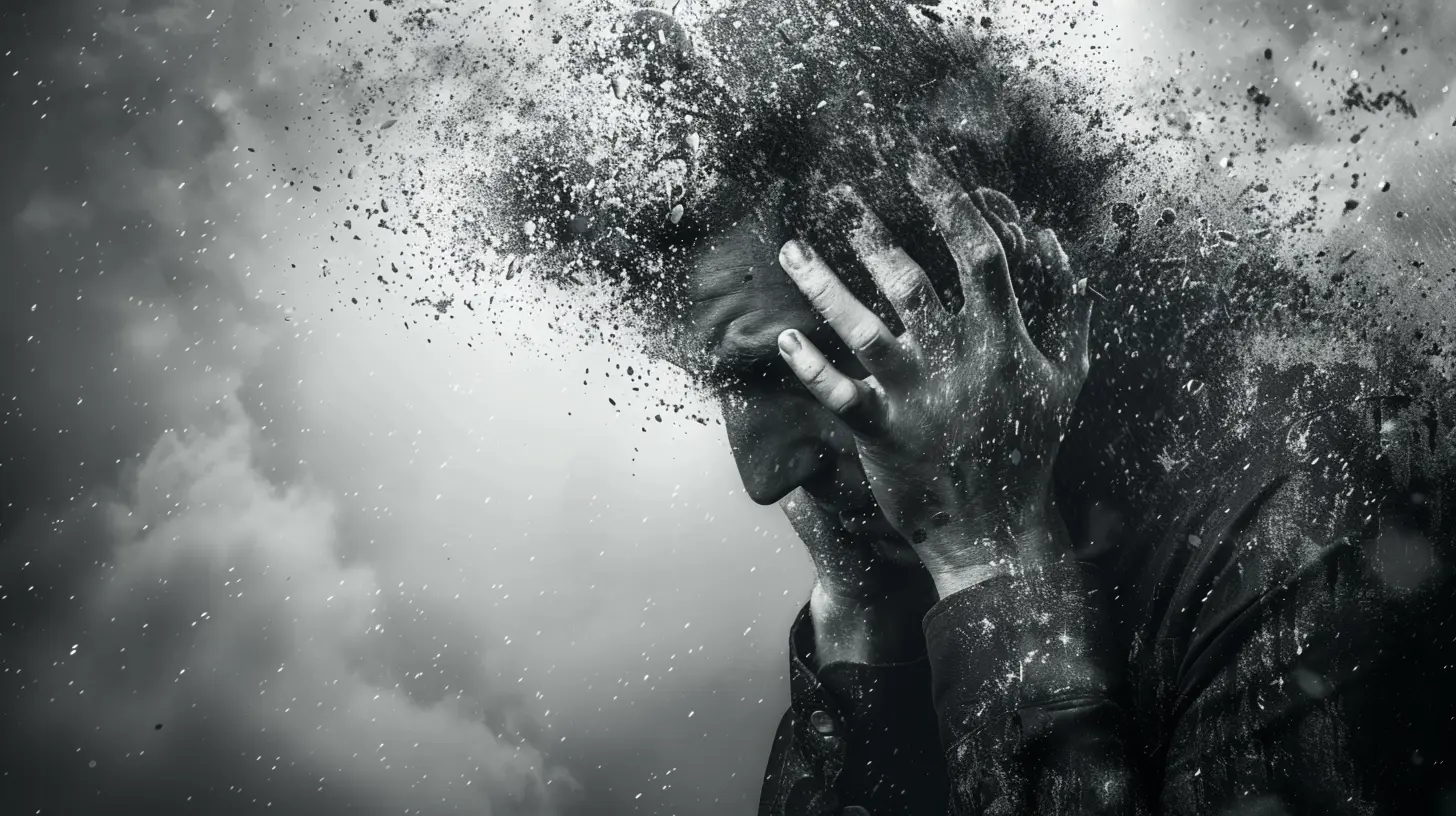
The Brain on Trauma: What’s Actually Happening?
Ever heard of the fight, flight, or freeze response? That’s your body’s built-in alarm system. When something scary or threatening happens, your brain (specifically, the amygdala) kicks into survival mode.But here’s the thing: trauma can cause that alarm system to stay switched on — long after the danger is gone.
Key Brain Areas Affected by Trauma:
- Amygdala: Becomes hyperactive, making you more likely to feel fear or anxiety.- Hippocampus: This guy helps process memories, but trauma can shrink it, messing with your ability to distinguish past from present.
- Prefrontal Cortex: This is your logic center, but trauma can make it harder for it to regulate emotions and make rational decisions.
It’s like your brain gets stuck in a loop, replaying the fear over and over.
How Trauma Affects Mental Health
Let’s talk real-life impact. Trauma affects your thoughts, your emotions, your relationships — basically, your whole inner world.1. Anxiety and Panic Disorders
If you’ve ever felt your heart race or chest tighten for “no reason,” trauma might be the root. The nervous system gets jumpy, always on high alert, expecting danger around the corner.2. Depression
Trauma can zap your joy. Feelings of hopelessness, guilt, or numbness often creep in. You might lose interest in the things you used to love. It’s like living in black and white when you remember life in color.3. Post-Traumatic Stress Disorder (PTSD)
This one’s big. PTSD develops when trauma reactions stick around for months or years. It includes flashbacks, nightmares, severe anxiety, and even physical symptoms like nausea or trembling.4. Dissociation
Some people feel disconnected from their body or surroundings. It’s like watching your life from outside yourself — kind of like a dream (and not the good kind).5. Trust and Attachment Issues
If people hurt you in the past, it’s hard to trust again. Trauma can make relationships feel risky or unsafe, even when everything seems fine.6. Addiction and Risky Behavior
Sometimes, people try to cope by numbing out — through alcohol, drugs, overeating, or other risky behavior. It’s not about being “bad” — it’s about trying to escape pain.Why Trauma Hits Some People Harder Than Others
Here’s something important: people respond to trauma differently.Factors like your age, personality, support system, and past experiences all play a role. Some people bounce back quickly. Others carry emotional scars for years.
It’s not a sign of weakness. It’s just how your system processed the experience.
Imagine your brain like a computer. Trauma is like a virus that scrambles your files. Some hard drives recover quickly… others need a reboot and some serious tech support.
Healing from Trauma: Is It Really Possible?
Absolutely, yes.Healing from trauma isn't about “getting over it” — it's about learning how to live with it in a healthy way. You’re not broken; you’re wounded. And wounds can heal.
Let’s look at some ways people can move toward recovery:
1. Therapy Is a Game-Changer
Talking to a therapist who understands trauma can make a huge difference. Therapies like EMDR (Eye Movement Desensitization and Reprocessing), CBT (Cognitive Behavioral Therapy), and somatic therapy are especially helpful.Think of therapy like going to the gym for your brain — strengthening the parts that got hurt.
2. Mind-Body Practices
Yoga, meditation, breathwork — these can help calm your nervous system. Trauma affects both the mind and the body, so healing should include both too.3. Connection with Others
Feeling seen, heard, and supported by others helps. Whether it’s friends, support groups, or family, being around trustworthy people can restore your sense of safety.4. Self-Compassion Over Shame
This might be the hardest one. When you’ve experienced trauma, it’s easy to blame yourself.“I should be over this by now.”
“Why am I still like this?”
“What’s wrong with me?”
But healing starts with compassion. Be gentle with yourself — the way you’d be with a friend who went through something awful.
Childhood Trauma: The Lingering Ghost
Let’s pause and talk specifically about childhood trauma.When trauma happens early in life, it can shape how you see the world, how you relate to people, and even how your brain develops.
It doesn’t just “go away” with time. It lays down deep tracks. But here’s the amazing part — our brains are changeable. That’s the beauty of neuroplasticity.
Healing childhood trauma is possible, though it often takes time, courage, and support.
Signs You’re Still Affected by Trauma (Even If You Think You’re Not)
Sometimes, you don’t even realize your past is affecting your present. Here are some sneaky signs trauma might be at play:- You overreact to small things
- You freeze when faced with conflict
- You avoid certain places, people, or memories
- You numb out with food, phones, or substances
- You feel like you’re always waiting for the other shoe to drop
Recognizing these patterns is the first step toward change. You’re not crazy — you’re human. And your brain did what it had to in order to protect you.
The Power of Naming It
Naming your trauma gives you power back. It turns this invisible, overwhelming weight into something you can start to work with.It’s like turning the lights on in a dark room. Things aren’t as scary when you can see what they are and where they’re coming from.
Final Thoughts: You're Not Alone
We all carry something. Some burdens are heavier than others, but the beautiful thing about being human is our ability to heal, to grow, and to rise again — even stronger than before.If you’re living with the effects of trauma, know that your experience is valid. You deserve kindness, support, and healing. And with the right tools and people by your side, you absolutely can move forward.
So, the next time your past tries to write your future, take the pen back. This is your story — and it’s still being written.
all images in this post were generated using AI tools
Category:
Mental HealthAuthor:

Nina Reilly
Discussion
rate this article
2 comments
Otis Bowers
Trauma shapes us, but through understanding and resilience, we can transform pain into profound strength.
February 17, 2026 at 5:57 AM
Nina Reilly
Thank you for your insightful comment! Indeed, understanding and resilience play crucial roles in transforming trauma into strength.
Denise Hardy
Trauma reshapes our perception of self and reality, often shrouding resilience beneath layers of pain. Understanding its impacts is crucial, not only for healing but for fostering empathy towards others navigating their own silent battles.
January 29, 2026 at 5:25 PM
Nina Reilly
Thank you for your insightful comment. You're absolutely right—recognizing the profound effects of trauma is essential for both personal healing and building empathy in our communities.