Unlocking Your Potential: The Psychology of Self-Growth
12 March 2026
Have you ever felt like there’s more to you than what the world sees—or even what you see in the mirror? That quiet voice whispering, “You’re capable of more”? That’s not just optimism talking. It’s your untapped potential calling out for attention.
Let’s take a walk on this road of self-discovery together and unravel the beautiful, messy, and utterly fascinating psychology behind self-growth. Ready?
🌱 The Seed of Potential Lies Within You
You’re born with a unique cocktail of personality, skills, dreams, and quirks. But potential isn’t just about talents or ambition. It’s like a seed—tiny, full of promise, and needing the right soil to bloom.So, what nurtures that seed?
Your mindset. Your environment. Your beliefs. Your choices.
Self-growth isn’t a destination; it’s an unfolding. Like peeling layers of an onion or watching a flower bloom in slow motion. It doesn’t happen overnight. But it can absolutely happen.
🧠 The Psychology Behind Self-Growth
1. Growth Mindset vs. Fixed Mindset
Psychologist Carol Dweck’s theory of the growth mindset—oh, it’s a game-changer.A fixed mindset whispers: “You are what you are.”
A growth mindset shouts: “You are what you’re becoming!”
If you believe your intelligence and abilities are static, you’ll resist challenge and avoid failure at all costs.
But if you believe you can grow? You’ll lean in. You’ll try. You’ll fail—and try again. And that’s where the magic lives.
2. Self-Efficacy: The Faith Fuel
Ever heard of self-efficacy? It’s your belief in your ability to execute tasks and reach goals. Coined by psychologist Albert Bandura, this idea is at the heart of achievement.Think of it like your internal gas tank. When it's full, you take action, push boundaries, and keep going even when things get rough.
Question is—how do you fill that tank?
- Past successes
- Role models
- Encouragement from others
- Emotional regulation (aka not freaking out when things go sideways)
3. Identity: Who You Think You Are
The stories we tell ourselves? They shape who we become.If you label yourself as “lazy,” “not good at math,” or “just not that creative,” guess what? You’ll act accordingly.
Psychology calls this the self-concept—and shifting it can transform your life. Start framing your identity around the person you want to be, not the mistakes you’ve made.
Instead of saying, “I’m not disciplined,” try, “I’m learning to stay focused.”
It’s not lying—it’s planting seeds for a better version of you.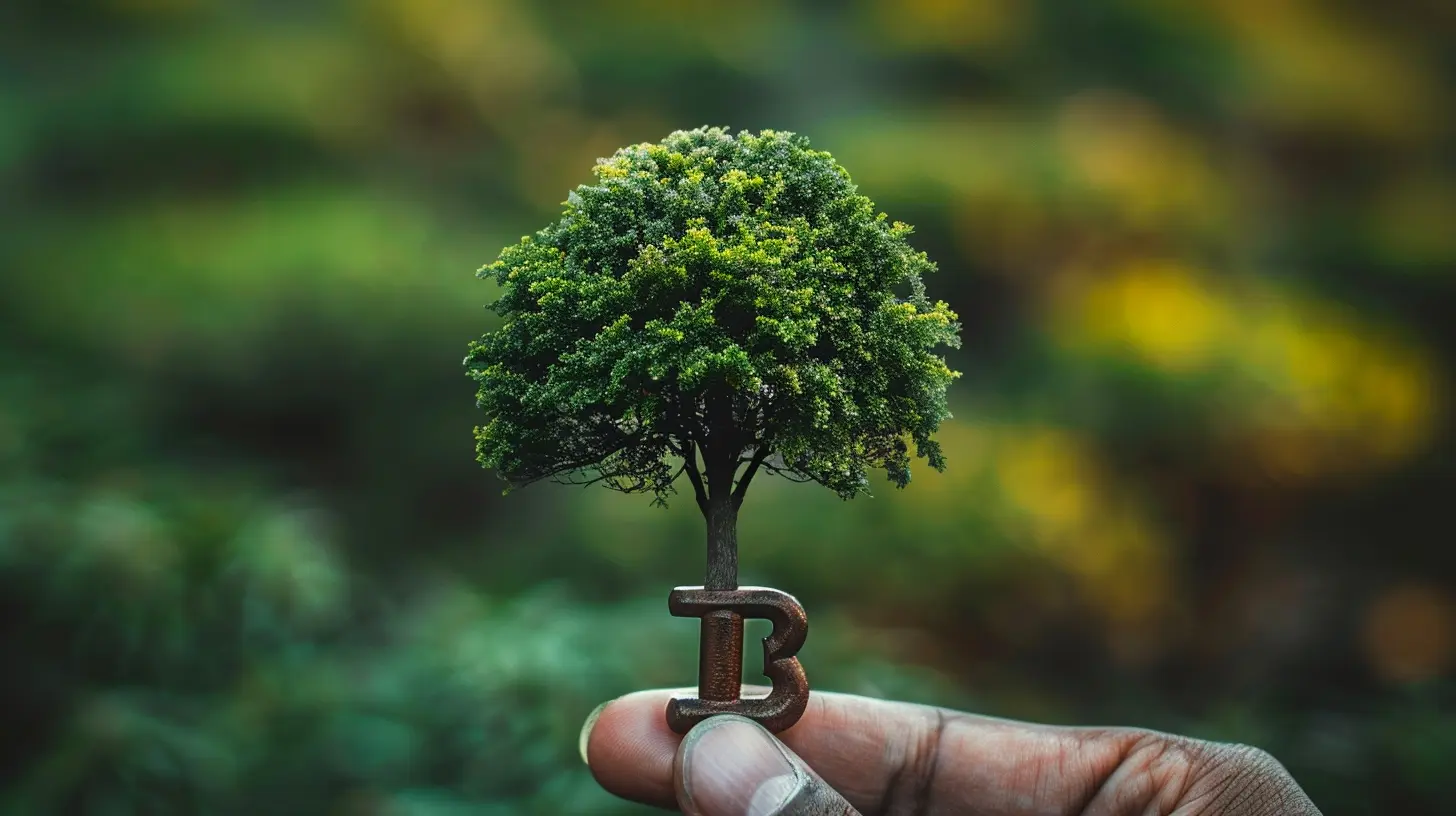
🌟 The Blocks That Hold You Back
Alright, let’s get real. Growth sounds beautiful, but it’s not always a straight line. Sometimes it feels like one step forward, two steps back with a side trip into the emotional wilderness.Here are some psychological boulders that might be blocking your path:
1. Fear of Failure
Failure can feel like death to the ego. Nobody likes to fall flat on their face. But guess what?Every successful person you admire has failed—probably spectacularly.
The difference? They didn’t let fear sit in the driver’s seat. They let it ride shotgun… and kept going anyway.
2. Negative Self-Talk
What are you telling yourself when no one’s listening?Our inner critic is often the loudest voice in the room. It feeds on comparison, doubt, and past regrets.
But you can change the dialogue. Try speaking to yourself like you'd speak to your best friend—with kindness, patience, and encouragement.
3. Comfort Zone Addiction
Ah yes, the cozy, familiar comfort zone. It’s like a soft bed on a cold morning—you just don’t want to leave.But here’s the thing: nothing grows there.
Psychological safety feels nice, but challenges are what spark evolution. So stretch a little. Dip your toes into discomfort. It’s where transformation hides.
🔓 Unlocking Your Hidden Potential
Okay, enough of the fluff. Time for the juicy stuff: how do you actually unlock your potential using the power of psychology?Step 1: Crystal-Clear Vision
You can’t grow toward “something” if you don’t know what that something is.Ask yourself:
- What do I truly want?
- What kind of person do I dream of becoming?
- What am I passionate about—even if it scares me?
Clarity gives direction. Without it, you’re just spinning wheels.
Step 2: Set Micro Goals
Forget huge milestones for a minute. Break things down into bite-sized, daily wins.Instead of “I want to be the best writer in the world,” try “I’m going to write for 20 minutes every morning.”
Tiny steps taken consistently? That’s how mountains get moved.
Step 3: Embrace Self-Awareness
Self-growth starts with self-awareness—really knowing your triggers, habits, motivations, and thought patterns.Take time each day to reflect. Journaling, meditation, therapy—whatever helps you tune into your inner world.
When you're aware, you can change. When you're blind, you just repeat.
Step 4: Rewire Your Mind
Neuroplasticity—say it with me! It’s the brain’s superpower to rewire itself based on experiences.That means your brain can adapt, grow, and upgrade. Even old habits and rigid beliefs can be transformed.
Here’s how to start rewiring:
- Practice gratitude for what you’re learning
- Repeat positive affirmations daily
- Visualize your ideal self
- Challenge cognitive distortions (like “I always mess up” or “I’m not enough”)
Step 5: Surround Yourself with Growth Vibes
The people around you? They matter more than you think.Energy is contagious. Spend time with those who lift you, challenge you, and reflect the version of yourself you’re striving to become.
Limit time with energy vampires and naysayers. You are the average of your five closest relationships—choose wisely.
🔁 The Feedback Loop of Growth
Growth isn’t linear. It’s more like a spiral—you revisit old lessons at deeper levels.You try, you fail, you reflect, you refine.
That’s the feedback loop of self-growth—fail forward, learn fast, and repeat.
Celebrate progress over perfection. The goal isn’t to “arrive.” It’s to continually evolve.
😌 The Role of Emotional Intelligence in Growth
Ever feel like emotions hijack your progress?Understanding and managing emotions is key to personal development. That’s where emotional intelligence (EQ) steps in.
High EQ = better relationships, improved decision-making, and resilience during tough times.
Here’s how to boost your EQ:
- Pause before reacting
- Name your emotions without judgment
- Listen more, talk less in conversations
- Practice empathy
When you master your emotions, you master your life.
✨ Aligning with Your Authentic Self
Let’s zoom out for a second.Self-growth isn’t just about hustling harder or stacking achievements. It’s about becoming who you were meant to be—before the world told you who to be.
Authenticity is the compass.
When you grow in a direction that aligns with your core values, it feels like coming home. There’s no internal resistance. No performance. Just truth.
So ask yourself:
- What values light me up?
- What makes me lose track of time?
- What would I chase if nobody were watching?
The answers? They’re your North Star.
🌄 Self-Growth as a Lifetime Practice
Self-growth doesn’t end. There’s no finish line, no final “level” of you.It’s ongoing, like waves in the ocean—sometimes crashing, sometimes calm.
And guess what? That’s okay.
You’ll have seasons of rapid change and seasons of stillness. Both are sacred. Both are necessary.
So be patient. Be kind to yourself. And stay curious.
🚀 You Already Have What It Takes
Here’s the truth, laid bare: You already have everything within you to become who you dream of being.The strength? It’s there.
The wisdom? It’s building.
The potential? Oh, it’s waiting—like sparks begging to become fire.
The key is commitment. To stay in conversation with your soul. To choose growth over comfort. To show up every day, even when it’s hard.
And when you look back five years from now? You won’t even recognize the version of you reading this.
Because you’ll have grown—one small, intentional, powerful choice at a time.
So—are you ready to unlock your potential?
all images in this post were generated using AI tools
Category:
Self ImprovementAuthor:

Nina Reilly
Discussion
rate this article
2 comments
Kael Abbott
This article offers valuable insights into self-growth, emphasizing the importance of mindset and resilience. However, it could benefit from more practical examples to help readers apply these concepts in their daily lives.
March 30, 2026 at 3:14 PM
Nina Reilly
Thank you for your feedback! I appreciate your suggestion about including more practical examples. I will definitely consider that for future articles.
Thane McDermott
Embracing self-growth is a beautiful journey; every small step counts towards unlocking your potential!
March 25, 2026 at 4:42 AM
Nina Reilly
Thank you for your insightful comment! Every small step truly makes a significant impact on our journey of self-growth.