Addressing Burnout: The Importance of Self-Care for Spiritual Leaders
October 19, 2025 - 01:41
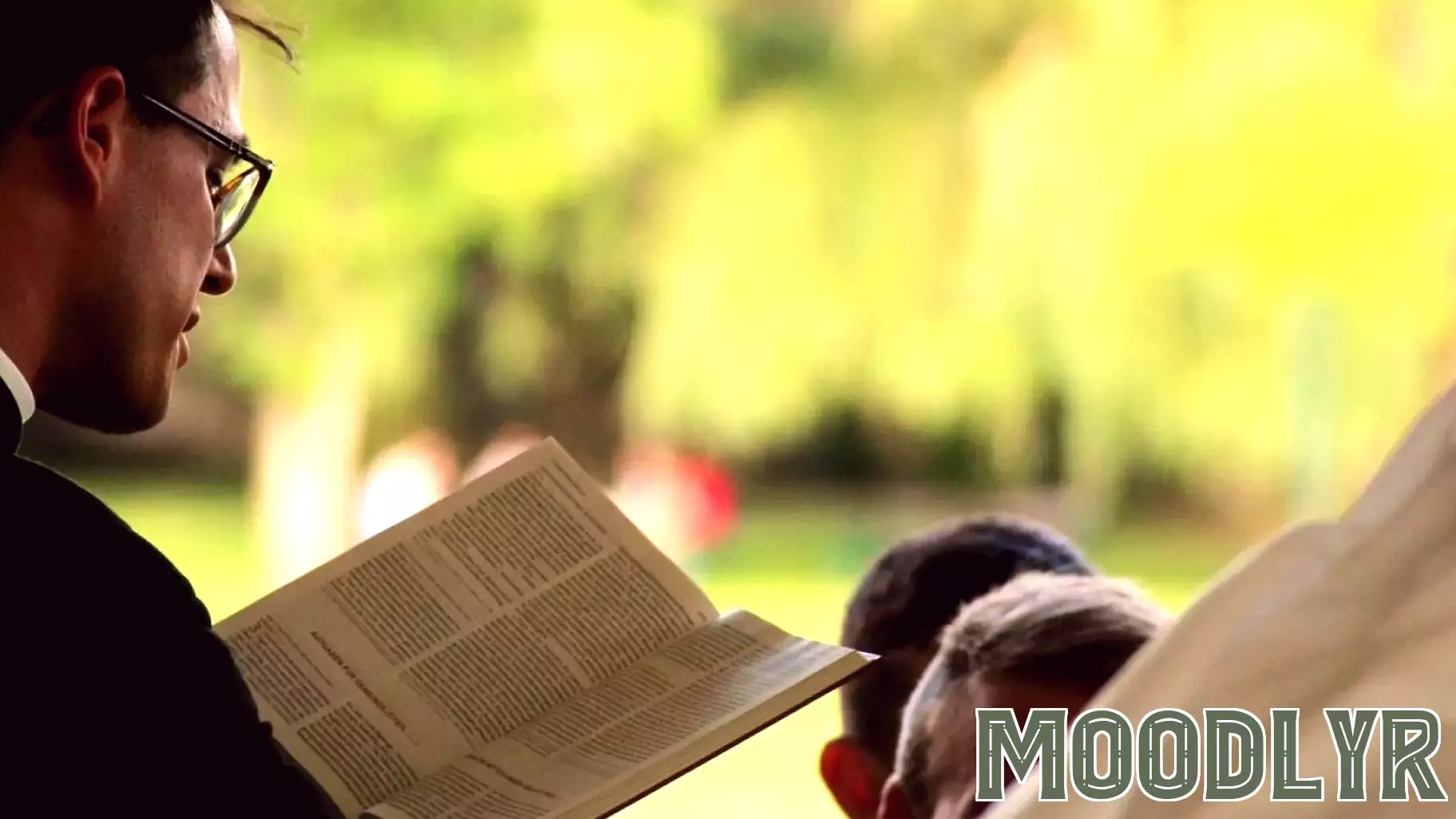
Recent research takes a look at what happens when spiritual leaders require an emotional boost. In the demanding role of a pastor, the risk of burnout is alarmingly high. Many spiritual leaders often prioritize the needs of their congregations over their own well-being, leading to emotional exhaustion and spiritual depletion.
To combat this issue, experts emphasize the importance of self-care practices tailored specifically for those in spiritual leadership. These practices include setting healthy boundaries, engaging in regular physical exercise, and ensuring adequate rest. Additionally, spiritual leaders are encouraged to seek support from their peers and engage in activities that nurture their own faith and personal growth.
Mindfulness and meditation have also emerged as effective tools for managing stress and fostering emotional resilience. By implementing these self-care strategies, pastors can not only enhance their own well-being but also better serve their communities, creating a healthier environment for both leaders and congregants alike.
MORE NEWS

July 18, 2026 - 02:09
Psychology says people who ask a lot of questions while watching a movie aren't distracted: What this behaA new look at an old movie theater annoyance suggests that the person whispering questions in your ear might not be trying to ruin the film. According to recent psychological research, viewers who...

July 17, 2026 - 09:05
I'm WEIRD, it turns out, and so is almost everyone psychology has ever studied — a narrow twelve percent of humanity whose responses somehow came to stand in for everything we think we know about the human mindIt turns out I am WEIRD. That is not an insult, but a label psychologists use for a very specific group of people. WEIRD stands for Western, Educated, Industrialized, Rich, and Democratic. It...

July 16, 2026 - 21:34
Psychology says people who feel like breaking things when they're angry may be responding to frustration aA new look at anger suggests that the urge to break objects when frustrated is not a sign of violence, but a natural response to emotional overload. Psychology researchers note that many people...

July 16, 2026 - 13:39
Psychology suggests we don't reason toward truth so much as defend what we already believe: we seek out the facts that confirm us and quietly wave away the rest — the 'confirmation bias' baked into how we thinkIn 1998, a Tufts psychologist named Raymond Nickerson published a long review article pulling together decades of scattered experiments under one heading. That heading was `confirmation bias,` and...