Built for Connection, Conditioned to Ignore
May 10, 2026 - 03:01
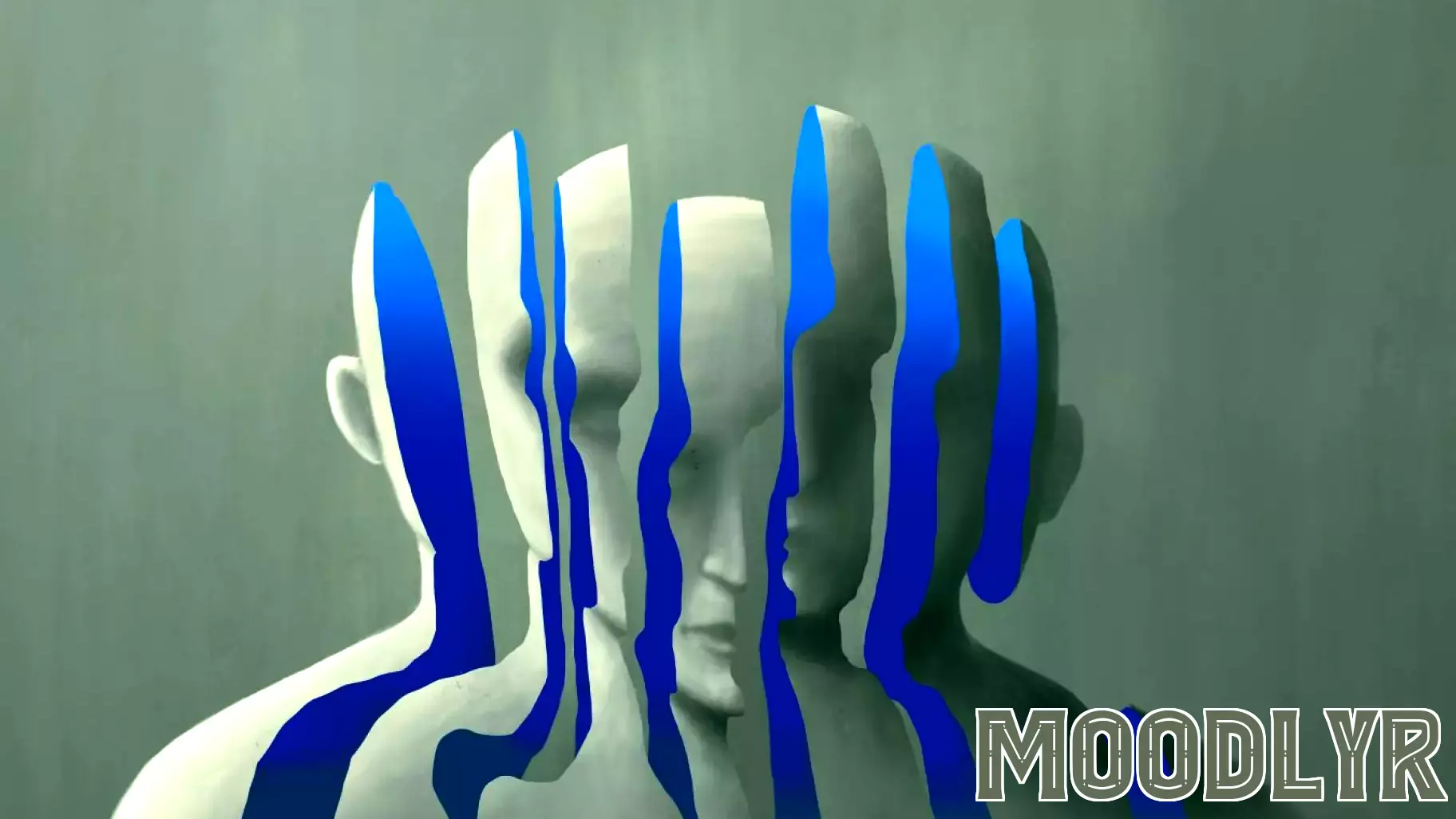
Human brains are wired for social connection. From infancy, we instinctively track faces, interpret emotions, and build mental models of what others are thinking. This capacity for empathy and theory of mind is what allowed our ancestors to form tribes, cooperate, and survive. Yet in modern society, entire groups of people routinely become invisible. The homeless person on the sidewalk, the elderly neighbor, the migrant worker in the fields -- they exist, but they are not seen. Why does this happen if our biology is built for human connection?
The answer is not a flaw in our neural wiring. It is a product of structure. Our environments train us to look away. Cities are designed with walls, gates, and segregated districts. Workplaces reward efficiency over relationship. Media frames certain lives as worthy of attention and others as background noise. Over time, we learn that some people belong in our circle of concern and others do not. This is not a natural instinct. It is a learned habit, reinforced by the systems we inhabit.
The tragedy is that we are capable of so much more. The same brain that can ignore a stranger on a train can also feel the pain of a fictional character in a novel. The capacity for recognition is there. It just needs the right conditions to activate. Changing those conditions -- through design, policy, and daily practice -- is the real work of building a humanized world.
MORE NEWS
August 7, 2026 - 23:43
Palm Beach County Youth Services Department Psychology Training Program Celebrates Recent Graduates and 10-Year APA Accreditation RenewalBoca Raton, FL - The Youth Services Department is celebrating a significant achievement this week as it honors the latest cohort of psychology trainees while also marking a decade of continued...

August 7, 2026 - 02:38
How Much Do We Really Want to Know About UFOs?The question of what happens when we finally get a clear answer about unidentified flying objects is rarely asked. We assume we want the truth, but the evidence from disaster psychology,...

August 6, 2026 - 09:16
The No. 1 Habit That Slowly Decays Your Potential, By A PsychologistPsychologists are pointing to a new culprit behind stalled careers and unfulfilled ambitions: the habit of quietly avoiding your own honest effort. It is not laziness, and it is not a lack of skill...
August 5, 2026 - 21:29
Inside the FrameworkA new book co-authored by Teachers College professor Derald Wing Sue and alumna Lisa Beth Spanierman takes a hard look at the cyclical nature of racial tension in America. Titled Breaking the...