Canadians Are Learning to Live With Uncertainty
February 17, 2026 - 00:48
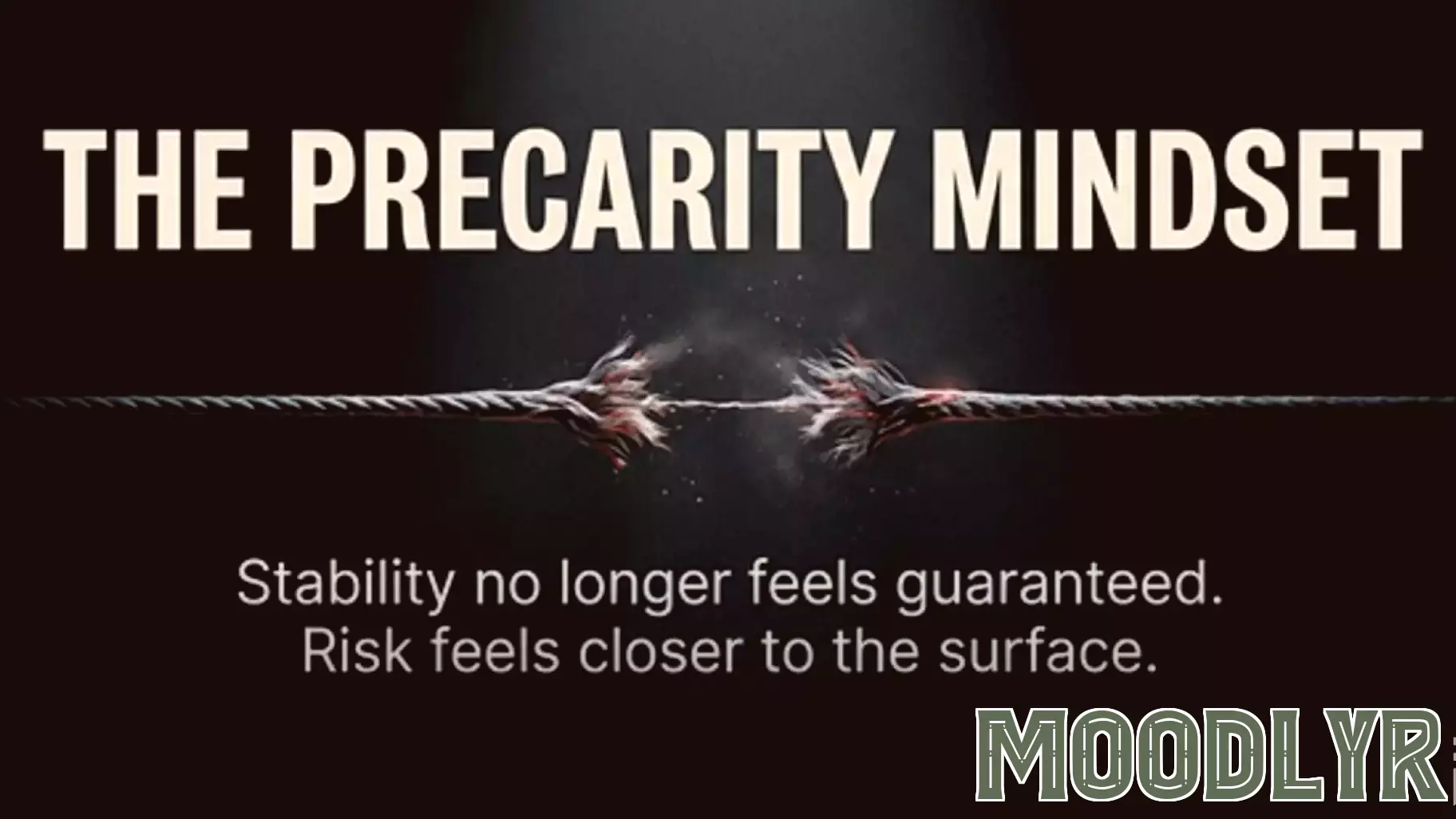
A pervasive sense of instability is settling in as a new normal for many Canadians, fundamentally altering the national psyche, political landscape, and expectations of those in charge. Experts note that the relentless succession of global and domestic crises—from the pandemic and economic volatility to climate change and international conflict—has eroded the traditional expectation of steady, predictable progress.
This sustained uncertainty is quietly transforming everyday behaviour. Financial planning has shifted toward greater caution and flexibility, with many prioritizing security over risk. Socially, there is a noted retreat into smaller, trusted circles and local communities as reliable havens. The cumulative stress is also manifesting in a heightened public focus on mental health and well-being.
Politically, the era of predictability is fading. The electorate's demands are evolving, with a growing desire for leaders who demonstrate authentic resilience, clear communication in turbulent times, and pragmatic problem-solving over ideological grandstanding. Voters are increasingly skeptical of simple promises, seeking instead steadiness and transparency in navigating uncharted waters.
Ultimately, adapting to this permanent condition means redefining stability not as the absence of change, but as the capacity to manage it. The national conversation is gradually moving from hoping for a return to calm to building a collective competence for enduring resilience in the face of ongoing flux.
MORE NEWS

August 19, 2026 - 02:46
A psychologist went to Arctic Norway expecting two months of winter darkness to make people miserable. Instead, she found that many locals had learned to see the polar night as cosy, beautiful, and strangely restorativeMost people assume that two months of near-total darkness would wear anyone down. A psychologist traveled to Arctic Norway with that exact expectation, ready to document the toll the polar night...

August 18, 2026 - 01:54
Psychology suggests charm is less about performing confidence than creating responsiveness — the feeling that someone is listening closely, asking real questions, and treating your life as interestingMost people assume charm is about being smooth, witty, or radiating self-assurance. But psychology points to something far less flashy. Charm, it turns out, is less about performing confidence and...

August 16, 2026 - 20:31
When Your Mother’s Diagnosis Unlocks Your OwnJordan Davis always knew she was different, but she never had a word for it. She was a good student, articulate, and high-achieving, yet she constantly heard the same criticism from teachers and...

August 16, 2026 - 15:48
Psychology says when parents pressure their adult children to visit, something predictable happens — researchers call it reactance, and it makes even the kids who wanted to come start looking for the exitMost parents mean well when they ask their grown children to come home more often. But a steady stream of guilt trips, reminders, and pointed comments about missed holidays can trigger a...