Home Really Is Where the Heart Is
February 21, 2026 - 02:30
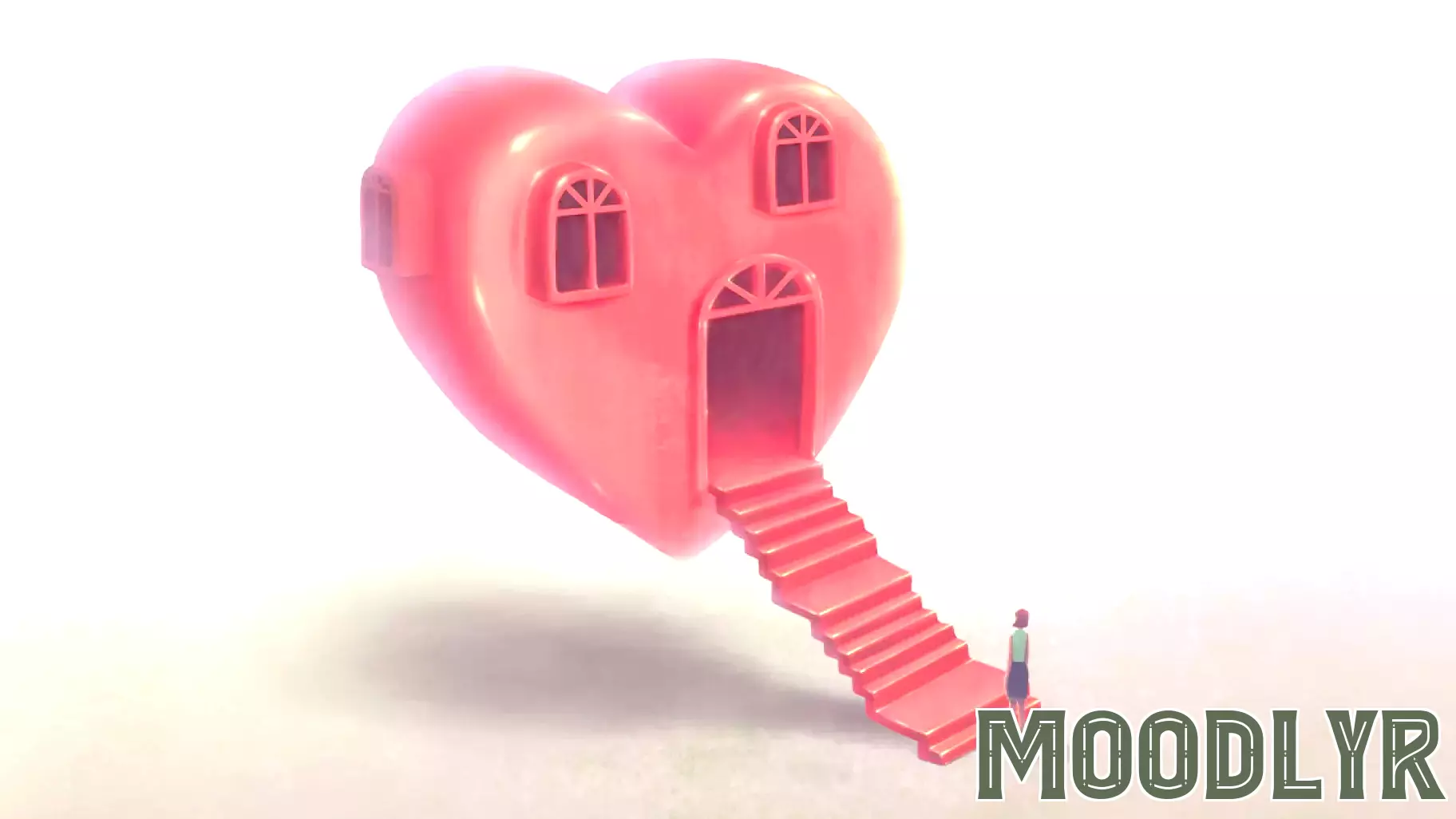
The age-old saying "home is where the heart is" is more than just a sentimental phrase; it is a neurological reality. New research suggests that the profound feeling of home is an idea we consciously build over time, one that becomes deeply imprinted within the very structures of our brains.
This concept of home transcends a physical address. It is a complex tapestry woven from sensory experiences, emotional security, and personal memories. The familiar scent of a particular room, the comforting sound of a family member's voice, or the specific quality of light through a window—these details are processed and stored by the brain. Over repeated exposure, these sensory and emotional cues create powerful neural pathways. The brain begins to associate this unique combination of stimuli with safety, comfort, and identity.
Consequently, "home" becomes a robust mental construct. It is a psychological anchor point that can provide stability and a sense of belonging, whether one is in a childhood house, a first apartment, or a community of chosen family. This explains why we can feel "at home" in places new to us if they resonate with these ingrained patterns of safety and familiarity. The feeling is not about the building itself, but about the personal meaning and emotional resonance we have actively built there. Our brains are not just recording a location; they are meticulously constructing the emotional sanctuary we call home.
MORE NEWS

August 20, 2026 - 19:26
Psychology says the kindest people you will ever meet aren't naive or soft — they are often people who have experienced real pain in life and made a conscious choice not to pass it on to othersPsychologists have long observed that the gentlest souls are rarely those who have lived sheltered lives. Instead, the most compassionate individuals are frequently people who have carried...

August 20, 2026 - 09:05
Lindsay Clancy's mental illness led to tragedy, psychologist saysA forensic psychologist called by the defense in the Lindsay Clancy case testified on Tuesday that the mother of three was so severely impaired by mental illness that she did not grasp the...

August 19, 2026 - 20:35
Forensic psychologist describes Clancy's 'mental disease' at time of kids' deathsZeisel detailed the moment Clancy called her then-husband, Patrick, to confess. According to the psychologist, Clancy was not in a state of rational awareness but rather in the grip of a psychotic...

August 19, 2026 - 02:46
A psychologist went to Arctic Norway expecting two months of winter darkness to make people miserable. Instead, she found that many locals had learned to see the polar night as cosy, beautiful, and strangely restorativeMost people assume that two months of near-total darkness would wear anyone down. A psychologist traveled to Arctic Norway with that exact expectation, ready to document the toll the polar night...