Nature may benefit psychological well-being of disadvantaged children more than others
May 16, 2026 - 15:06
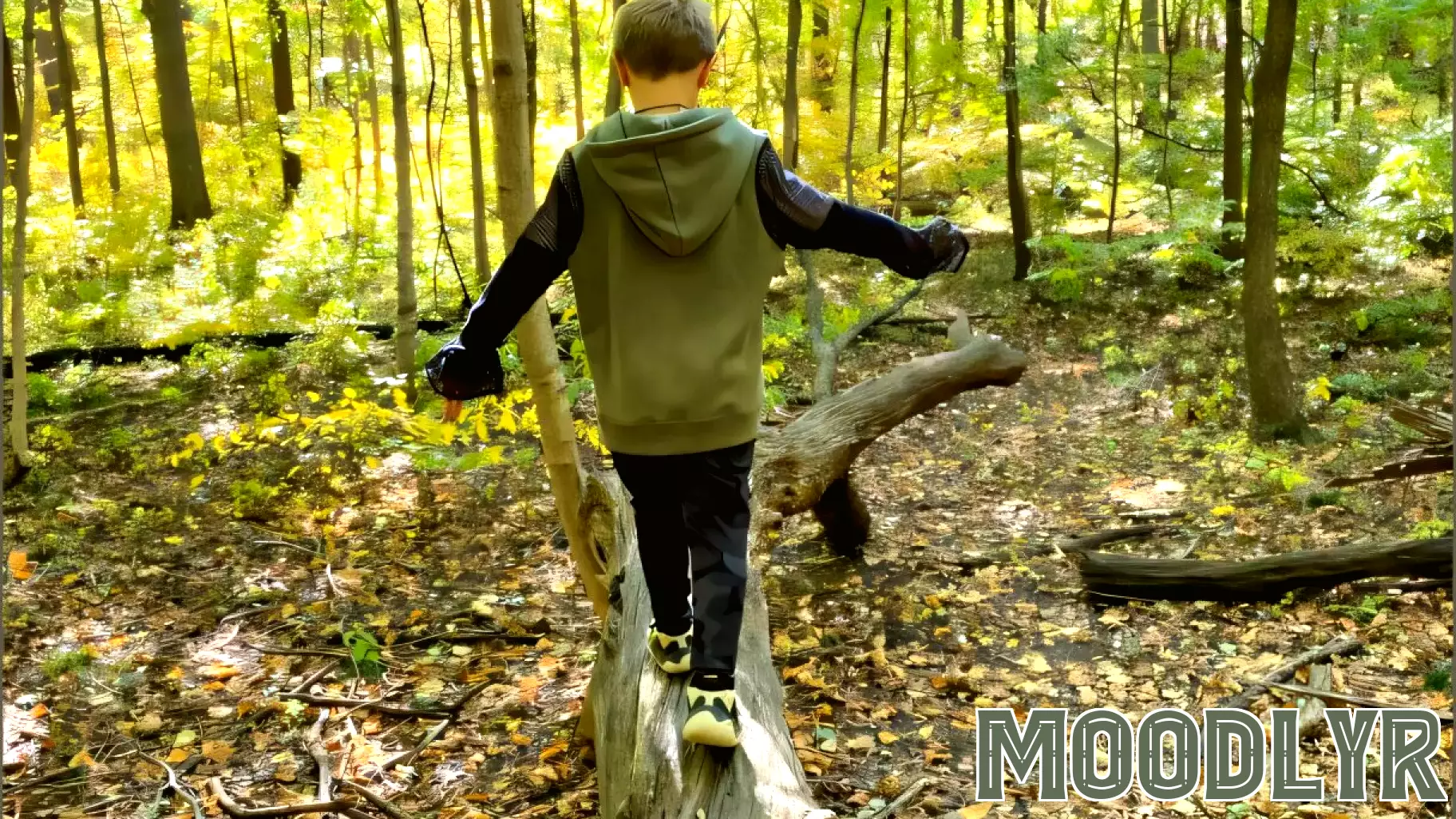
Growing up in disadvantaged communities can take a toll on children, with greater stress leading to mental health issues and delays in psychological development. But a decade's worth of research suggests that access to nature might offer a stronger psychological lift for these children than for their more affluent peers.
A new study, published in the journal "JAMA Network Open," analyzed data from over 2,000 children across four U.S. cities. Researchers tracked how often kids spent time in parks, gardens, and other green spaces, then measured their emotional well-being, attention span, and social behavior. The results showed that children from low-income households who had regular exposure to nature reported fewer symptoms of anxiety and depression compared to those in similar economic situations but with limited green access.
The effect was less pronounced for children from higher-income families, who already had more resources and stability. The lead author explained that nature seems to act as a buffer, reducing the physiological stress markers that accumulate in harsh environments. Even small patches of greenery, like a community garden or a tree-lined street, appeared to make a difference.
This does not mean nature is a cure-all for systemic inequality. But the findings add weight to calls for equitable urban planning, where parks and natural spaces are not just luxuries for wealthy neighborhoods. For children facing daily stressors, a nearby tree or a patch of grass might be one of the most cost-effective mental health interventions available. The researchers hope their work will encourage cities to prioritize green space in underserved areas, giving every child a fairer chance at a healthy mind.
MORE NEWS

August 14, 2026 - 01:29
Montgomery College Launches New Psychology ProgramMontgomery College has introduced a new Psychology Option inside its Associate of Arts in General Studies degree, giving students a clearer route toward transferring to a four-year university. The...

August 13, 2026 - 03:37
Depression Doesn’t Just Affect the Thinking BrainFor decades, depression has been tied to the thinking brain and the networks that govern mood and memory. A major new study significantly complicates that story. Researchers have found that the...

August 12, 2026 - 09:29
Narcissism and psychopathy linked to entrepreneurial mindsetsPeople who rank higher in traits such as narcissism and psychopathy also tend to feel a more powerful internal push toward founding their own companies, according to recent research. The study...
August 11, 2026 - 03:28
Are You Super Stressed Out? A Psychologist Says You Should Try This.When daily pressure starts to pile up, the usual advice is to take a break, breathe deeply, or step away from the screen. But one psychologist suggests a different approach: turn outward instead of...