New psychological scales measure personal attitudes toward cosmetic procedures
May 22, 2026 - 22:26
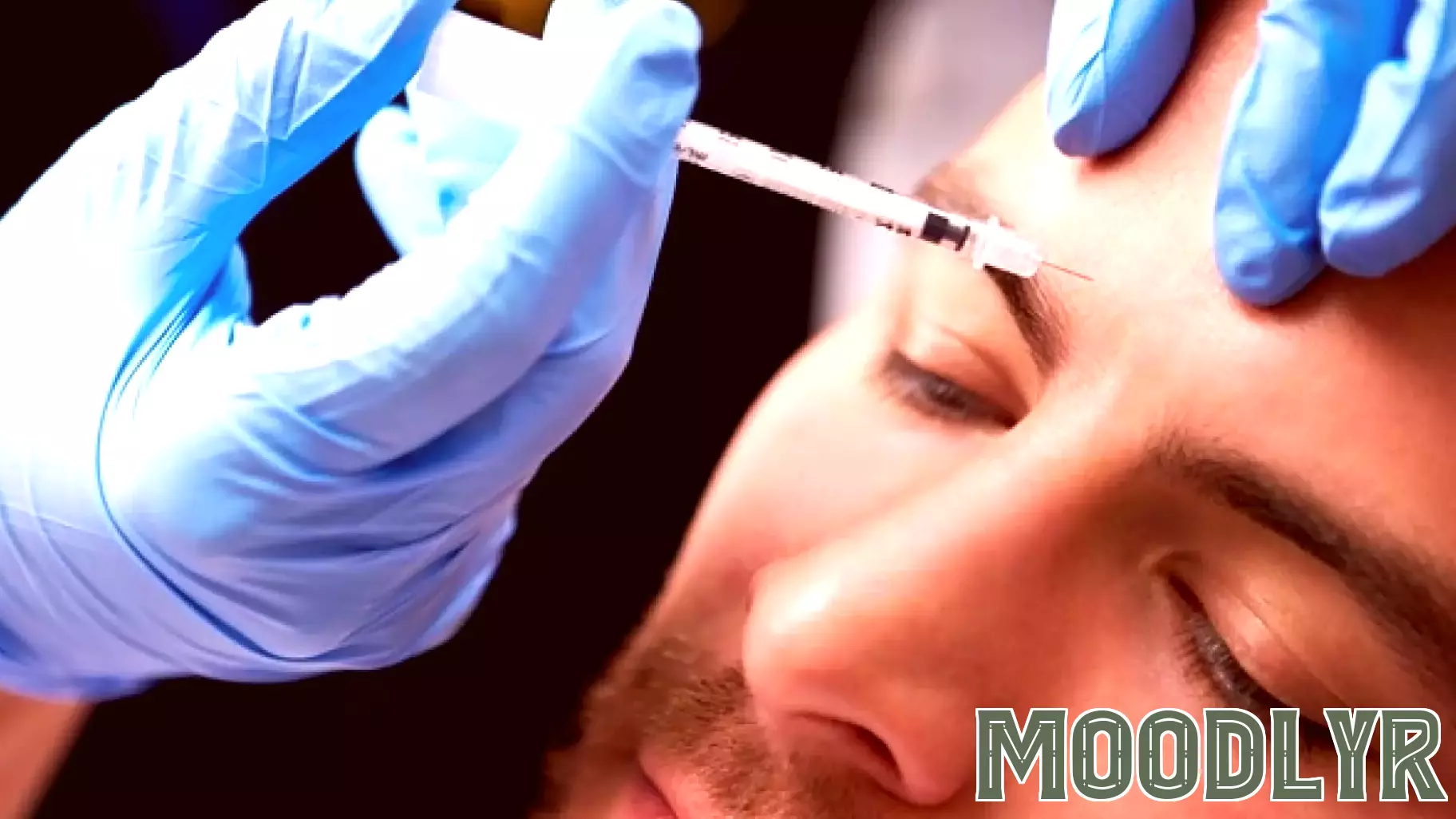
As non-surgical cosmetic treatments like Botox, dermal fillers, and laser therapies become more common, affordable, and widely available, researchers at Griffith University have developed two new psychological scales to measure how people think and feel about these procedures. The tools aim to provide a clearer picture of the motivations and attitudes driving individuals to seek out cosmetic enhancements.
The first scale focuses on general attitudes toward cosmetic procedures, capturing beliefs about their social acceptability, perceived benefits, and potential risks. The second scale digs deeper into personal motivations, such as the desire to look younger, boost self-confidence, or conform to societal beauty standards. Together, these measures offer a more nuanced understanding than previous research, which often treated cosmetic procedures as a single, uniform category.
According to the lead researcher, the scales were developed and tested across multiple studies involving hundreds of participants. The results showed that attitudes toward cosmetic procedures are not simply positive or negative but exist on a spectrum influenced by factors like age, gender, and cultural background. For example, some people view these treatments as a form of self-care, while others see them as a response to external pressure.
The researchers hope these new tools will help clinicians, psychologists, and public health professionals better understand the psychological drivers behind the growing demand for cosmetic procedures. This could lead to more informed patient consultations and help identify individuals who may be at risk for unhealthy attitudes or behaviors, such as body dysmorphia or addiction to treatments. The scales are now available for use in further academic and clinical studies.
MORE NEWS

August 20, 2026 - 19:26
Psychology says the kindest people you will ever meet aren't naive or soft — they are often people who have experienced real pain in life and made a conscious choice not to pass it on to othersPsychologists have long observed that the gentlest souls are rarely those who have lived sheltered lives. Instead, the most compassionate individuals are frequently people who have carried...

August 20, 2026 - 09:05
Lindsay Clancy's mental illness led to tragedy, psychologist saysA forensic psychologist called by the defense in the Lindsay Clancy case testified on Tuesday that the mother of three was so severely impaired by mental illness that she did not grasp the...

August 19, 2026 - 20:35
Forensic psychologist describes Clancy's 'mental disease' at time of kids' deathsZeisel detailed the moment Clancy called her then-husband, Patrick, to confess. According to the psychologist, Clancy was not in a state of rational awareness but rather in the grip of a psychotic...

August 19, 2026 - 02:46
A psychologist went to Arctic Norway expecting two months of winter darkness to make people miserable. Instead, she found that many locals had learned to see the polar night as cosy, beautiful, and strangely restorativeMost people assume that two months of near-total darkness would wear anyone down. A psychologist traveled to Arctic Norway with that exact expectation, ready to document the toll the polar night...