Psychology explains why it might be harder for women to quit smoking than men
June 28, 2026 - 11:07
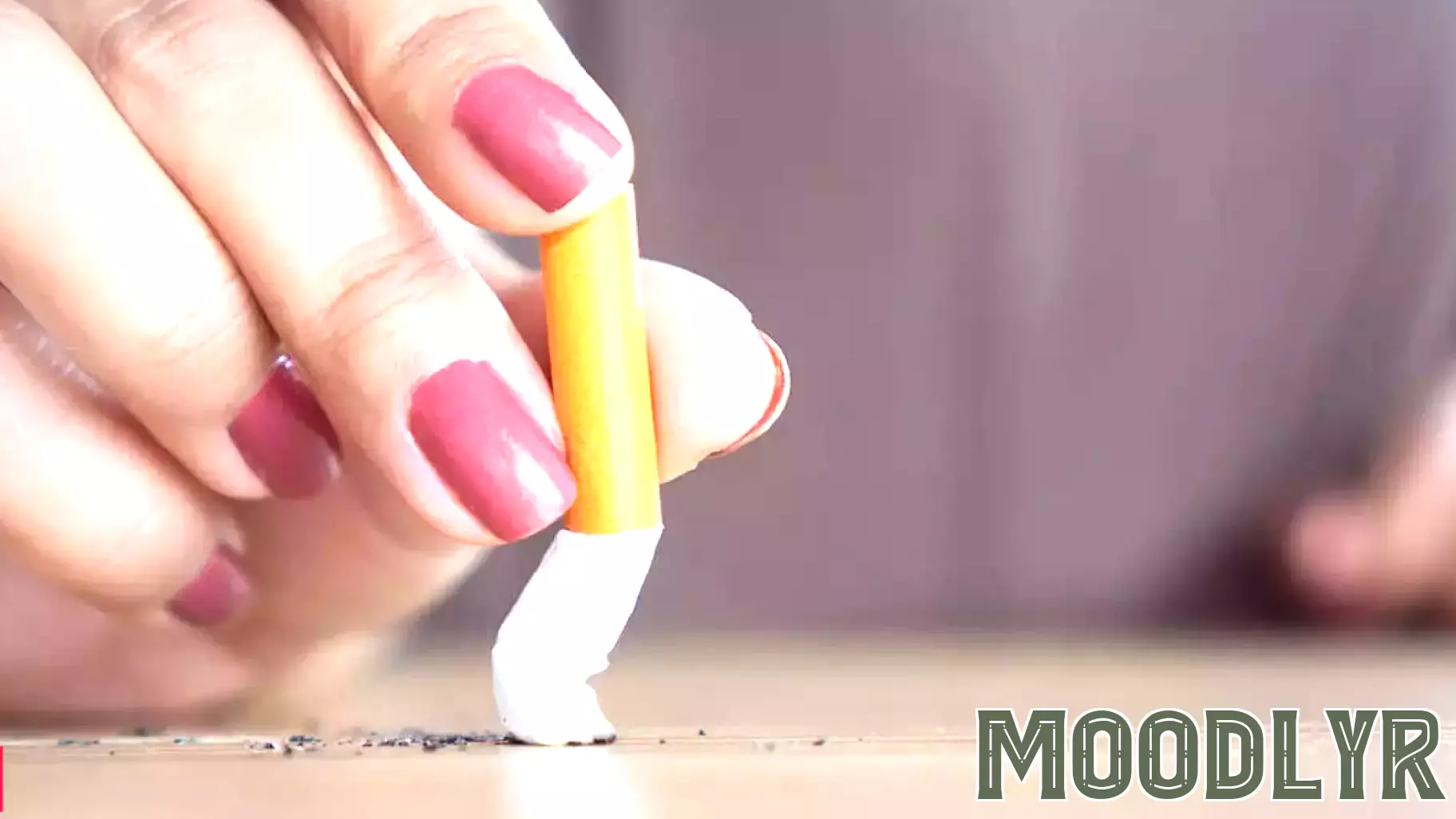
A new cross-national study sheds light on a stubborn gender gap in smoking cessation. Researchers found that women in several low- and middle-income countries are significantly more likely to relapse within the first 24 hours of quitting compared to men. This critical window is known to heavily influence long-term success, making the finding a key piece in understanding why breaking the habit proves particularly tough for women.
The study points to psychological factors rather than just nicotine dependence. Women often report higher levels of stress, anxiety, and depression, and they may use cigarettes as a tool for emotional regulation. When they quit, the sudden loss of that coping mechanism hits harder. social pressures and gender roles can add extra layers of stress, making the initial withdrawal period more intense. Men, by contrast, may be more motivated by health concerns or social competition, which can provide a different kind of resolve during those first critical hours.
The research suggests that standard quit-smoking programs, which often focus on nicotine replacement or willpower, may not fully address these emotional triggers. For women, the first day is not just about fighting a chemical craving. It is about losing a psychological crutch. Experts argue that tailored support, such as stress management techniques and counseling that addresses emotional dependency, could make a real difference. Without that focus, the relapse rate on day one remains stubbornly high, undermining long-term efforts to quit for good.
MORE NEWS

August 12, 2026 - 09:29
Narcissism and psychopathy linked to entrepreneurial mindsetsPeople who rank higher in traits such as narcissism and psychopathy also tend to feel a more powerful internal push toward founding their own companies, according to recent research. The study...

August 11, 2026 - 03:28
Are You Super Stressed Out? A Psychologist Says You Should Try This.When daily pressure starts to pile up, the usual advice is to take a break, breathe deeply, or step away from the screen. But one psychologist suggests a different approach: turn outward instead of...

August 10, 2026 - 12:47
Psychology says downplaying your birthday is a sign of quiet confidence because it means your sense of worth doesn't need an annual vote of confidence from everyone you knowPsychologists are taking a fresh look at the people who let their birthday pass without a post, a party, or a reminder to friends. The emerging view is that downplaying the day is not shyness or...

August 9, 2026 - 19:51
Psychology says people who quietly leave family group chats, mute old friends, and stop replying to acquaintances aren't withdrawing from life, they're finally protecting the small amount of attention they have left for the people who actually reach backPsychologists are noticing a shift in how some people manage their social circles, and it often looks like a quiet exit. It is the person who leaves the family group chat without a word, mutes the...