Psychology says people who start feeling patriotic during sports matches aren't cheering for a team, they
July 6, 2026 - 03:31
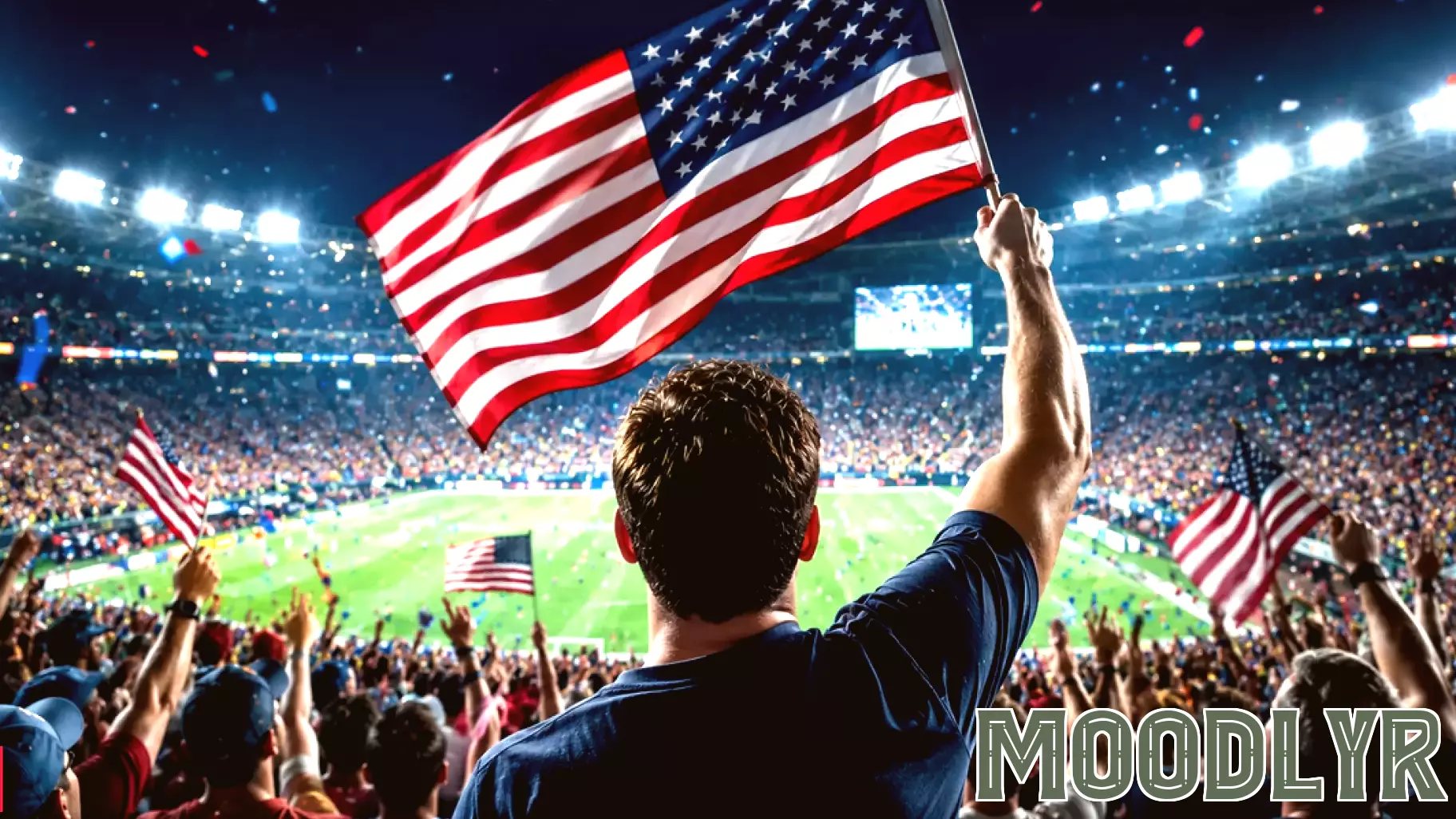
Psychology suggests that people who become especially patriotic during sporting events are not simply getting caught up in the excitement. For many, cheering for their country creates a stronger sense of belonging, shared identity, and connection with a community that extends far beyond the outcome of the game. Researchers point to a concept called social identity theory, which explains that individuals derive part of their self-worth from the groups they belong to. When a national team competes, fans experience a temporary but powerful merging of personal identity with the larger national group. This feeling of "us" against "them" triggers a sense of unity that can be deeply satisfying, even if the team loses.
The phenomenon is not limited to die-hard sports fans. Even casual viewers often report feeling a surge of pride during international competitions like the Olympics or the World Cup. Psychologists note that this reaction is tied to a basic human need for connection. In a world where people often feel isolated or disconnected from their communities, a sporting event offers a rare moment of collective focus. The shared experience of watching a game, celebrating a goal, or commiserating over a loss can temporarily dissolve social barriers. People from different backgrounds suddenly feel like they are part of the same tribe.
This emotional response is also linked to the release of oxytocin, a hormone associated with bonding and trust. When fans chant anthems or wave flags together, their brains reinforce the sense of social cohesion. The patriotism felt in these moments is less about politics or national pride in a traditional sense and more about the simple, powerful feeling of being part of something larger than oneself. So the next time you see a crowd erupt in national pride during a match, remember that it is not just about the score. It is about the deep human need to belong.
MORE NEWS

August 19, 2026 - 20:35
Forensic psychologist describes Clancy's 'mental disease' at time of kids' deathsZeisel detailed the moment Clancy called her then-husband, Patrick, to confess. According to the psychologist, Clancy was not in a state of rational awareness but rather in the grip of a psychotic...

August 19, 2026 - 02:46
A psychologist went to Arctic Norway expecting two months of winter darkness to make people miserable. Instead, she found that many locals had learned to see the polar night as cosy, beautiful, and strangely restorativeMost people assume that two months of near-total darkness would wear anyone down. A psychologist traveled to Arctic Norway with that exact expectation, ready to document the toll the polar night...

August 18, 2026 - 01:54
Psychology suggests charm is less about performing confidence than creating responsiveness — the feeling that someone is listening closely, asking real questions, and treating your life as interestingMost people assume charm is about being smooth, witty, or radiating self-assurance. But psychology points to something far less flashy. Charm, it turns out, is less about performing confidence and...

August 16, 2026 - 20:31
When Your Mother’s Diagnosis Unlocks Your OwnJordan Davis always knew she was different, but she never had a word for it. She was a good student, articulate, and high-achieving, yet she constantly heard the same criticism from teachers and...