Psychology says the reason so many boomers struggle to ask their adult children for help isn’t pride — it’s that their entire identity was built on being needed, and needing help now feels like losing themselves
April 18, 2026 - 05:33

A 70-year-old woman stands alone with a flat tire for an hour after sending her son away, revealing a generation's devastating secret: they'd rather suffer in isolation than admit they need the very children they spent their lives nurturing. This poignant scenario is not simply a matter of stubborn pride, but a profound psychological struggle rooted in identity.
For many in the baby boomer generation, their core sense of self was constructed around the roles of provider, protector, and problem-solver. Their adulthood was defined by being the dependable rock for their families and careers. Needing assistance, particularly from their adult children, can feel like the dismantling of that hard-built identity. It represents a seismic shift from being the one who gives help to being the one who receives it.
This internal conflict goes beyond mere inconvenience. To ask for help can feel like an erasure of the person they have always been, triggering a deep-seated fear of becoming a burden or losing their purpose. The potential emotional cost of perceived helplessness outweighs the physical struggle of the task itself. Consequently, they choose silent endurance over vulnerable admission, prioritizing the preservation of their self-image above their own well-being. This understanding calls for compassion and proactive support from younger family members, who can offer help in ways that reinforce dignity rather than challenge it.
MORE NEWS

July 23, 2026 - 12:29
The Hidden Needs Behind Constant ComplainingPsychology suggests that people who complain all the time are not simply negative by nature. Instead, their complaints often signal deeper unmet needs that remain unspoken. When someone gripes...
July 22, 2026 - 19:43
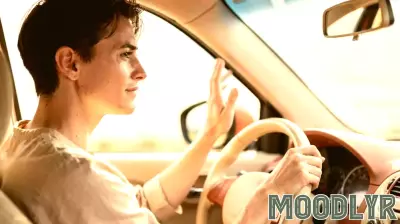
Psychology says the little thank-you wave between drivers isn't a reflex — it's the last universally understood sentence on the roadYou do it without thinking. Another driver lets you merge, and your hand lifts from the wheel in a quick, casual wave. It feels automatic, like a reflex. But psychology suggests it is something...

July 22, 2026 - 16:43
Canine Science Is Biased Toward the Western WorldA new study highlights a significant blind spot in the field of canine science: most research on domestic dogs focuses on a narrow, Westernized subset of the global population. The findings suggest...

July 21, 2026 - 19:50
Pettyjohn bill expands Delaware’s mental health workforceGovernor Matt Meyer signed Senate Substitute 1 for Senate Bill 208 into law on June 24, marking a bipartisan effort to address the state`s shortage of mental health professionals. The legislation,...