The Impact of Furniture Design on Human Behavior
February 14, 2025 - 02:13
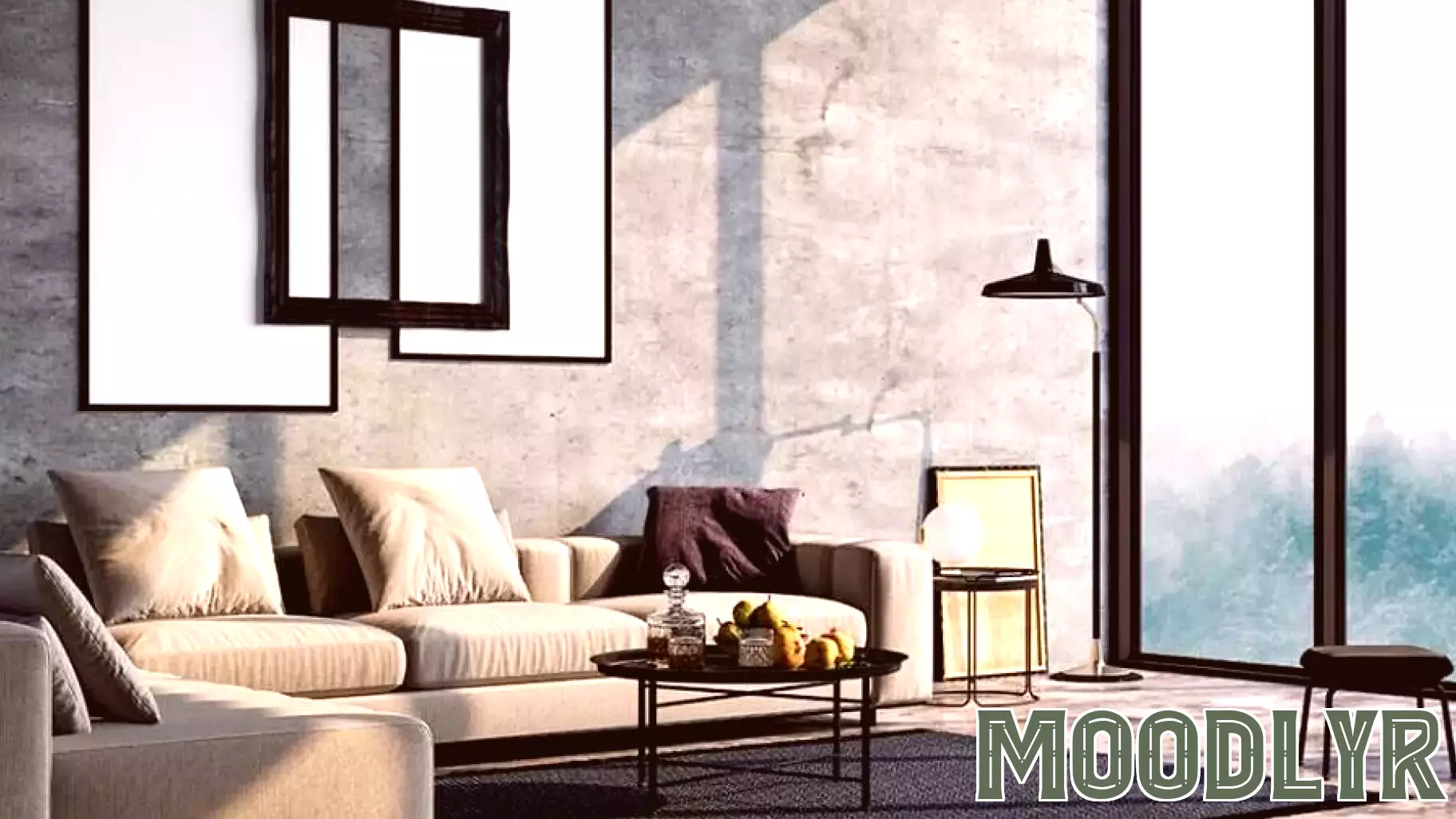
House of Leon examines the effect of furniture design choices on human behavior, highlighting the intricate relationship between our surroundings and our psychological state. The arrangement and style of furniture can significantly influence how individuals interact with their environment, affecting mood, productivity, and even social dynamics.
Research indicates that specific design elements, such as color, shape, and texture, can evoke particular emotional responses. For instance, warm colors like reds and oranges can stimulate energy and creativity, while cooler tones such as blues and greens promote calmness and relaxation. Additionally, the layout of furniture in a space can encourage or hinder social interaction. Open spaces with inviting seating arrangements foster communication and collaboration, whereas closed-off designs may lead to feelings of isolation.
Moreover, ergonomic furniture plays a crucial role in enhancing comfort and reducing stress, ultimately contributing to better mental health. As we continue to understand the psychological implications of design, it becomes increasingly important for designers to consider how their choices impact human behavior and well-being.
MORE NEWS

August 20, 2026 - 19:26
Psychology says the kindest people you will ever meet aren't naive or soft — they are often people who have experienced real pain in life and made a conscious choice not to pass it on to othersPsychologists have long observed that the gentlest souls are rarely those who have lived sheltered lives. Instead, the most compassionate individuals are frequently people who have carried...

August 20, 2026 - 09:05
Lindsay Clancy's mental illness led to tragedy, psychologist saysA forensic psychologist called by the defense in the Lindsay Clancy case testified on Tuesday that the mother of three was so severely impaired by mental illness that she did not grasp the...

August 19, 2026 - 20:35
Forensic psychologist describes Clancy's 'mental disease' at time of kids' deathsZeisel detailed the moment Clancy called her then-husband, Patrick, to confess. According to the psychologist, Clancy was not in a state of rational awareness but rather in the grip of a psychotic...

August 19, 2026 - 02:46
A psychologist went to Arctic Norway expecting two months of winter darkness to make people miserable. Instead, she found that many locals had learned to see the polar night as cosy, beautiful, and strangely restorativeMost people assume that two months of near-total darkness would wear anyone down. A psychologist traveled to Arctic Norway with that exact expectation, ready to document the toll the polar night...