The Paradox of Group Conflict: How Stress Influences Bonds and Rivalries
July 15, 2025 - 23:24
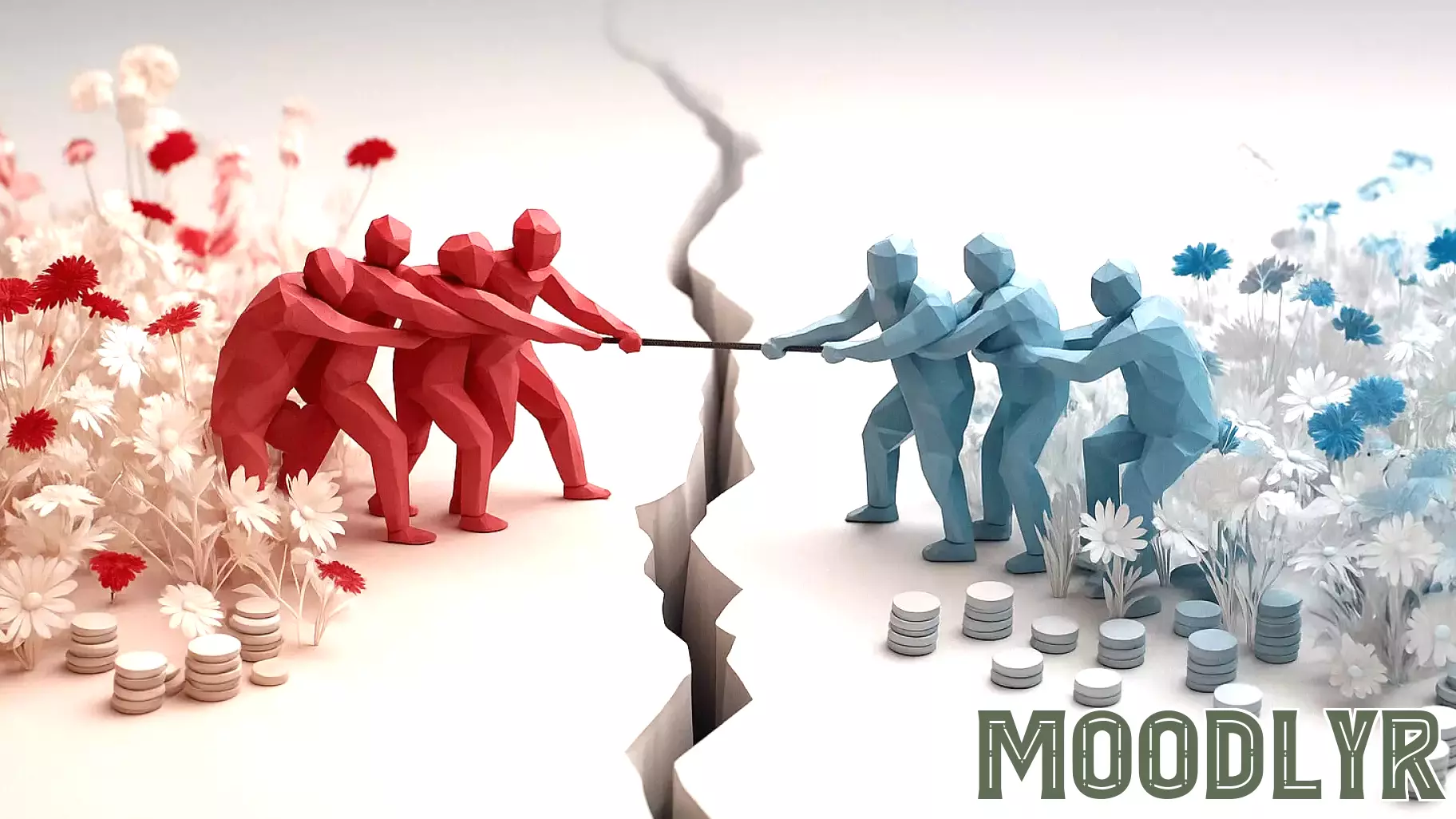
Why do violent conflicts between groups persist—even when all sides suffer as a result? Researchers from psychology and medicine at Heinrich Heine University Düsseldorf (HHU) have explored this complex issue, revealing that stress can both strengthen group bonds and exacerbate intergroup conflicts.
The study highlights that when individuals experience stress, they often seek solace and support within their own groups. This phenomenon can lead to increased solidarity among group members, fostering a sense of belonging and shared identity. However, this heightened in-group cohesion can simultaneously intensify feelings of animosity toward out-groups, perpetuating cycles of conflict.
The researchers conducted experiments to observe how stress affects group dynamics, finding that the emotional responses elicited during stressful situations can drive groups to rally together while simultaneously reinforcing negative perceptions of rival groups. This dual effect creates a challenging environment for conflict resolution, as the very stress that unites individuals can also deepen divisions, making it difficult to break the cycle of violence and hostility. Understanding this intricate relationship is crucial for developing strategies aimed at fostering peace and cooperation among conflicting groups.
MORE NEWS

August 20, 2026 - 19:26
Psychology says the kindest people you will ever meet aren't naive or soft — they are often people who have experienced real pain in life and made a conscious choice not to pass it on to othersPsychologists have long observed that the gentlest souls are rarely those who have lived sheltered lives. Instead, the most compassionate individuals are frequently people who have carried...

August 20, 2026 - 09:05
Lindsay Clancy's mental illness led to tragedy, psychologist saysA forensic psychologist called by the defense in the Lindsay Clancy case testified on Tuesday that the mother of three was so severely impaired by mental illness that she did not grasp the...

August 19, 2026 - 20:35
Forensic psychologist describes Clancy's 'mental disease' at time of kids' deathsZeisel detailed the moment Clancy called her then-husband, Patrick, to confess. According to the psychologist, Clancy was not in a state of rational awareness but rather in the grip of a psychotic...

August 19, 2026 - 02:46
A psychologist went to Arctic Norway expecting two months of winter darkness to make people miserable. Instead, she found that many locals had learned to see the polar night as cosy, beautiful, and strangely restorativeMost people assume that two months of near-total darkness would wear anyone down. A psychologist traveled to Arctic Norway with that exact expectation, ready to document the toll the polar night...