The Psychology of ‘It Won’t Happen to Me’: Optimism Bias in the Workplace
July 13, 2026 - 05:33

Summer brings heat, long hours, and increased physical strain, but it also brings a dangerous mental trap. Many workers, even experienced ones, fall victim to a psychological phenomenon known as the optimism bias. This is the tendency to believe that negative events are less likely to happen to us than to others. In the workplace, this bias can be a direct path to injury.
When a construction worker skips a water break because they feel fine, or a warehouse employee ignores a slippery floor sign, they are not being careless. They are operating under the assumption that heat exhaustion or a fall is something that happens to other people. This bias is especially strong during summer months when fatigue and dehydration impair judgment, making the brain more likely to take shortcuts.
The problem is that the optimism bias is not just about being positive. It is a cognitive distortion that overrides risk assessment. Studies show that people consistently underestimate their personal risk for accidents, even when they acknowledge the risk exists for their coworkers. This creates a gap between knowing the safety rule and following it.
To combat this, safety training must move beyond statistics. Workers need real stories and concrete examples that break the illusion of personal invincibility. A simple reminder that "it can happen to you" is not enough. The brain needs to feel the risk, not just hear about it. Without that emotional connection, the optimism bias will continue to put people in harm's way, especially under the stress of a hot summer day.
MORE NEWS

July 12, 2026 - 22:28
Psychology says people who find retirement harder than work are not worried about money, they may miss theA new look at retirement psychology challenges the common belief that financial worries are the main source of post-career stress. Research indicates that individuals who find retirement harder...
July 12, 2026 - 04:24
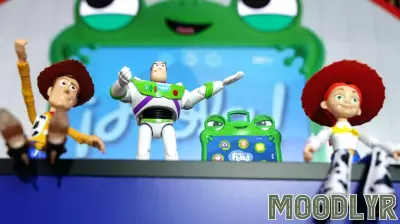
'Toy Story 5' screen time plot mirrors real struggle for parents, California psychologist saysA California media psychologist says the upcoming `Toy Story 5` film hits close to home for modern parents. The plot reportedly centers on a child who prefers a tablet-like device over traditional...

July 11, 2026 - 10:58
Psychology says people who use huge words in everyday conversations aren't showing off, good vocabulary maA new take on everyday conversation habits suggests that people who drop large, complex words into casual chats are not trying to impress or intimidate. According to psychological insights, these...

July 10, 2026 - 18:07
Psychology behind Norway's Haaland 'not tired mindset': Why Norwegian striker keeps telling himself 'I'm nErling Haaland, the prolific Norwegian striker, has revealed a simple but powerful mental trick that helps him dominate on the pitch. Instead of listening to his body when it screams for rest, he...