The Rarest Form of Intelligence, According to Psychologists
June 27, 2026 - 21:51
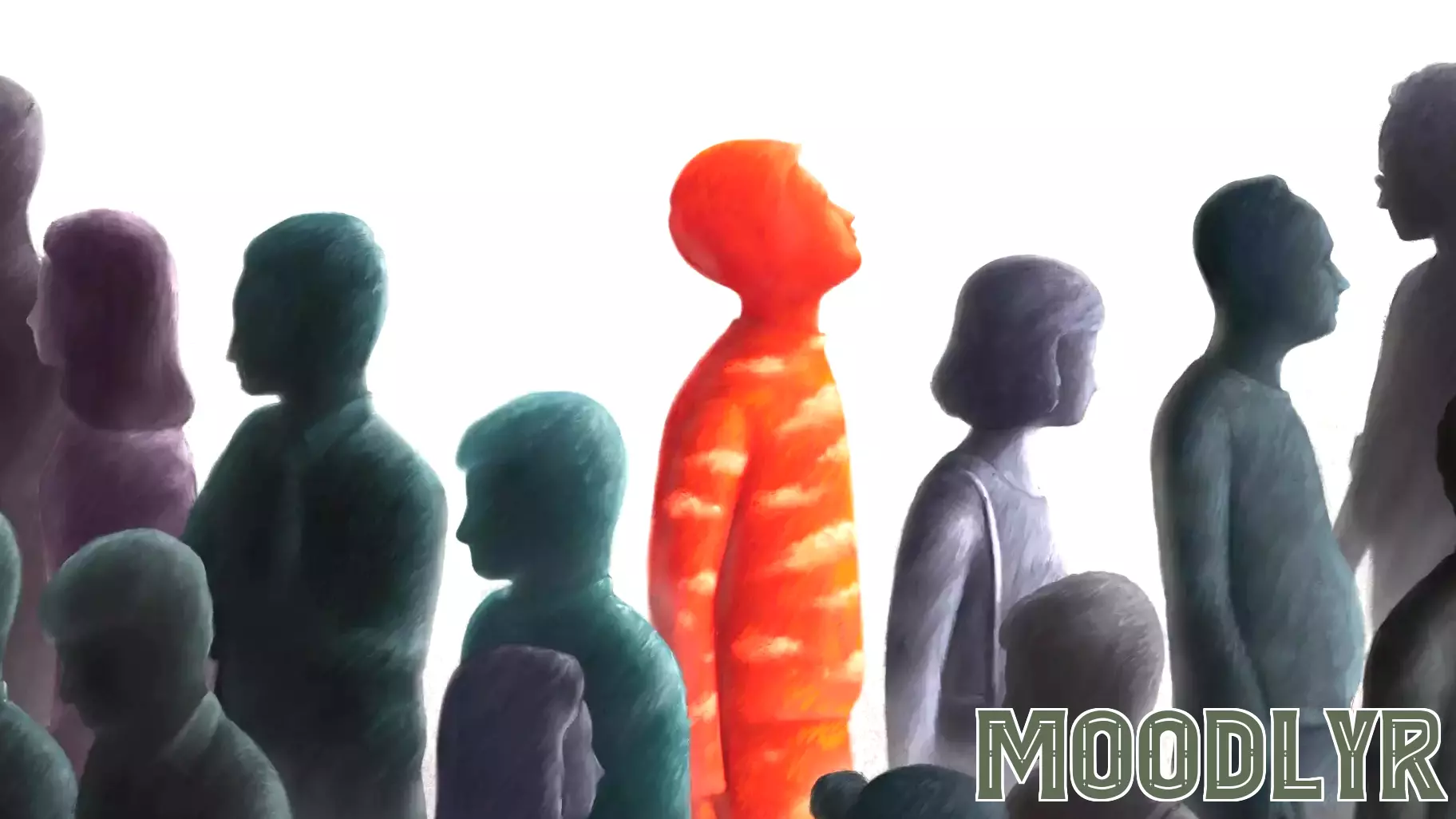
Most people think of intelligence as raw processing power -- the kind measured by IQ tests, the ability to solve logic puzzles quickly or memorize long strings of numbers. But a growing number of psychologists argue that a far rarer and more consequential form of intelligence exists, and it has almost nothing to do with how fast you can calculate.
This rare ability is called integrative intelligence. It is the capacity to see connections between completely unrelated fields, to borrow a concept from biology and apply it to economics, or to recognize that a pattern in music theory might explain something about human relationships. People with high integrative intelligence do not just know a lot about one thing. They actively build bridges between domains that others treat as separate.
One psychologist who studies this trait describes integrative intelligence as the hidden engine behind most major creative breakthroughs. The Wright brothers, for example, combined bicycle mechanics with aerodynamics. Steve Jobs applied calligraphy aesthetics to computer typography. These were not leaps of pure logic. They were acts of synthesis.
What makes integrative intelligence so rare, the psychologist explains, is that modern education and work culture actively discourage it. Schools reward specialization. Job markets demand narrow expertise. Social media feeds reinforce echo chambers. Over time, people lose the habit of looking outside their own field for answers. The result is a world full of experts who know everything about their silo and almost nothing about anything else.
The psychologist warns that this trend is accelerating. As knowledge expands, people feel pressure to go deeper into narrower topics. But the most valuable problems -- climate change, political polarization, public health -- do not fit inside one discipline. They demand integrative thinking.
The good news is that integrative intelligence can be cultivated. Reading across fields, having conversations with people in different professions, and deliberately asking "what does this remind me of?" can rebuild the mental muscle. But it takes intention. In a culture that rewards depth over breadth, staying broad is an act of resistance.
MORE NEWS
August 11, 2026 - 03:28
Are You Super Stressed Out? A Psychologist Says You Should Try This.When daily pressure starts to pile up, the usual advice is to take a break, breathe deeply, or step away from the screen. But one psychologist suggests a different approach: turn outward instead of...

August 10, 2026 - 12:47
Psychology says downplaying your birthday is a sign of quiet confidence because it means your sense of worth doesn't need an annual vote of confidence from everyone you knowPsychologists are taking a fresh look at the people who let their birthday pass without a post, a party, or a reminder to friends. The emerging view is that downplaying the day is not shyness or...

August 9, 2026 - 19:51
Psychology says people who quietly leave family group chats, mute old friends, and stop replying to acquaintances aren't withdrawing from life, they're finally protecting the small amount of attention they have left for the people who actually reach backPsychologists are noticing a shift in how some people manage their social circles, and it often looks like a quiet exit. It is the person who leaves the family group chat without a word, mutes the...

August 9, 2026 - 01:27
Maybe You're Not Breaking Down. Maybe You're MoltingThere is a moment in the life of a bird when the old feathers stop serving their purpose. They are frayed, worn, and heavy with the dust of past flights. The bird does not panic. It does not call...