Tucker Carlson Expresses Regret Over Past Trump Support, Sparking Analysis from Psychology and Body Language Experts
April 27, 2026 - 03:00
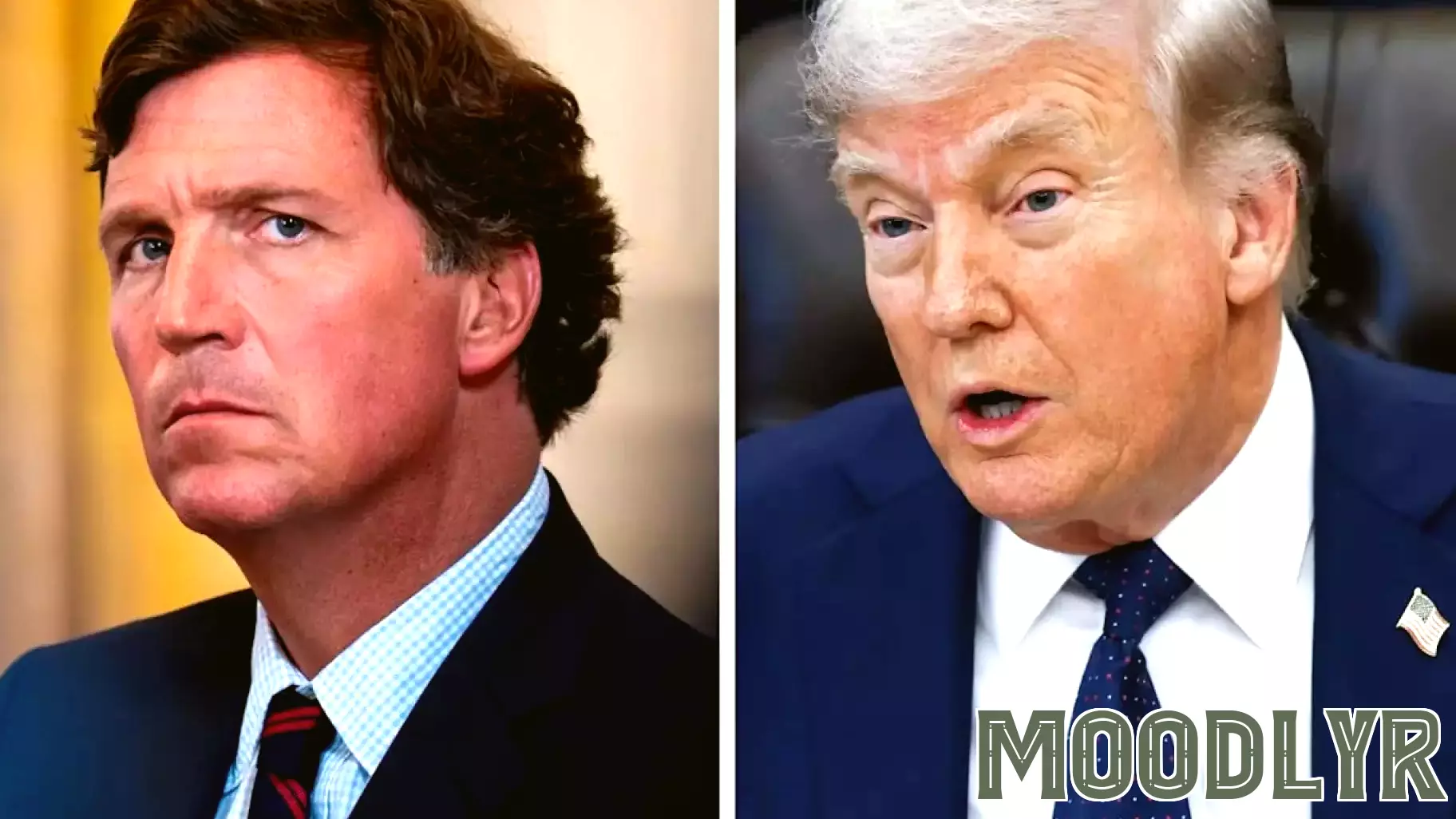
In a surprising turn of events, former Fox News host Tucker Carlson has publicly apologized for his previous support of former President Donald Trump, a move that has drawn immediate scrutiny from experts in psychology and nonverbal communication. During a recent broadcast, Carlson addressed his audience directly, stating, “I want to say I’m sorry for misleading people. It was not intentional.” The admission marks a significant departure from years of fervent pro-Trump commentary that helped define his primetime show.
Psychological analysts suggest the apology may reflect a complex internal reckoning. Dr. Elena Marchetti, a clinical psychologist specializing in media influence, notes that public figures often experience cognitive dissonance when their past actions conflict with evolving personal beliefs. “An apology of this magnitude, especially from someone who built a brand on unwavering political alignment, suggests a genuine shift in perspective or a calculated attempt to rebrand,” she explains. The timing, coming after Trump’s legal battles and the 2024 election cycle, raises questions about whether Carlson is seeking to distance himself from a fading political era.
Body language experts have also weighed in, analyzing Carlson’s demeanor during the apology. According to nonverbal communication specialist James Whitfield, Carlson’s lowered gaze, frequent pauses, and hand gestures that seemed to emphasize sincerity indicate a person attempting to convey authenticity. However, Whitfield cautions that such signals can be rehearsed. “When someone says ‘it was not intentional,’ the micro-expressions around the mouth and eyes often reveal whether they are truly remorseful or merely performing regret,” he observes. The apology has sparked debate among viewers, with some praising his honesty while others dismiss it as a strategic move. Regardless of intent, the statement has reignited conversations about accountability in political media.
MORE NEWS

July 25, 2026 - 17:47
Rethinking Mental Health: From Self-Care to Systemic Solutions in the WorkplaceAcross various industries, including law, medicine, construction, and aviation, there is a noticeable shift in how mental health is approached. Rather than solely focusing on individual self-care...
July 24, 2026 - 09:20
The psychological power of naming legislation after victimsLawmakers have long used the names of tragedy victims to brand new legislation, from Amber Alerts to the Brady Bill. A recent psychology study now explains why this strategy works so well....

July 23, 2026 - 19:18
Why You Whisper in Empty Churches and Libraries Without ThinkingYou step into a vast, silent library or an empty stone church, and without a second thought, your voice drops to a whisper. It feels automatic, almost involuntary. Many people assume this is just...

July 23, 2026 - 12:29
The Hidden Needs Behind Constant ComplainingPsychology suggests that people who complain all the time are not simply negative by nature. Instead, their complaints often signal deeper unmet needs that remain unspoken. When someone gripes...