Understanding Cognitive States Through Animal Expressions
July 27, 2025 - 02:18
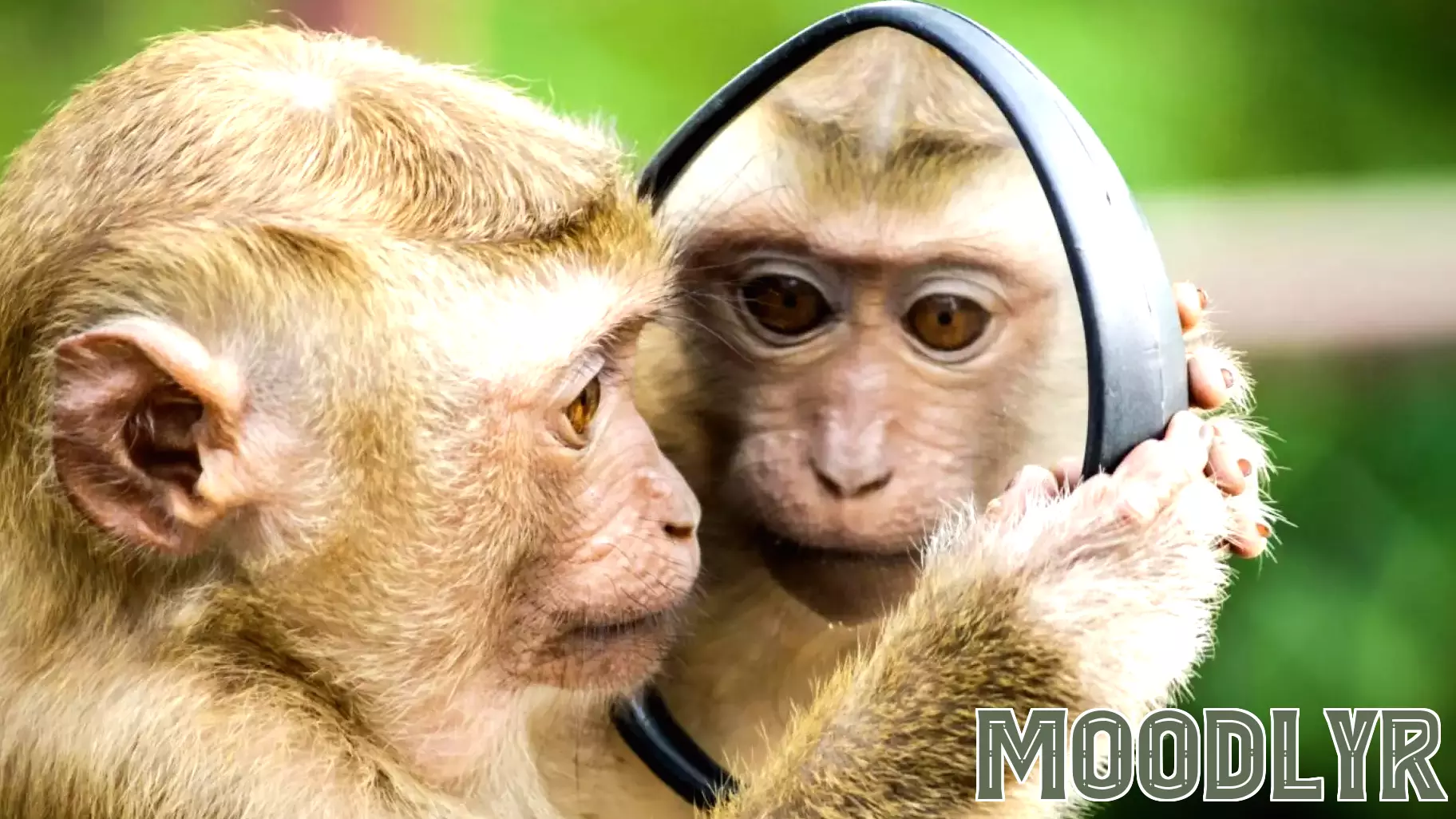
In a groundbreaking study, researchers have successfully trained mice and monkeys to navigate a virtual environment in search of targets, providing new insights into animal cognition. By closely observing the facial expressions of these animals during the foraging tasks, scientists were able to predict their behavior with remarkable accuracy.
The immersive virtual setting allowed the animals to engage in a task that mimicked natural foraging, offering a unique opportunity to analyze how their emotional states influenced their decision-making processes. The study highlights the significant role that non-verbal cues, such as expressions, play in understanding the cognitive states of animals.
This research not only sheds light on the complex emotional lives of mice and monkeys but also opens up new avenues for exploring how various species perceive and interact with their environments. The findings could have broader implications for the fields of animal behavior and cognitive science, enhancing our understanding of the evolutionary roots of cognition across different species.
MORE NEWS

August 20, 2026 - 19:26
Psychology says the kindest people you will ever meet aren't naive or soft — they are often people who have experienced real pain in life and made a conscious choice not to pass it on to othersPsychologists have long observed that the gentlest souls are rarely those who have lived sheltered lives. Instead, the most compassionate individuals are frequently people who have carried...

August 20, 2026 - 09:05
Lindsay Clancy's mental illness led to tragedy, psychologist saysA forensic psychologist called by the defense in the Lindsay Clancy case testified on Tuesday that the mother of three was so severely impaired by mental illness that she did not grasp the...

August 19, 2026 - 20:35
Forensic psychologist describes Clancy's 'mental disease' at time of kids' deathsZeisel detailed the moment Clancy called her then-husband, Patrick, to confess. According to the psychologist, Clancy was not in a state of rational awareness but rather in the grip of a psychotic...

August 19, 2026 - 02:46
A psychologist went to Arctic Norway expecting two months of winter darkness to make people miserable. Instead, she found that many locals had learned to see the polar night as cosy, beautiful, and strangely restorativeMost people assume that two months of near-total darkness would wear anyone down. A psychologist traveled to Arctic Norway with that exact expectation, ready to document the toll the polar night...