UWM Professor Uses Sport Psychology Research to Solve Real-World Problems
February 19, 2026 - 04:05
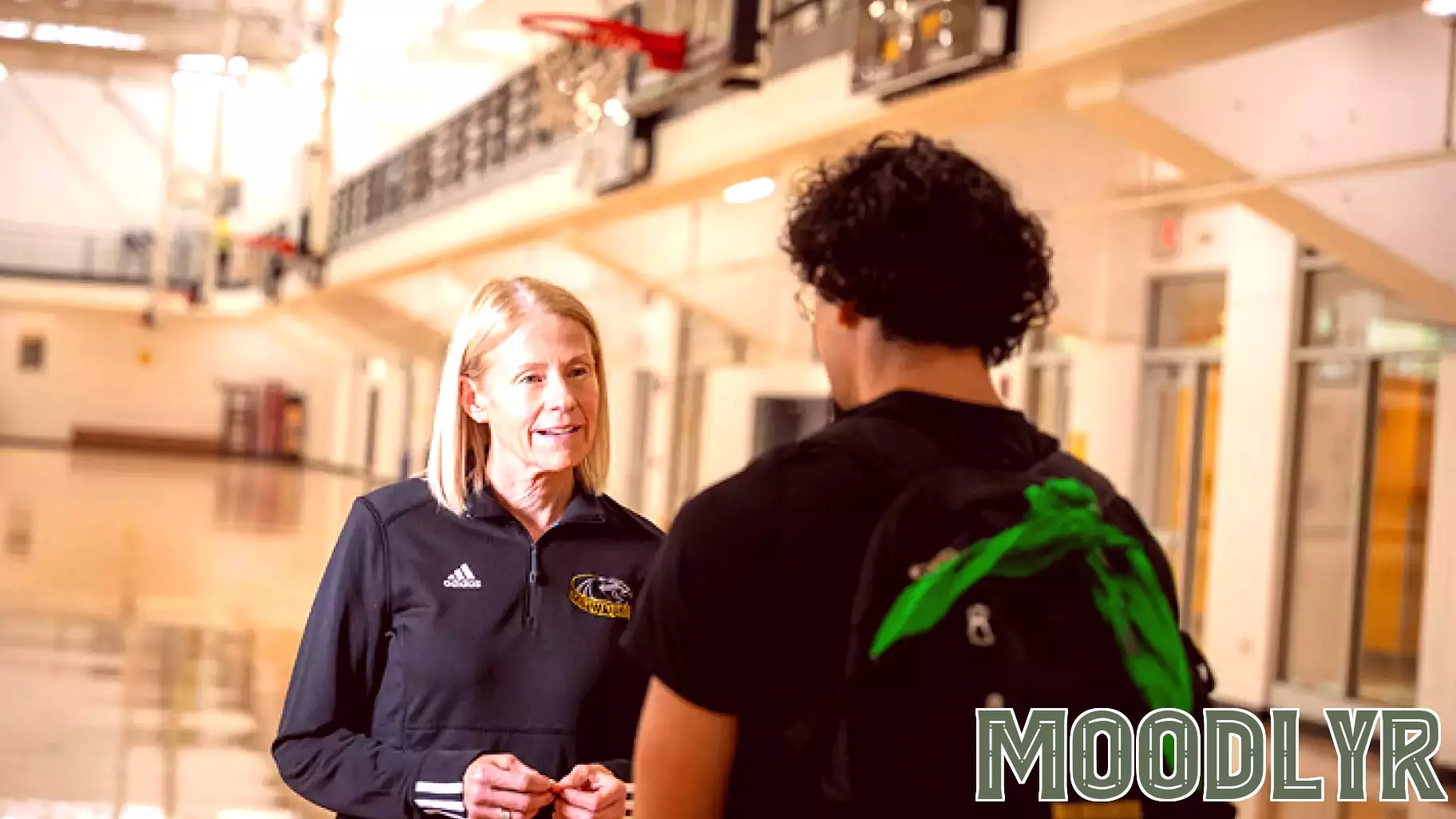
Professor Barbara Meyer possesses a uniquely analytical lens that she applies to nearly every situation. Whether she's guiding Olympic athletes, consulting with a university soccer team, or simply waiting in a grocery checkout line, she instinctively observes and evaluates performance dynamics.
"I’ll be in the checkout line and say to my husband, if the cashier and the bagger set up a system and were planning and communicating together, they could be so much more effective," explained Meyer, a professor of sport and performance psychology at the University of Wisconsin-Milwaukee. Her husband, she notes, has learned to simply nod in agreement.
This constant analysis is the driving force behind her work, which focuses on translating rigorous sport psychology research into practical solutions for real-world challenges. Her expertise extends far beyond traditional athletics. Meyer actively works with high-stress professionals, including surgeons, firefighters, and corporate leaders, teaching them mental skills to enhance focus, resilience, and teamwork under pressure.
Her research delves into critical areas such as optimizing recovery from injury, managing performance anxiety, and building cohesive team communication. By studying the mental frameworks of elite performers, Meyer identifies universal principles that can improve efficiency and outcomes in any field requiring precision and composure. She emphasizes that the core skills of sport psychology—goal setting, self-regulation, and strategic planning—are fundamentally human skills, applicable to anyone striving to improve their performance, regardless of the stage or setting. Her approach demonstrates that the mindset of a champion can be cultivated anywhere, from the operating room to the everyday tasks of daily life.
MORE NEWS

August 19, 2026 - 02:46
A psychologist went to Arctic Norway expecting two months of winter darkness to make people miserable. Instead, she found that many locals had learned to see the polar night as cosy, beautiful, and strangely restorativeMost people assume that two months of near-total darkness would wear anyone down. A psychologist traveled to Arctic Norway with that exact expectation, ready to document the toll the polar night...

August 18, 2026 - 01:54
Psychology suggests charm is less about performing confidence than creating responsiveness — the feeling that someone is listening closely, asking real questions, and treating your life as interestingMost people assume charm is about being smooth, witty, or radiating self-assurance. But psychology points to something far less flashy. Charm, it turns out, is less about performing confidence and...

August 16, 2026 - 20:31
When Your Mother’s Diagnosis Unlocks Your OwnJordan Davis always knew she was different, but she never had a word for it. She was a good student, articulate, and high-achieving, yet she constantly heard the same criticism from teachers and...

August 16, 2026 - 15:48
Psychology says when parents pressure their adult children to visit, something predictable happens — researchers call it reactance, and it makes even the kids who wanted to come start looking for the exitMost parents mean well when they ask their grown children to come home more often. But a steady stream of guilt trips, reminders, and pointed comments about missed holidays can trigger a...