What is the psychology behind the World Cup's penalty shootouts?
July 3, 2026 - 17:34
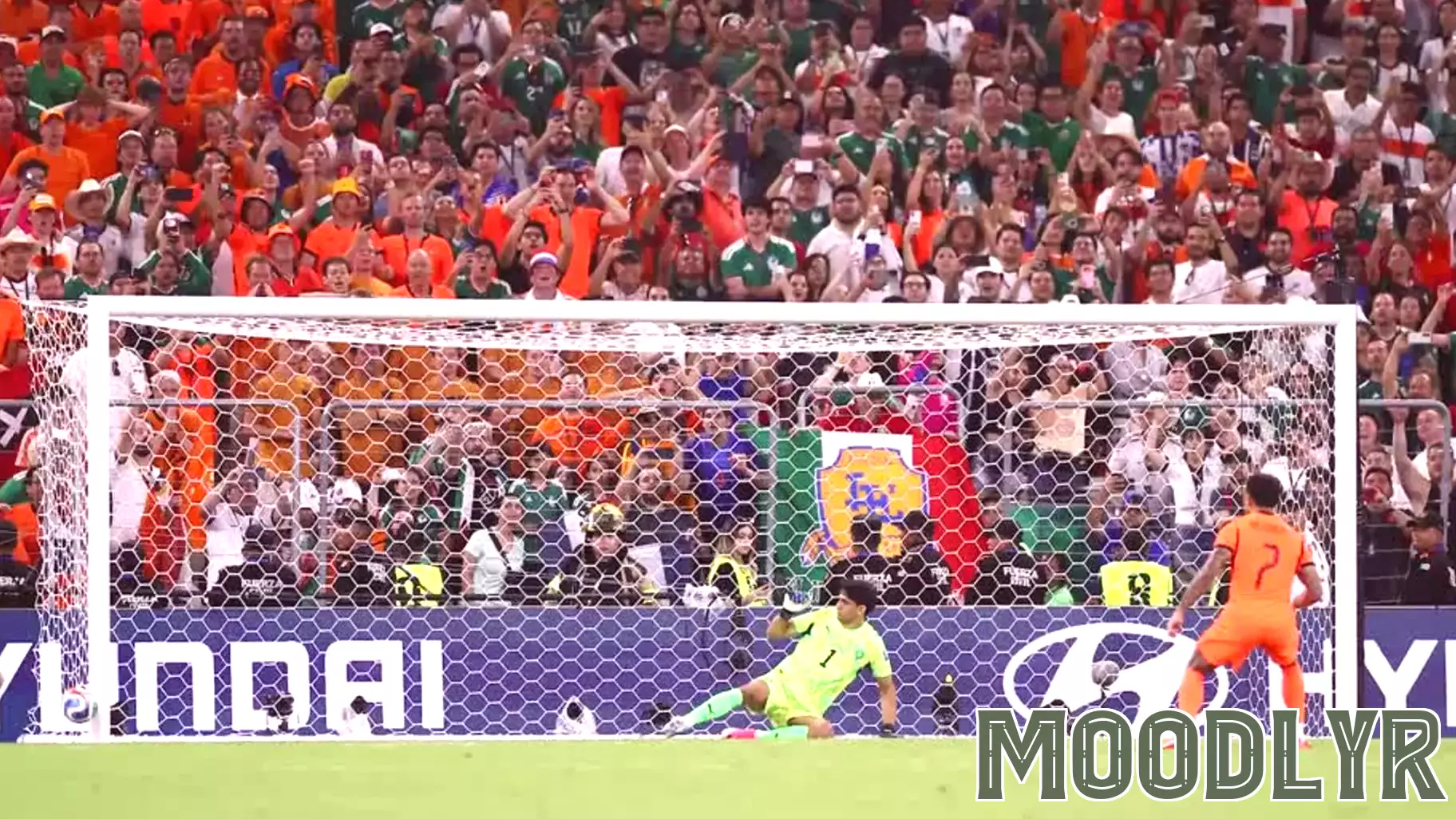
Geir Jordet, a professor at the Norwegian School of Sport Sciences and author of the book "Pressure," has spent years studying the unique psychological battlefield of penalty shootouts. These high-stakes moments have decided some of the most dramatic World Cup matches, turning individual players into instant heroes or villains. According to Jordet, the shootout is less about raw technical skill and more about managing a specific kind of mental pressure that is unlike anything else in sports.
Jordet's research points to several key psychological factors. One is the concept of "choking under pressure," where a player's performance declines precisely because they are trying too hard to control an automatic action. Another is the role of body language and time. He has found that players who take longer to set up their shot, or who avoid eye contact with the goalkeeper, are statistically more likely to miss. The goalkeeper, in turn, uses psychological tactics, like delaying the process or spreading their arms wide to appear larger, to disrupt the shooter's focus.
The shootout also creates a powerful social dynamic. The weight of representing an entire nation, combined with the immediate, binary outcome of success or failure, creates a perfect storm for anxiety. Jordet notes that players who can reframe the situation as an opportunity rather than a threat, and who stick to a simple, pre-rehearsed routine, have a distinct advantage. the penalty shootout is a raw test of psychological resilience, where the ability to quiet the mind in a stadium full of screaming fans often decides the fate of a team's entire World Cup campaign.
MORE NEWS

August 18, 2026 - 01:54
Psychology suggests charm is less about performing confidence than creating responsiveness — the feeling that someone is listening closely, asking real questions, and treating your life as interestingMost people assume charm is about being smooth, witty, or radiating self-assurance. But psychology points to something far less flashy. Charm, it turns out, is less about performing confidence and...

August 16, 2026 - 20:31
When Your Mother’s Diagnosis Unlocks Your OwnJordan Davis always knew she was different, but she never had a word for it. She was a good student, articulate, and high-achieving, yet she constantly heard the same criticism from teachers and...

August 16, 2026 - 15:48
Psychology says when parents pressure their adult children to visit, something predictable happens — researchers call it reactance, and it makes even the kids who wanted to come start looking for the exitMost parents mean well when they ask their grown children to come home more often. But a steady stream of guilt trips, reminders, and pointed comments about missed holidays can trigger a...

August 15, 2026 - 18:55
Moving Beyond Wellness to EmpowermentFor years, workplace and community wellness initiatives have centered on stress reduction, mindfulness, and self-care. While these tools are helpful, a growing number of public health experts argue...